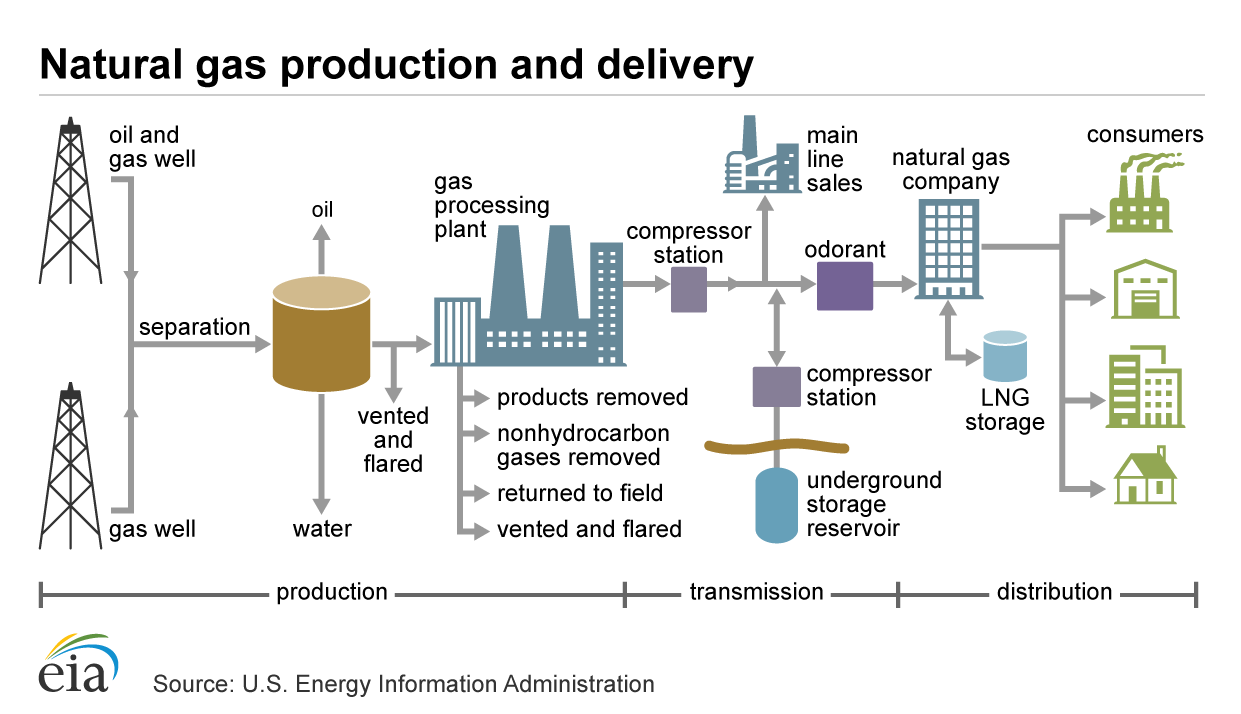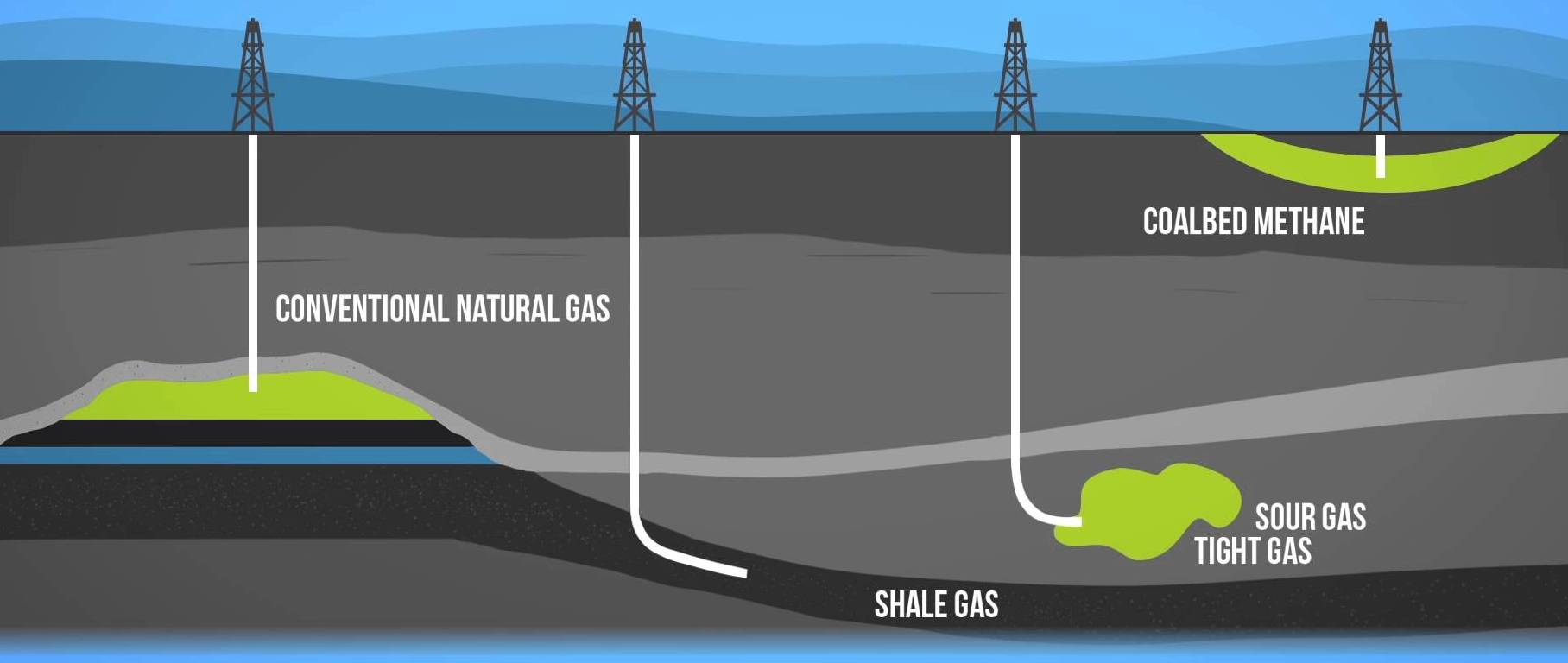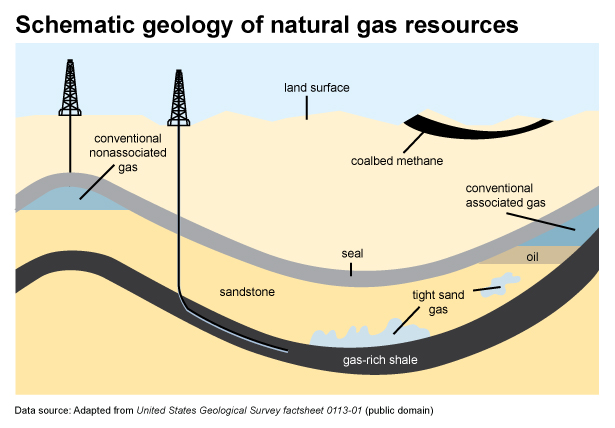
Ever wonder where the gas heating your home, powering your stove, or even helping generate your electricity actually comes from? It's easy to flip a switch or turn a knob, but the journey of natural gas is actually a fascinating tale that spans millions of years! It's not just useful; it's a peek into Earth's ancient history, delivering a powerful and versatile energy source right to our fingertips. Understanding its origin is like embarking on a geological detective story, revealing one of the most important components of our modern energy grid.
Natural gas is incredibly versatile and plays a crucial role in our daily lives. It's a cornerstone of modern comfort, powering everything from residential heating and water heaters to large industrial processes and electricity generation. Many power plants now rely on natural gas because it burns cleaner than other fossil fuels like coal, producing fewer greenhouse gas emissions and air pollutants. It's an efficient, reliable, and relatively abundant energy source, making it a go-to choice for a stable and immediate energy supply for communities and industries worldwide.
So, how does this invisible, often odorless gas form deep beneath our feet? The story begins millions of years ago, in ancient oceans and vast swamps. Picture entire landscapes teeming with tiny marine organisms, lush plants, and algae. When these living things eventually died, their remains settled on the seabed or swampy floors, mixing with mud, silt, and other sediments. Crucially, these environments were often low in oxygen, which prevented the organic material from fully decomposing. Over immense periods – eons, in fact – layers upon layers of new sediment accumulated, burying this organic matter deeper and deeper under immense weight. The tremendous pressure from the overlying layers, combined with the Earth's internal heat, began a slow but profound transformation.
Without the presence of oxygen, bacteria slowly broke down the organic matter, eventually converting it into a waxy substance called kerogen. As temperatures and pressures continued to rise over many more millions of years, this kerogen underwent further complex chemical changes, ultimately breaking down into hydrocarbons – primarily natural gas (and often crude oil). This gas, being lighter, then migrates through permeable rock formations, like tiny pathways, until it hits an impermeable layer of rock, such as shale or dense salt formations. This impermeable layer acts like a cap, trapping the gas in vast underground reservoirs. These reservoirs are often found within porous rocks like sandstone or limestone, which act like sponges, holding the gas within their tiny interconnected pores. To bring this ancient energy to our modern world, engineers drill deep wells, sometimes thousands of feet down, to tap into these hidden pockets of gas, bringing it to the surface where it can be processed and transported.
From microscopic organisms dying millions of years ago to heating your home today, the journey of natural gas is truly mind-boggling. It's a powerful reminder of Earth's incredible geological processes and how we harness these ancient energies to fuel our modern world. Next time you feel the warmth of your furnace or see a gas flame, take a moment to appreciate the epic journey that invisible fuel took to get there!