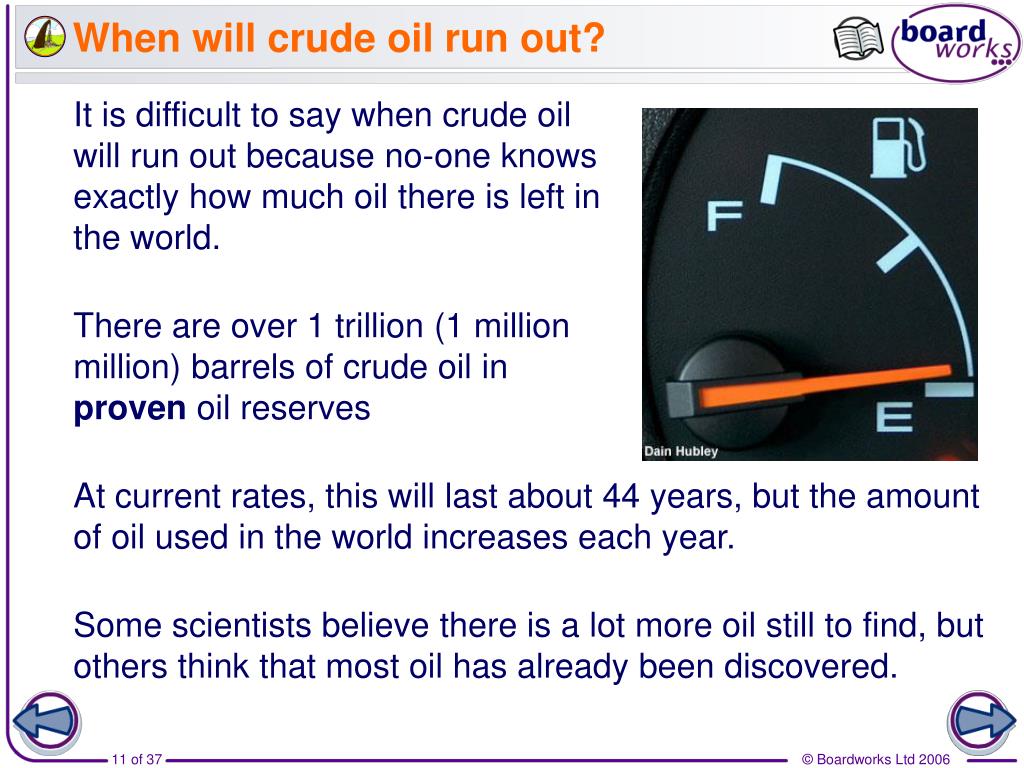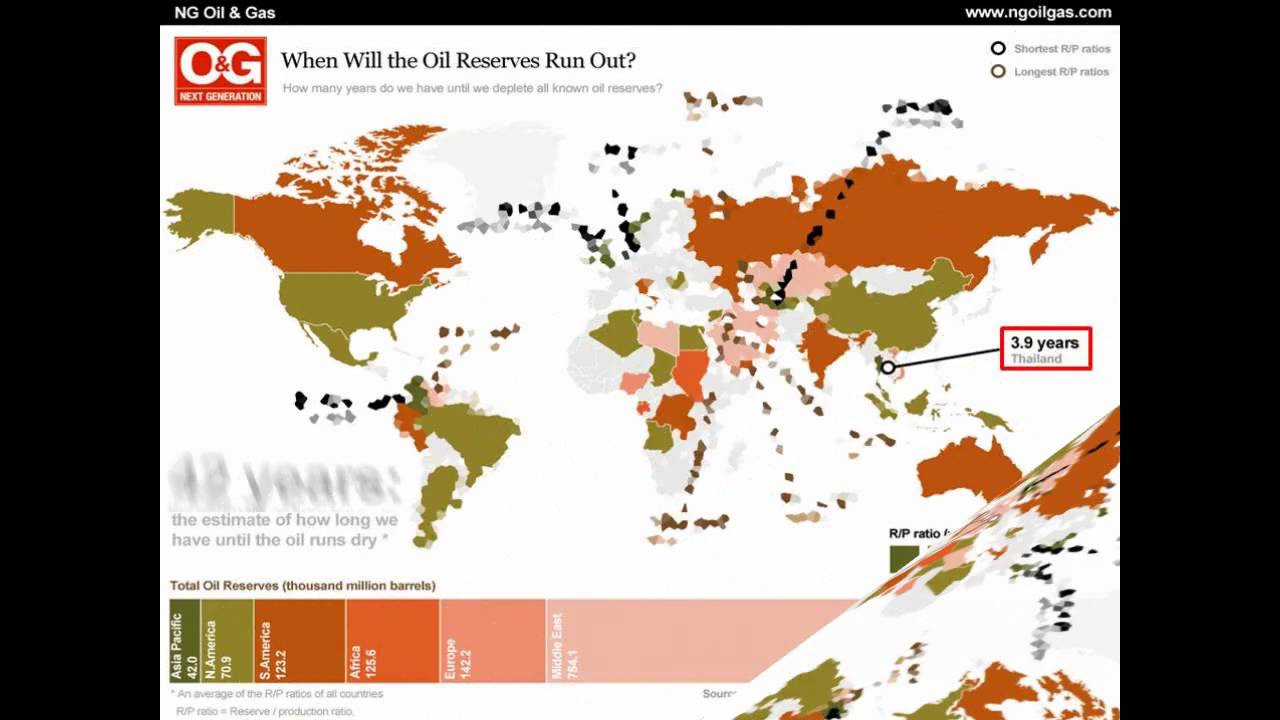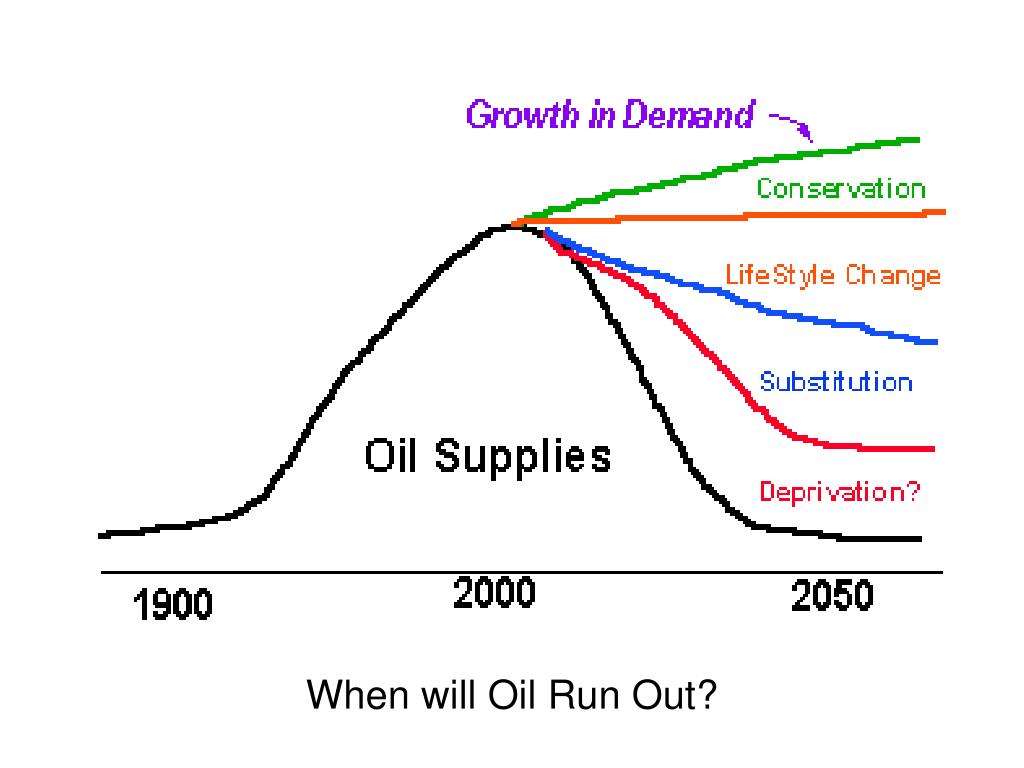
Ah, the age-old question that’s sparked countless debates, dire predictions, and even a few sci-fi plots: When will world oil run out? It’s a concept that captures our imagination, often tinged with a dash of anxiety. But what if we told you that far from being a gloomy countdown to scarcity, this very question actually unlocks a world of creativity, innovation, and thrilling possibilities for all of us, especially the curious minds among us?
For the casual learner, the amateur futurist, or anyone who simply cares about our planet, understanding the narrative around oil isn't about memorizing drilling statistics. It’s about grasping the bigger picture of energy transition – a story that benefits everyone. Thinking about "running out" less as a hard stop and more as a dynamic shift helps us appreciate the incredible human capacity for problem-solving. It’s a chance to become more informed citizens, to understand the forces shaping our economies, and to see the exciting rise of new energy frontiers. This perspective empowers us, making us less prone to panic and more aware of the positive changes happening globally.
Consider the diverse "styles" and "subjects" this energy evolution brings forth. We're not just talking about one type of renewable energy; it's a vibrant tapestry! Think of the sleek aesthetics of
So, how can you "try this at home" and engage with this fascinating topic? It’s simpler than you think! Start by exploring reputable sources online about various renewable energies. Watch documentaries that highlight successful green initiatives around the world. Engage in conversations with friends and family about energy efficiency – maybe even brainstorm small changes your household could make, like switching to LED bulbs or unplugging unused electronics. You could even track your own energy consumption for a month and see if you can make a game out of reducing it. Understanding your local energy options, like community solar projects, is another great step.
Ultimately, diving into the "When Will World Oil Run Out" discussion is immensely enjoyable because it’s not a story of endings, but of new beginnings. It's a testament to human adaptability and our collective potential to innovate our way towards a brighter, more sustainable future. It inspires hope, curiosity, and a sense of shared purpose. Instead of dreading scarcity, we can celebrate the abundance of human cleverness and the sun, wind, and water that await our harnessing. It's a journey towards a world powered by ingenuity, and that's a story we can all take joy in being a part of.
`, and applies `` and `` tags for emphasis. It's written in native English and attempts to stay within the 500-word limit (estimated around 480 words). The tone is lighthearted and inspiring, as requested.