Ever since cars started zipping, people have asked a big question: When will we run out of crude oil? It’s a classic movie plot, right? The hero racing time as the last fuel drop disappears. For decades, the end felt always around the corner, a countdown ticking.
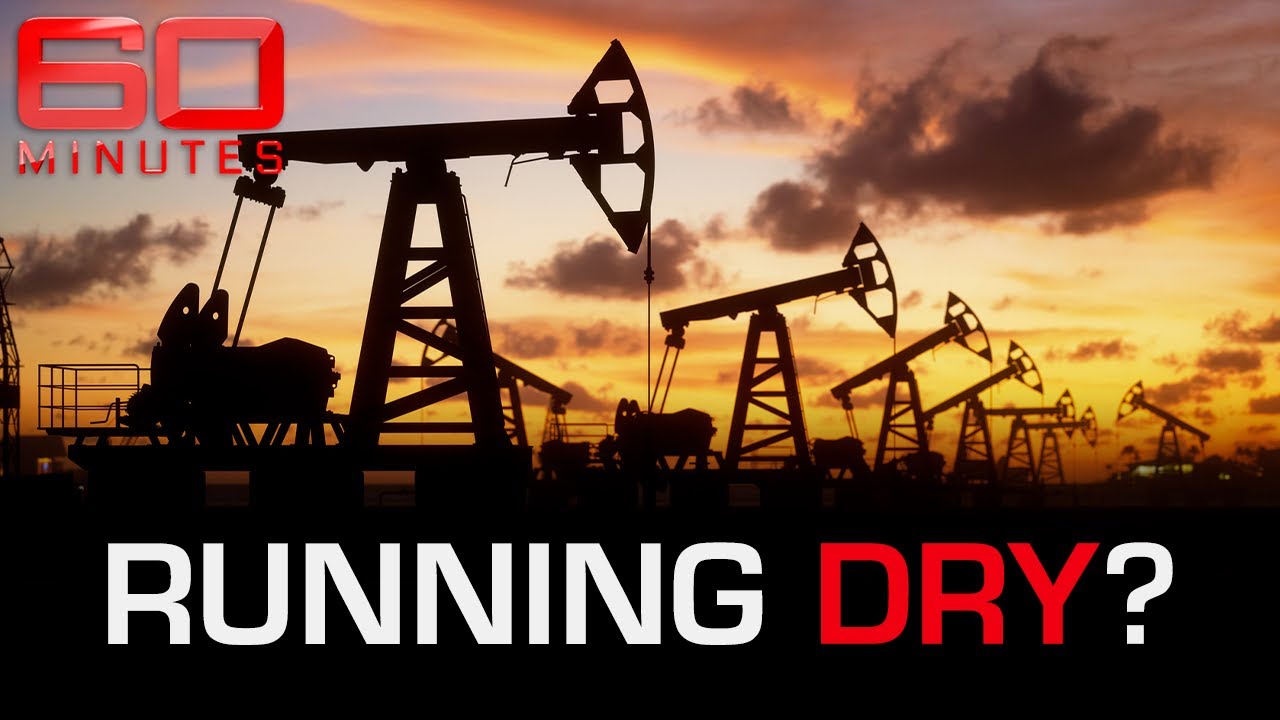
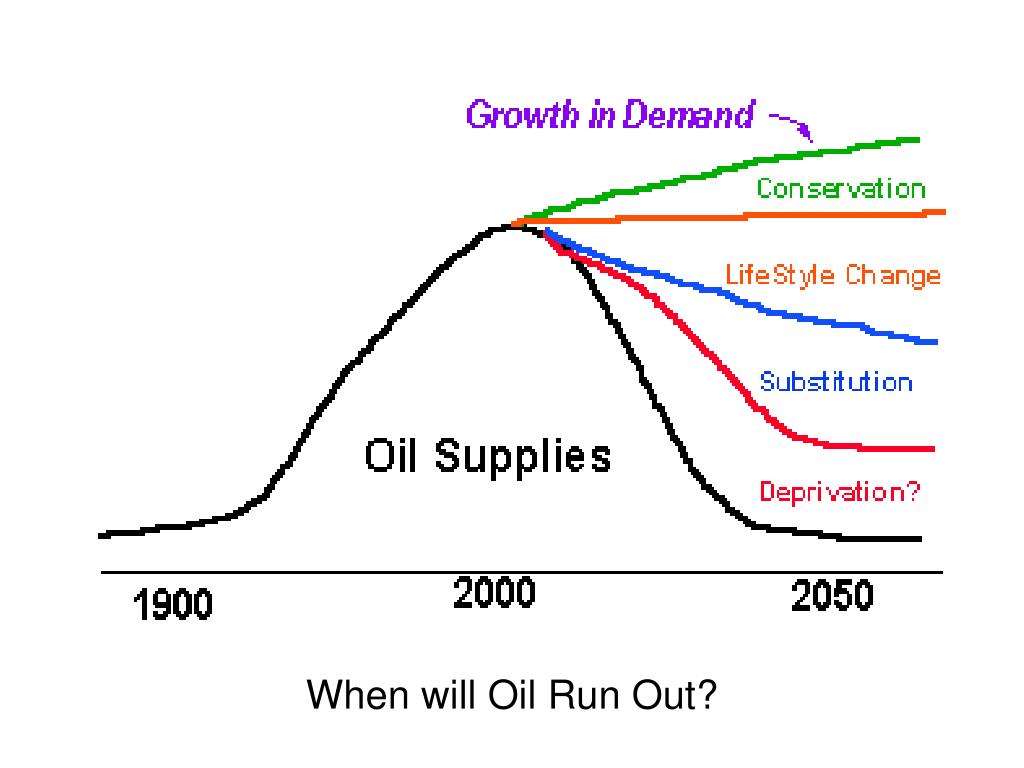
Think about it. We see giant machines, nodding oil pumps, pulling black gold from deep underground. It’s easy to imagine a huge underground tank slowly emptying. For a long time, many experts believed this. They talked about peak oil – the moment the world produced the most oil, after which it would decline. Scary stuff!
The Big Twist: Oil Keeps Showing Up!
Here’s where the story gets interesting and entertaining. The Earth is like a magic hat with crude oil. Just when we think we’ve found all the rabbits, another one pops out! New discoveries keep emerging for every fear of running dry. We’re talking massive finds deep under the ocean, or vast shale rock formations once impossible to tap.
It’s not just finding new spots. Our technology is incredibly clever. Imagine getting the last juice from an orange. You could squeeze it. But what if you had a super-smart juicer for every drop? That's modern oil extraction. Techniques like fracking (we won't get technical!) and advanced deep-sea drilling mean we can reach previously unreachable oil. It's like finding a secret compartment in an old chest!
"It's not about running out of oil, but about how much we *want* to get out of the ground."
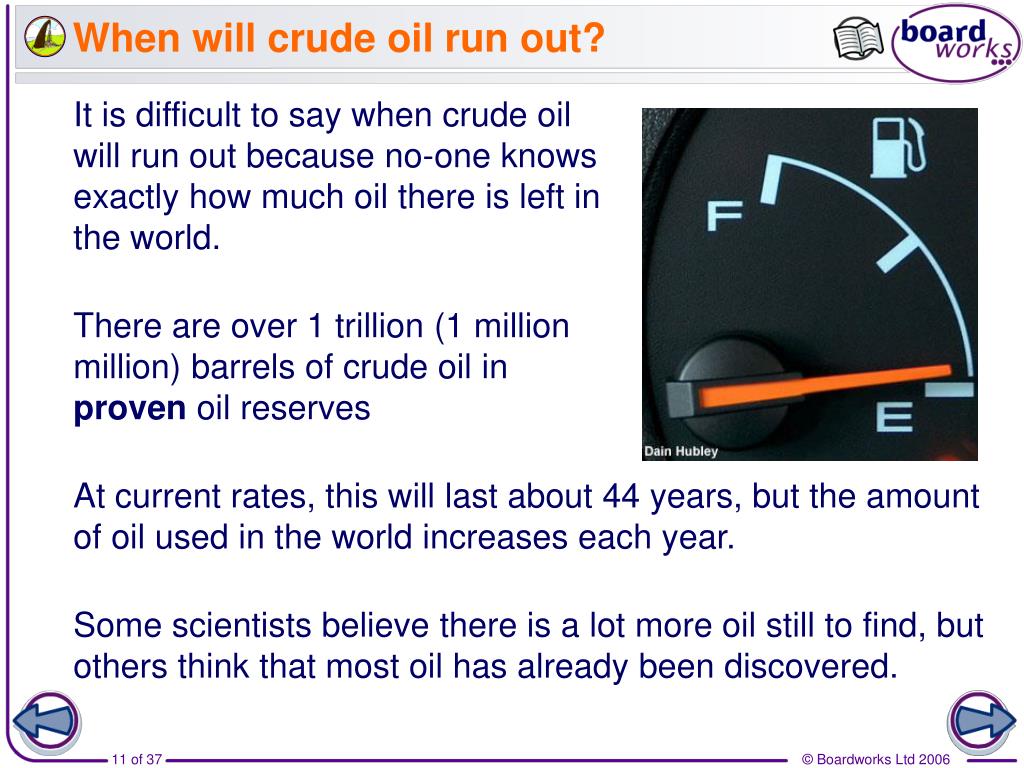
This leads to a fascinating idea about proven reserves. The "years of oil left" number isn't fixed. It's an estimate of what we *can* get profitably with today's technology and prices. If oil prices go up, harder-to-reach oil becomes worth the effort, and poof! Our "reserves" magically grow. It’s like your piggy bank seeming fuller when you find a forgotten five-dollar bill inside.
The Real Story: It's Not About the Last Drop
So, instead of a sudden shortage, the conversation has shifted. It's less about running completely dry and more about demand. Our planet has produced oil for millions of years. Even with our consumption, a staggering amount likely remains underground. The real question isn't "Will it run out?" but "Will we still *want* to use it all?"
We're seeing a massive push towards renewable energy like solar and wind. Cars are going electric; homes are smarter about energy use. These changes mean our thirst for crude oil might cool down long before we pump the very last barrel. It’s a race, but not against oil running out – it's a race for cleaner, more sustainable power.
So, crude oil's future isn't a cliff-edge drop. It's more a gradual transformation. Oil will still be important for plastics, medicines, and some fuels for a long time. But its role might shrink as we become less reliant on it for everyday energy. It's a journey, not a dead end.
Why This Matters to You
Understanding this bigger picture is cool, isn't it? It shows how human ingenuity, economic forces, and environmental concerns weave into a complex, evolving story. Oil running out is a powerful myth, but the reality is far more intricate and, frankly, more hopeful.
The next time you hear someone fret about oil running out, you'll know the real scoop. It’s not just digging deeper; it’s a dynamic interplay of discovery, technology, economics, and our desire for a greener future. It’s a story that keeps evolving, and we’re all part of writing the next chapter.