You know that feeling, right? That little jolt of panic that shoots through you when you look at your phone, and it’s staring back with a glowing red "1%" battery warning? Or maybe it’s when you’re elbow-deep in a recipe, feeling like a culinary genius, only to realize you’re out of the one crucial ingredient. Suddenly, your master plan crumbles.
My latest encounter with the "running out" dread happened just last week. I was cruising along, singing badly to the radio, when the dashboard lit up like a Christmas tree. Not in a good, festive way, mind you. No, it was the dreaded low fuel light, mocking me from the middle of nowhere. Cue the frantic GPS search for the nearest gas station, a good 20 miles away. My heart was practically doing the samba against my ribs. Would I make it?
Spoiler alert: I did. But that brief moment of automotive anxiety got me thinking. If running out of gas for *my* car can cause such a mini-crisis, what about the bigger picture? What about the actual source of that gas?
The Great "Running Out" Debate: Crude Oil Edition
For decades, maybe even centuries, people have been whispering (and sometimes shouting) about the day when crude oil will simply… vanish. Poof! Gone. We’ve all heard the doomsday predictions, right? The gas pumps will run dry, cars will become expensive lawn ornaments, and we'll all be riding unicycles to work. It’s a pretty dramatic image, if you ask me.
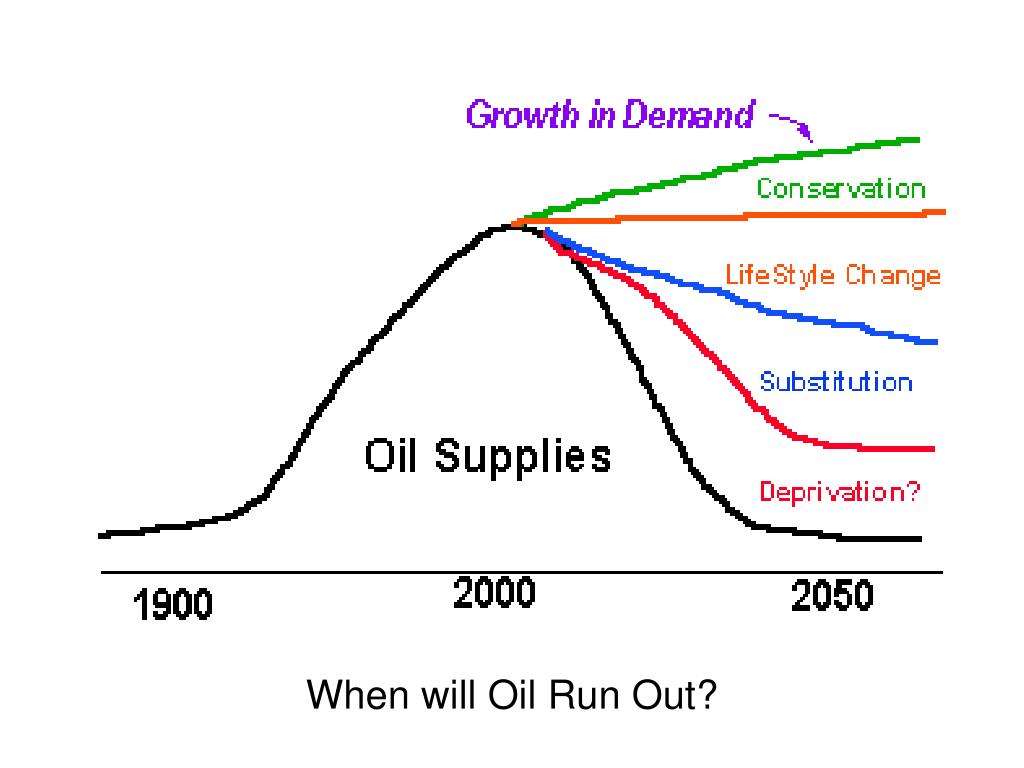
But here’s the thing, and this is where it gets interesting: the date for "peak oil" – the point where we’ve extracted half of the world’s supply and it’s all downhill from there – has been shifting like sand dunes in a desert storm. Back in the 1970s, some experts confidently predicted we’d run out by the year 2000. Guess what? We're well past that, and my car still took me to the gas station last week.
So, what gives? Are we just magically creating more oil, like some kind of geologic alchemy? Not exactly. The answer, my curious friend, is a bit more nuanced than a simple "yes" or "no."
It's Not Just About How Much There Is, But How Much We Can Get
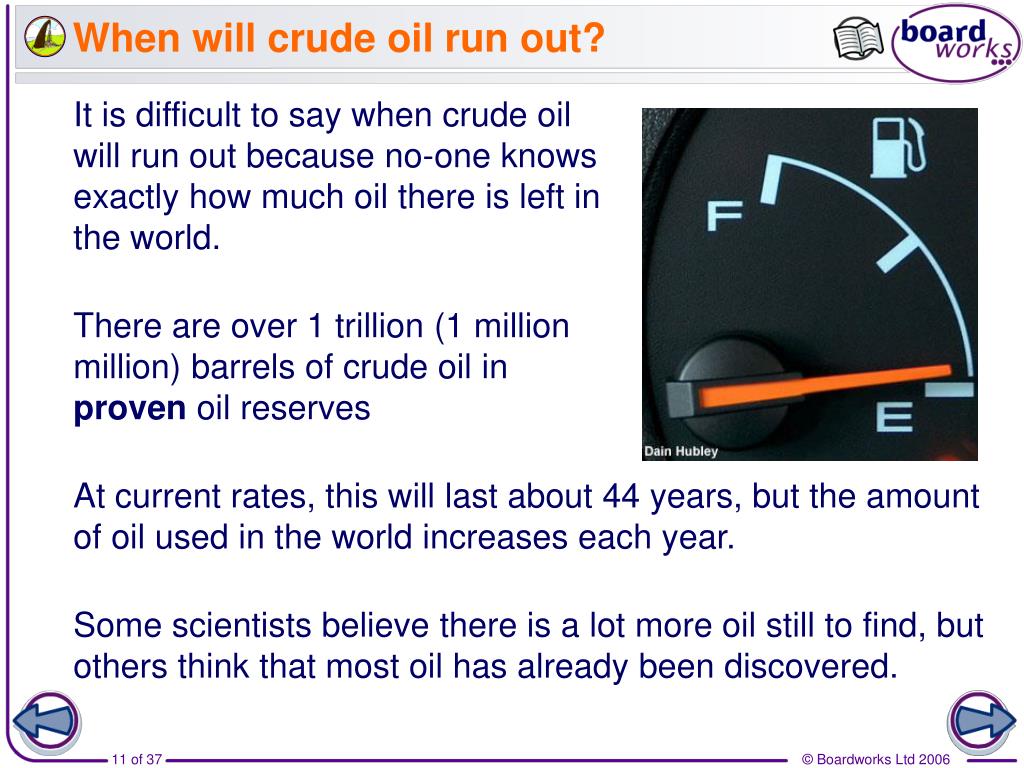
Think of it like this: Imagine you have a giant jar of jelly beans. You can only easily reach the ones at the top, right? Those are your proven reserves – the stuff we know is there and can easily get our hands on with current technology and at a reasonable cost. But there are still a whole lot more jelly beans lurking at the bottom and stuck to the sides that are harder to reach.
This is where human ingenuity (and a healthy dose of economic incentive) comes into play. Technology has been a game-changer. Remember "fracking" or deep-sea drilling? These methods allow us to tap into oil reserves that were previously unreachable or too expensive to extract. Suddenly, the "proven reserves" jar gets a whole lot bigger! It's like someone invented a super-long, bendy spoon for your jelly bean jar.
So, every time we think we're running low, a new technological breakthrough or a fresh discovery in some remote corner of the world seems to pop up, extending the deadline. It's a bit like watching a perpetually renewing Netflix subscription for fossil fuels.
The Real Twist: It's Not "Running Out," It's "Becoming Obsolete"
Here’s the plot twist, and it’s a big one: most experts today agree that crude oil isn't likely to just suddenly disappear from the face of the Earth. The more probable scenario is that we'll stop *needing* it before we completely run out. Mind-blowing, right?
Think about it. The world is shifting. Electric vehicles are becoming more common, renewable energy sources like solar and wind are growing at an incredible pace, and global policies are pushing for a transition away from fossil fuels. We're seeing massive investments in green technology, and the conversation isn't about *if* we'll transition, but *how quickly*.
The demand for oil might peak, not because there's no more left in the ground, but because humanity has found better, cleaner, and ultimately more sustainable alternatives. It’s like when everyone moved from flip phones to smartphones. Flip phones didn't vanish overnight, but their relevance certainly did. The market for them dried up long before the last one was ever manufactured.
So, When Will It "Run Out"?
My guess? And this is just a hunch, fueled by a lot of reading and a dash of optimistic futurism: crude oil probably won't have a definitive "run out" date on the calendar. Instead, its use will likely taper off. It'll become less and less economically viable to extract, less politically desirable to burn, and eventually, less relevant to our daily lives.
We'll probably look back one day and marvel at how reliant we once were on this ancient, sticky black stuff. And by then, my low fuel light anxiety will hopefully be a distant, quirky memory from a bygone era. What do you think? Are we heading for a future where oil is just a historical footnote, rather than a depleted resource?