/GettyImages-533592578-57e681ce3df78c690fb17ca4.jpg)
Ever wonder what happens to your house when you're not around, especially during the chilly winter months? It's more than just closing the door and hoping for the best. Figuring out the right temperature to leave an unoccupied house in winter is a bit of a Goldilocks situation – not too hot, not too cold, but just right. Why should you care? Well, it's all about saving money, preventing costly damage, and ensuring a comfortable return. Let’s dive in and find that perfect temperature sweet spot!
The purpose of setting the temperature in your unoccupied house is twofold: preventing frozen pipes and conserving energy. Frozen pipes can burst, leading to potentially thousands of dollars in water damage. No one wants to come home to a flooded basement! At the same time, cranking up the heat to summer levels while you're gone is a surefire way to inflate your energy bill. So, the key is finding a balance that keeps things safe and affordable.
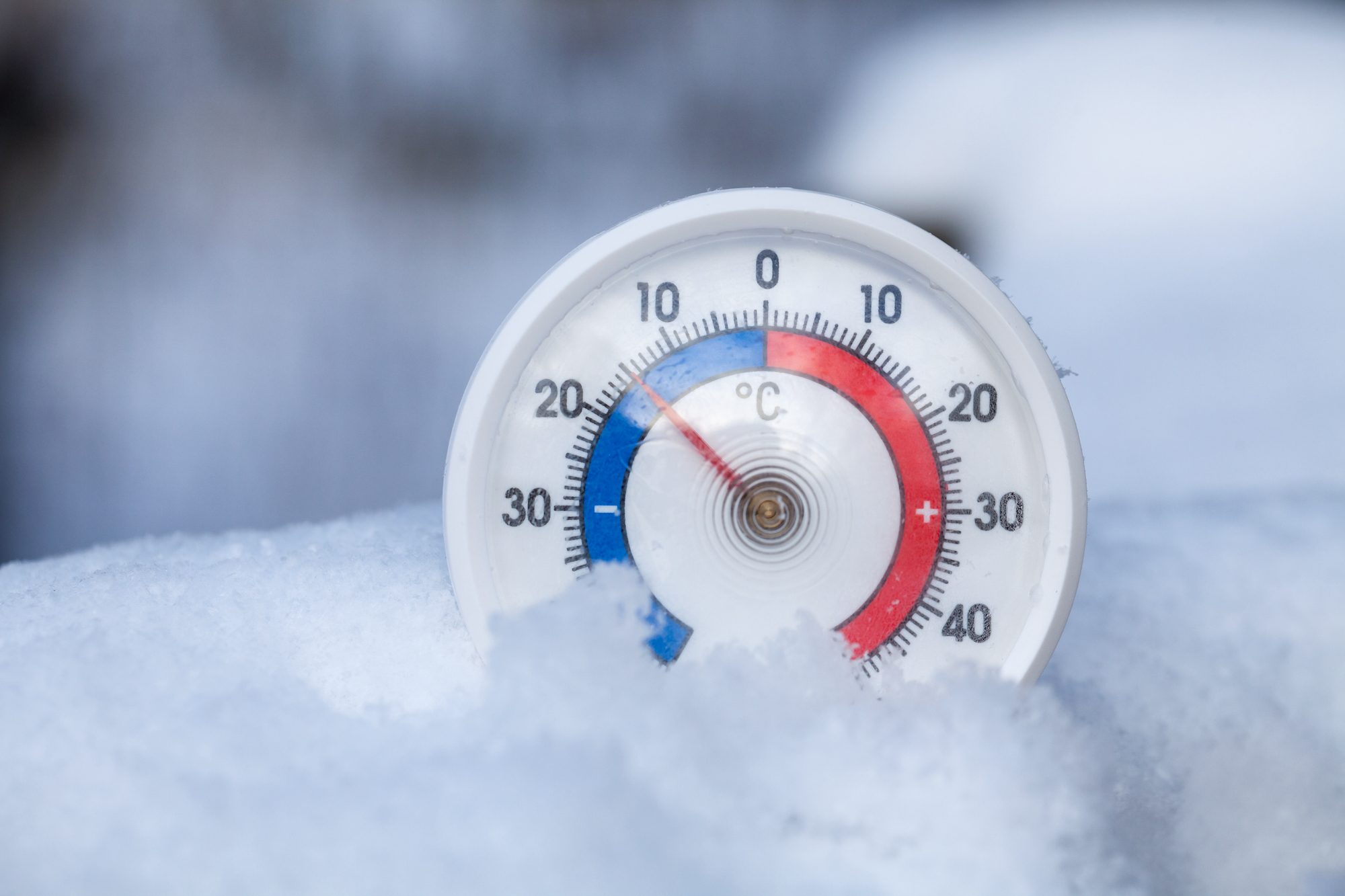
The generally accepted "safe" temperature is around 55 degrees Fahrenheit (13 degrees Celsius). This temperature is typically warm enough to prevent pipes from freezing, even during extended cold snaps. It’s your insurance policy against frozen plumbing.
But why not just turn the heat off completely? That's where the risk of frozen pipes comes in. Water expands when it freezes, and that expansion can exert tremendous pressure on pipes, causing them to crack or burst. Think of it like this: imagine filling a glass bottle completely with water and then freezing it. The bottle will likely break! The same principle applies to your home's plumbing. Keeping the temperature at 55°F provides a buffer against those freezing temperatures.
In terms of daily life, consider a scenario where you’re a "snowbird," escaping the winter blues for a few months in a warmer climate. Setting your thermostat to 55°F before you leave is a crucial step in protecting your home. Or, perhaps you’re just going away for a week-long vacation. The same principle applies. Even a shorter period of vacancy can be enough for temperatures to drop to dangerous levels, especially if you live in an area prone to severe winter weather. Another example could be a rental property between tenants during winter. Maintaining that minimum temperature helps ensure the plumbing is ready for the next occupants.
So, how can you explore this further? Here are a few practical tips:
- Check your local weather forecast: Before you leave, see what temperatures are predicted for your area. If a severe cold snap is expected, you might consider bumping the thermostat up a few degrees.
- Insulate your pipes: Especially in vulnerable areas like unheated basements or crawl spaces. Pipe insulation is relatively inexpensive and easy to install.
- Consider a smart thermostat: These thermostats allow you to monitor and adjust the temperature remotely, giving you peace of mind while you're away. You can even get alerts if the temperature drops below a certain threshold.
- Ask a neighbor to check in: Having someone periodically check on your house can provide an extra layer of security. They can ensure that the heat is still on and that there are no visible signs of problems.
Ultimately, figuring out the right temperature to leave your unoccupied house in winter is a matter of balancing risk and cost. 55°F is a good starting point, but consider your specific circumstances and adjust accordingly. By taking a few simple precautions, you can protect your home from the damaging effects of freezing temperatures and return to a warm and worry-free welcome.