Ever walk into a home and immediately feel… *just right*? Not too hot, not too cold, but that perfect, invisible embrace of comfort. That magical sweet spot – the ideal house temperature – is something we all instinctively seek. But what *is* that perfect number, and how do you achieve it without feeling like you’re running a science experiment (or breaking the bank)? Let’s dive into the cozy world of home climate control.
The Goldilocks Zone: What's "Comfortable"?
Forget a one-size-fits-all rule; finding your home's Goldilocks zone is a journey of discovery. Your ideal temperature isn't just about the number on the thermostat; it's a delicate dance between personal preference, outside weather, humidity, and even what you're wearing. The goal is to feel at ease, not constantly adjusting your layers.
Daytime Digs: Finding Your Active Sweet Spot
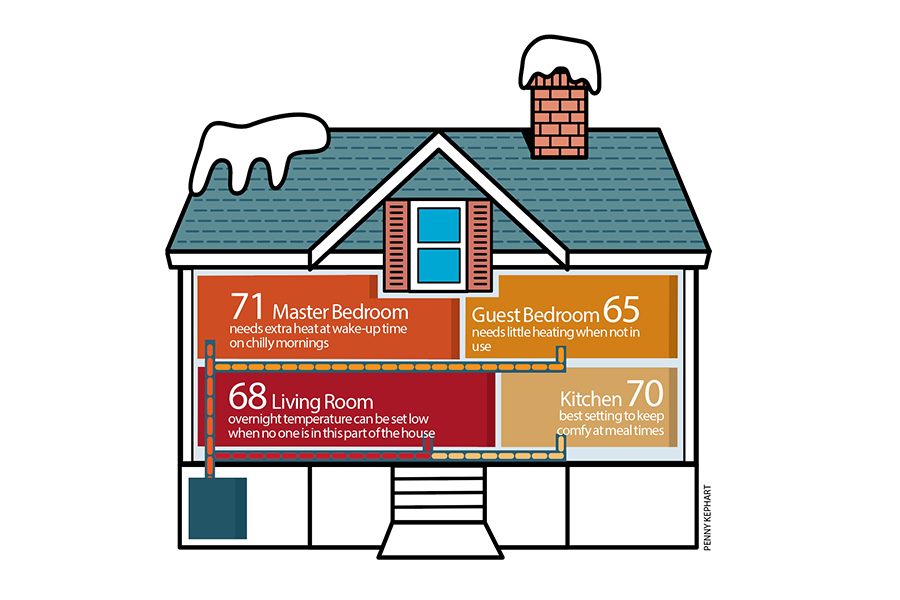
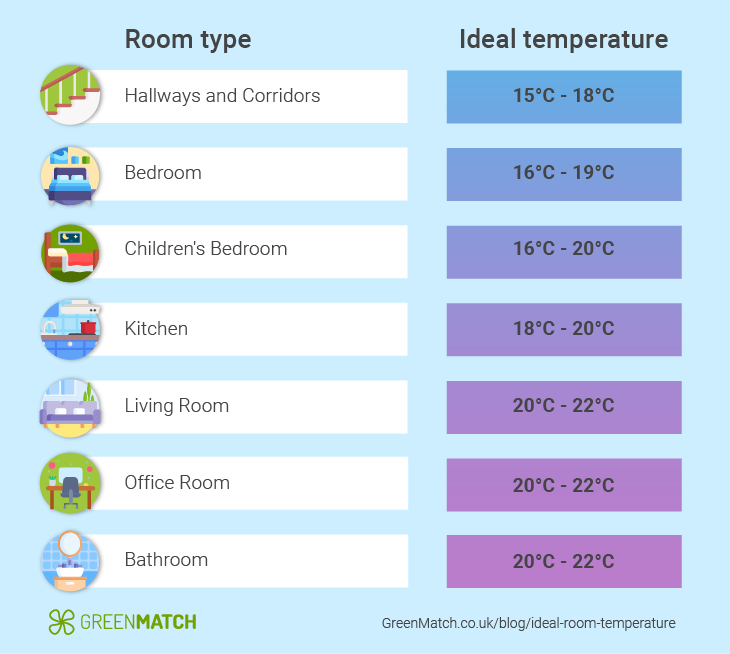
When the mercury dips and the autumn leaves start to crunch, most of us crave a cozy indoor haven. For daytime heating, a common recommendation is anywhere from 68°F to 72°F (20°C to 22°C). This range generally keeps you comfortable without needing a sweater indoors, but also without feeling like you're baking. It's the sweet spot for lounging, working from home, or entertaining guests.
Conversely, when summer sizzles and the sun beats down, that ideal range shifts. For cooling, many find their happy place between 72°F and 78°F (22°C to 26°C). Remember, every degree cooler demands more energy. Setting your AC too low in summer isn't just a drain on your wallet; it can also make the outside heat feel even more oppressive when you finally step out.
Nighttime Nirvana: Sleep Smarter, Not Hotter
Ah, sleep. It's a sacred ritual, and your bedroom temperature plays a huge role in how well you achieve it. Experts largely agree that a cooler sleeping environment is best for quality rest. Think anywhere from 60°F to 67°F (15°C to 19°C). A slightly chilly room helps your body's core temperature drop, which signals to your brain that it's time to snooze. Ever notice how hard it is to sleep in a hot room? That's your body fighting to cool down instead of drifting off.
Your Wallet's Happy Place: The Energy-Saving Angle
Beyond pure comfort, there's the very real consideration of your energy bill. Every degree you adjust your thermostat up or down can have a noticeable impact. A widely cited tip for saving energy is to set your thermostat back 7-10 degrees for 8 hours a day (e.g., when you're at work or sleeping). This simple habit can save you up to 10% on your heating and cooling costs annually. Cha-ching!
Another crucial, yet often overlooked, factor is your home's integrity. Ensure your windows and doors are well-sealed, and check for any drafts. Even small cracks can let precious heated or cooled air escape, making your HVAC system work harder than it needs to. Investing in good insulation or weatherstripping is like giving your thermostat a secret superpower for efficiency.
Beyond the Thermostat: Cultural Quirks & Cool Facts
It's fascinating how different cultures approach indoor temperatures. In some European homes, 68°F might feel positively tropical, while in parts of North America, it's just "comfortable." This often stems from historical building practices, clothing styles, and even typical diet! Fun fact: Did you know that humans are most sensitive to temperature changes between 68°F and 72°F? We're finely tuned creatures, indeed.
Smart Home, Smarter Temp: The Tech Advantage
The good news is that managing your home's climate has never been easier, thanks to smart thermostats. Devices like Nest or Ecobee learn your habits, can be controlled from your phone (hello, adjusting the AC before you even leave work!), and even detect when you're away, adjusting temperatures automatically to save energy. It's all about making your home work smarter, not harder, to achieve that perfect ambiance.
The Bottom Line: It's All About *You*
Ultimately, the "perfect" temperature for your home is deeply personal. It depends on who lives there (babies need warmer, elderly might need warmer), what you're doing (exercising vs. watching TV), and even your metabolism. Don't be afraid to experiment! Find what feels good for you and your household. Your ideal temp isn't static; it should fluctuate with the seasons, your daily rhythm, and even your mood. The key is to create an environment that supports your comfort and wellbeing, without sacrificing your peace of mind (or your budget).
Your Home, Your Sanctuary
So, while there's no universal magic number, the quest for the ideal house temperature is really about creating a space where you feel truly at ease. It’s about more than just numbers on a dial; it’s about crafting a sanctuary, a comfortable backdrop to your daily life. Because at the end of the day, your home should feel like your perfect haven, no matter what the thermometer says.