:max_bytes(150000):strip_icc()/electrical-wire-sizes-1152851-1c278609d8364a7e93e277903520836e.png?strip=all)
Ever tried to plug in your fancy new gadget, only for it to hum like a sad, deflated balloon and then just… poof? Or worse, you hear a suspicious sizzle, and suddenly your wall outlet is giving off a scent usually reserved for burnt toast and mild panic? Chances are, you’ve stumbled upon the delightful, often misunderstood world of electrical wire sizing.
Now, before your eyes glaze over thinking this is going to be some dry, engineering lecture, imagine we’re just chatting over coffee. I’m about to demystify wire sizes, make you laugh, and maybe save your house from becoming an impromptu bonfire. Because when it comes to electricity, ignoring the details can turn your dream smart home into a dimly lit, slightly singed nightmare.
Think of electricity like a really energetic crowd trying to get through a doorway. The wire? That’s the doorway. If you have a tiny little garden gate trying to let through a stampede of concert-goers, things are going to get ugly, fast. People will get stuck, push, shove, and generate a lot of heat. Eventually, the gate might just melt from the sheer pressure. That, my friends, is why wire size matters.
The Nitty-Gritty: Amps and Gauges
First off, let’s talk about the main character in our electrical drama: amperage, often shortened to amps. This is essentially the *volume* of electricity flowing through the wire. Your toaster, your microwave, your super-duper gaming PC – they all demand a certain number of amps to perform their magic. Too few amps, and your microwave just sadly spins a cold Hot Pocket. Too many amps for a tiny wire, and that wire starts to get very, very angry… and hot.
Now for the truly mind-bending part: wire gauge. This is typically measured in something called AWG, or American Wire Gauge. And here’s the kicker, the head-scratcher, the absolute bamboozler: the *smaller* the AWG number, the *bigger* the wire! I know, right? It’s like some ancient electrician designed it just to mess with us. A 10-gauge wire is a big, chunky powerhouse, while a 20-gauge wire is a dainty little thing, perfect for, say, a doorbell or a small lamp, not your electric car charger. It’s like comparing a superhighway (10-gauge) to a winding country lane (20-gauge).
Why Getting it Wrong is a Shocking Idea (Literally!)
So, what happens if you pick the wrong size? Let’s explore the hilarity and horror:
Scenario 1: You picked a wire that’s too small. This is the dangerous one. You’ve essentially put that concert crowd through a garden gate. The electrons are furious! They start bumping into each other, creating friction, which turns into heat. Lots of heat. The wire insulation melts like a forgotten ice cream cone on a summer day. Smoke might appear. Sparks might fly. And just like that, your ambition to run a giant space heater on a lamp cord has turned your living room into a potential fire hazard. Not exactly the cozy vibe you were going for, is it?
Scenario 2: You picked a wire that’s too big. Less dangerous, more… financially regrettable. You’ve used a fire hose to water a potted plant. While safer, it’s ridiculously overkill, expensive, and a pain to work with. Imagine trying to snake a cable as thick as your arm through your walls for a tiny bedside lamp. You’d need biceps of steel and a very forgiving spouse. It’s like buying a tank to pick up groceries – effective, but completely unnecessary and far too pricy.
Scenario 3: Not enough juice! Sometimes, the wire isn't dangerously small, but it's just not quite big enough. This causes a "voltage drop," meaning the electricity arrives at your appliance feeling a bit tired and weak. Your power tools might run sluggishly, your heater might not get as hot, or your fancy entertainment system might just… underperform. It’s like your favorite band playing an amazing gig, but the sound system makes them sound like they're performing through a tin can and string.
The Holy Trinity of Wire Sizing
Alright, so how do you become the Gandalf of electrical sizing? You need to consider three main things:
1. Amperage (Amps): This is king. Always check your appliance’s label or manual. It will usually tell you how many amps it draws, or sometimes the wattage (watts). If it’s watts, just divide watts by volts (usually 120V in North America) to get your amps. So, a 1200-watt microwave on a 120V circuit needs 10 amps. Easy peasy!
2. Distance: This is a sneaky little factor! The longer the wire run, the more resistance it encounters, and the more that voltage can "drop." For really long runs, you might need to go up one wire size to compensate and make sure your electrons arrive with all their pep. Imagine running a marathon versus a sprint – the marathon runners need more sustenance!
3. Voltage: While amps dictate the wire size, voltage is important context. Most standard home outlets are 120 volts. But big appliances like electric ovens, dryers, and central AC units often run on 240 volts. A 240V appliance drawing 20 amps will use a different wire size than a 120V appliance drawing 20 amps. It’s about the total power being delivered, and higher voltage generally means less current (amps) for the same power.
So, How Do I Actually Figure This Out?
You don't need to be an electrical engineer, just a smart cookie:
1. Check the appliance: What are its electrical requirements? Amps are usually listed. If not, wattage. If you see something like "15A," that means 15 amps.
2. Check the circuit breaker: What's the rating of the circuit you're plugging into? Most standard outlets are on 15-amp or 20-amp circuits. Your wire size must always be rated for at least the circuit breaker's amperage. In fact, it's safer to have the wire rated for slightly more.
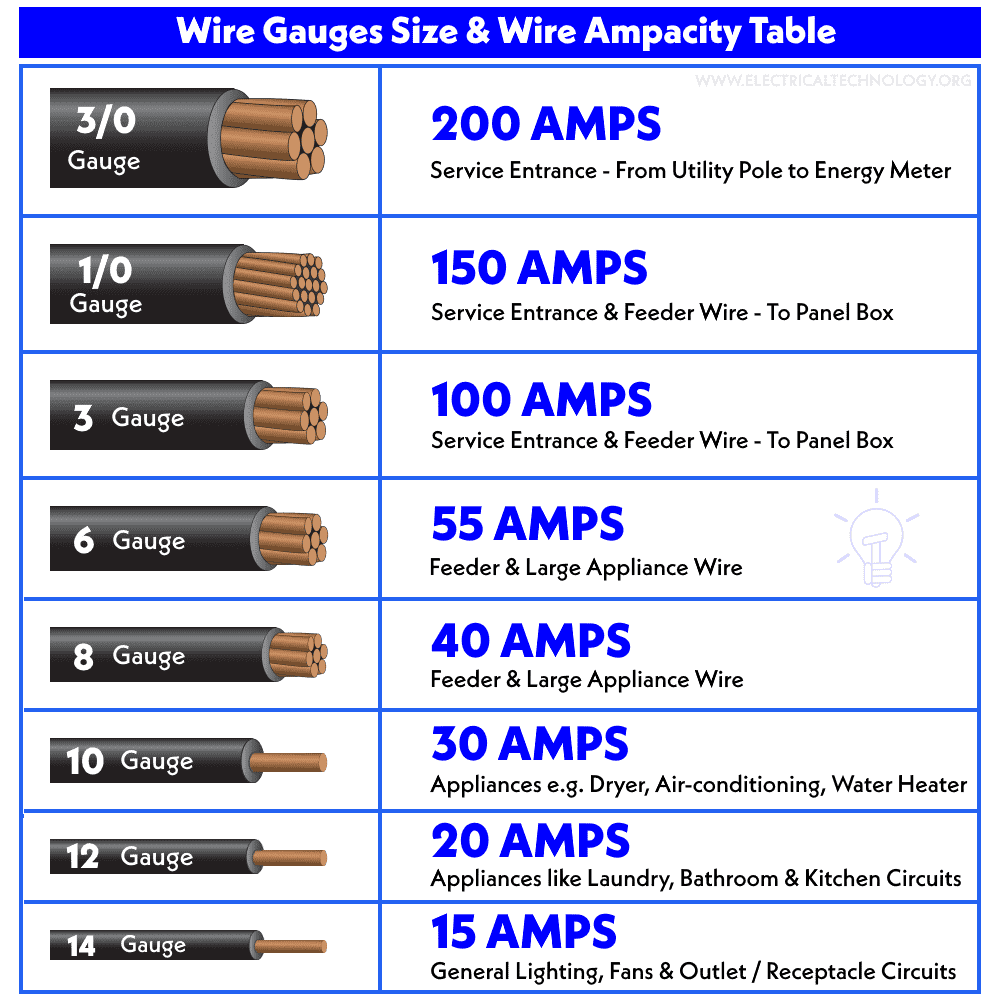
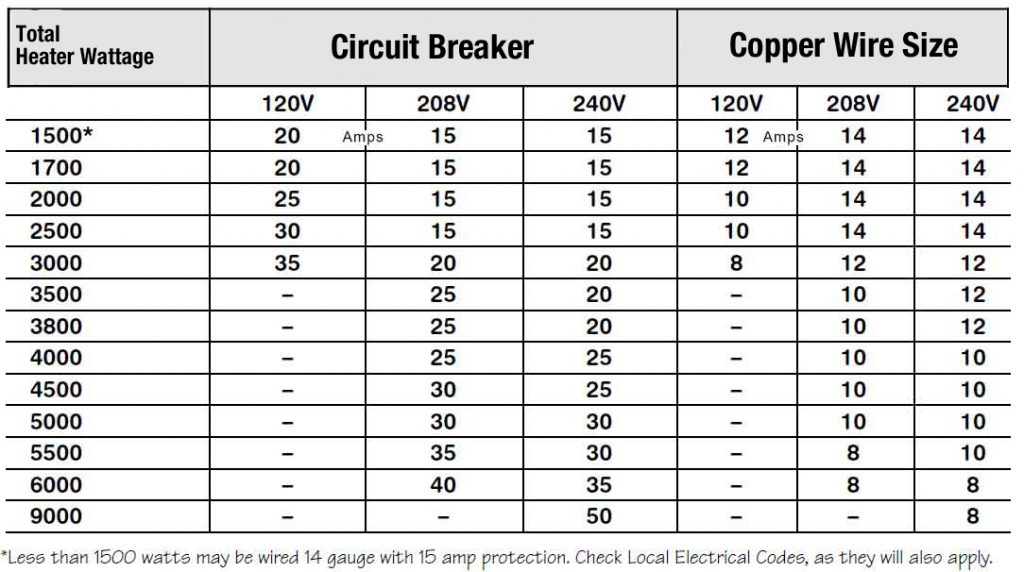
3. Consult a chart: There are handy, easy-to-read wire gauge charts online (just Google "wire gauge chart amperage"). These charts will tell you exactly what AWG wire you need for a given amperage. Don’t guess! Seriously, don’t. This isn't charades.
4. When in doubt, go bigger: If you're teetering between two sizes, always opt for the next larger wire size (remember, smaller AWG number means bigger wire!). A slightly oversized wire is safe, just a bit more expensive. A slightly undersized wire is a potential fire hazard. Your wallet might complain, but your house will thank you.
5. Call a pro: For anything beyond swapping out a light fixture or plugging in a new lamp, call a licensed electrician. They’re the real MVPs of electron management and can save you from a shocking experience, both literally and metaphorically. Trying to rewire your entire kitchen on a whim is not a fun weekend project; it's a recipe for disaster.
So there you have it! The secret sauce to not letting your wires get all hot and bothered. With a little common sense and a quick glance at a chart, you can keep your electronics purring, your house standing, and your coffee-chat companion (me!) happy knowing you're now a little bit wiser about the unseen highways of electricity.