Alright, settle in, grab your beverage of choice. We're about to tackle one of life's truly perplexing mysteries, right up there with "Where do all the missing socks go?" and "Why does toast always land butter-side down?" I'm talking, of course, about the age-old conundrum: What size fan do I need for my room?
It sounds simple, doesn't it? Just get a fan! But oh, my sweet summer child, if only it were that easy. I've witnessed the horror stories. Friends with fans so tiny they couldn't stir a feather, bravely battling a heatwave in a room the size of a small aircraft hangar. And then there are the others, the brave souls who bought a fan so gargantuan it felt like a helicopter trying to land in their linen closet. The air pressure alone could rearrange your furniture and possibly blow your cat into the next zip code. We've all been there, squinting at packaging, muttering, "Is this... enough breeze? Or too much hurricane?"
The Mighty Ceiling Fan: Your Room's Personal Wind God
Let's start with the undisputed king of room air circulation: the ceiling fan. These aren't just decorative items to collect dust; they're essential tools in the fight against stagnant air and oppressive heat. But getting the size wrong is like trying to swat a fly with a bazooka, or cool a sauna with a hand fan made of origami.
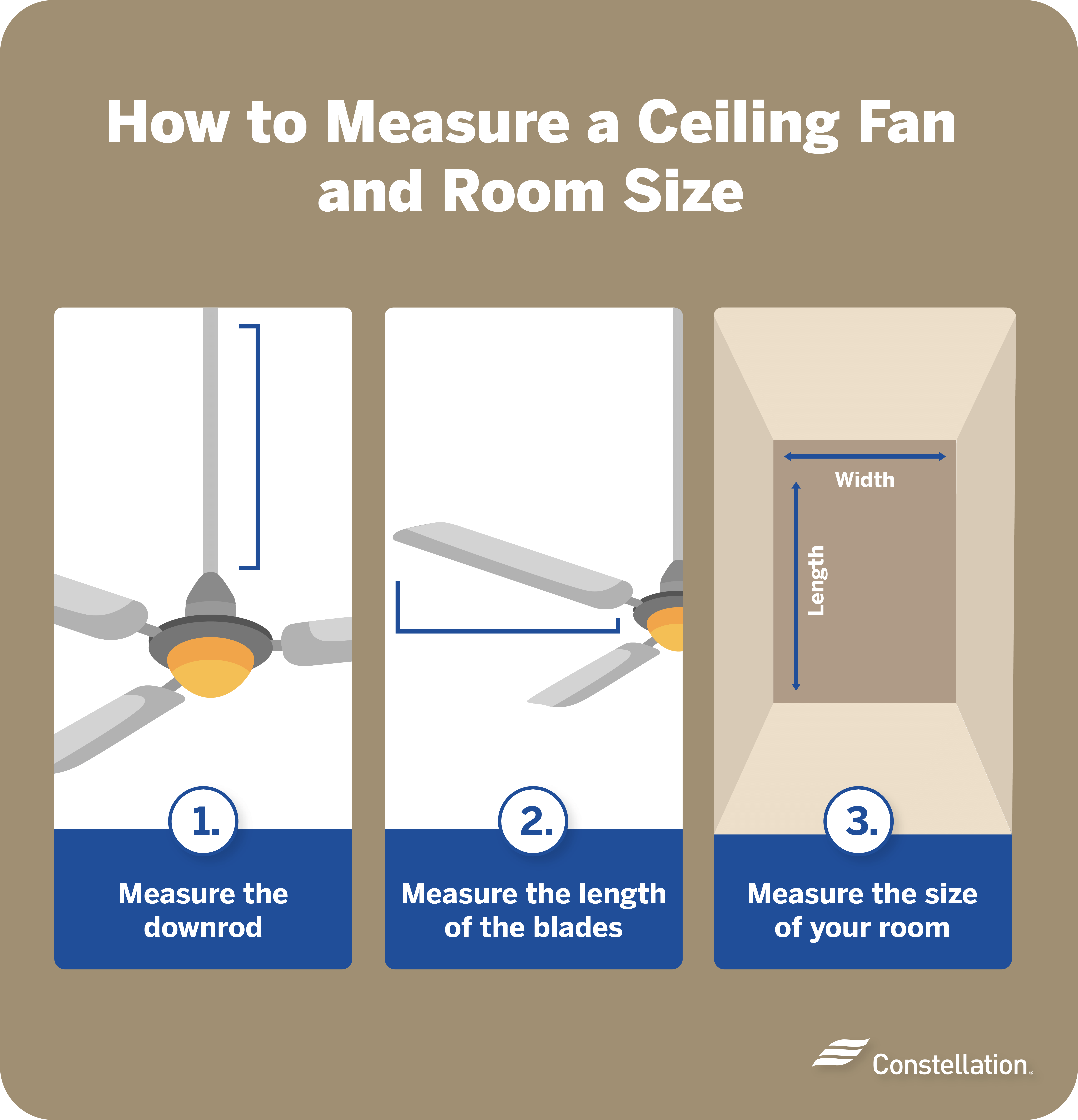
The secret sauce here is the blade span. That's the total diameter from the tip of one blade to the tip of the opposite blade. Think of it like measuring the wingspan of a very chill, slow-moving bird that lives on your ceiling.
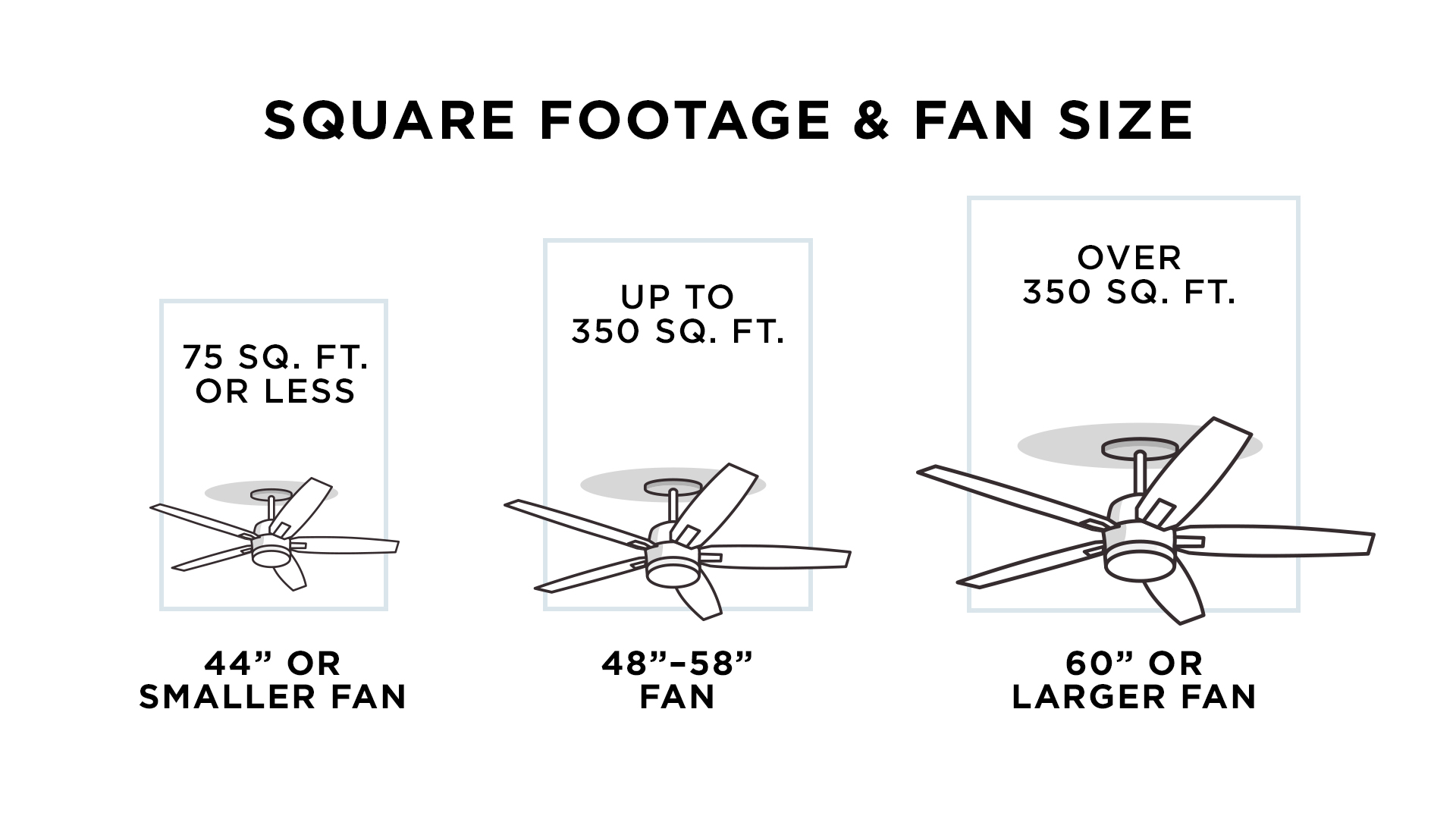
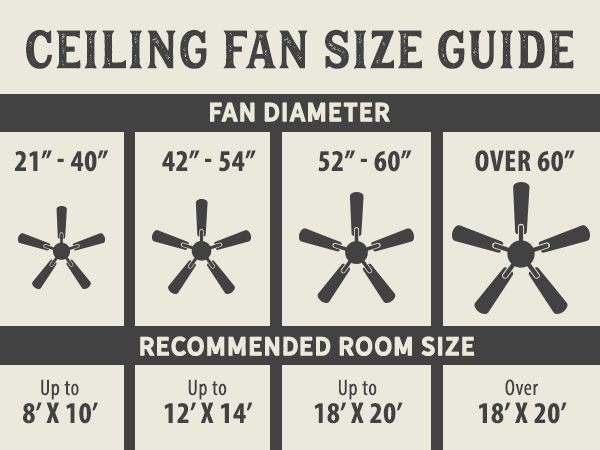
- For a tiny room (we're talking 75 square feet or less, like a small bathroom or walk-in closet where you store your hopes and dreams), you're looking for a fan with a blade span of about 29-36 inches. Any bigger, and you might accidentally achieve lift-off.
- Got a small to medium room (around 76-144 sq ft)? Think bedrooms, home offices, maybe a cozy den. You'll want a fan in the 36-44 inch range. This is your sweet spot for a gentle, yet effective, breeze.
- Now we're moving up to medium to large rooms (145-225 sq ft). Picture your average living room or master bedroom. Here, 48-54 inches is your friend. This size moves a good amount of air without making it feel like you're caught in a wind tunnel.
- And for the truly grand spaces, your large rooms or great rooms (225-400 sq ft and up), you'll need the big guns: 54-72 inches or more. These are the fans that mean business, effortlessly circulating air throughout a substantial area. Anything less, and you'll be wondering if the fan is even turned on, or if it's just a sad, decorative blob.
A fun fact: Did you know ceiling fans don't actually cool the air? They create a wind-chill effect on your skin, making you *feel* cooler. It’s like a magical illusion, but one that actually works!
Beyond the Ceiling: The Portable Powerhouses
What if a ceiling fan isn't an option? Or you need a personal blast of arctic air directed squarely at your face? Enter the portable brigade: box fans, tower fans, and pedestal fans. For these, room size matters less for their *own* dimensions and more for their *power output* (measured in CFM – Cubic Feet per Minute, which sounds very technical but just means how much air it shoves around). It’s not about how big the fan is physically, but how much air it can actually move.
You wouldn't try to cool a gymnasium with a tiny desk fan, would you? (Unless you're a comedian attempting a very niche performance art piece, in which case, carry on!) For most standard rooms, a medium-to-large tower or pedestal fan with a good oscillation feature can work wonders as supplemental cooling or for targeted comfort.
Pro Tip: Place a box fan in an open window, facing out, to pull hot air *out* of a room. Or face it in to pull cooler night air *in*. It's like having your own personal air traffic controller for breezes.
The Surprising Science of Fan Placement
It's not just about size; it's also about placement. A perfectly sized fan can still be useless if it's pointing at a wall. And for ceiling fans, remember to switch directions seasonally! In summer, blades should spin counter-clockwise, pushing air down to create that glorious breeze. In winter, clockwise, gently pulling cool air up and pushing warm air down off the ceiling, helping to redistribute heat. Mind-blowing, right? It's like your fan has a secret superpower!
Don't Overthink It (But Also, Do a Little)
Ultimately, choosing the right fan size is about balancing comfort, efficiency, and not having your hair constantly blown into your eyes. Think about the room's function, its actual square footage, and how much breeze you personally enjoy. Do you want a gentle whisper of air, or do you crave a mini-monsoon? There’s no shame in either!
So, next time you're standing in the fan aisle, don't just blindly pick the prettiest one. Take a moment, remember our little chat, and confidently choose the fan that will make your room feel just right. Your comfort (and possibly your furniture, if you avoided the helicopter fan) will thank you.