Ah, the age-old summer dilemma: You walk into your home, the heat outside practically melting your resolve, and your hand instinctively reaches for the AC remote. But then it hits you: what number should it be set to? Is there a magic setting that offers perfect chill without sending your electricity bill into orbit? Let’s dive into the cool world of AC settings and find your sweet spot.
The Elusive "Perfect" Temperature
First off, let’s bust a myth: there's no single, universally agreed-upon "perfect" AC temperature. What feels like a delightful breeze to one person might be an arctic blast to another. However, many energy experts and HVAC professionals often recommend keeping your thermostat around 78°F (25-26°C) when you're home and awake during the summer months. This temperature strikes a decent balance between comfort and energy efficiency for the average household.
But here’s the thing: you’re not "average." You're you, and your comfort is paramount. So, let's explore the factors that truly influence your ideal setting.
Your Comfort, Your Rules
This is perhaps the most important factor. Our bodies are wonderfully complex. Some people run hotter, some colder. Your ideal setting might depend on what you're wearing, how active you've been, or even what you just ate. Think about it: a crisp 72°F (22°C) might feel amazing after a hot run, but borderline chilly when you're curled up on the couch watching a movie.
Pro tip: Start with the recommended 78°F and adjust by one degree at a time. Live with it for a few hours. Your body will tell you what’s right.
The Humidity Factor: A Silent Killer (of Comfort)
Humidity is often the unsung villain in the summer comfort story. Your AC doesn't just cool the air; it also dehumidifies it. High humidity makes warm air feel much hotter and stickier. Think about a 75°F day in Arizona versus a 75°F day in Florida – vastly different experiences! Your AC removing moisture from the air can make 78°F feel much more pleasant and even cooler than a drier 75°F.
This is why some smart thermostats now display relative humidity levels, giving you a fuller picture of your indoor climate.
When You're Away or Asleep
Setting your AC to a higher temperature when you're not home can save a significant amount of energy. The general recommendation is to set it 7-10 degrees higher than your comfort setting. So, if you like 78°F, consider 85-88°F (29-31°C) when you're out. Your house might warm up, but it takes less energy to cool it back down later than to maintain a low temperature all day.
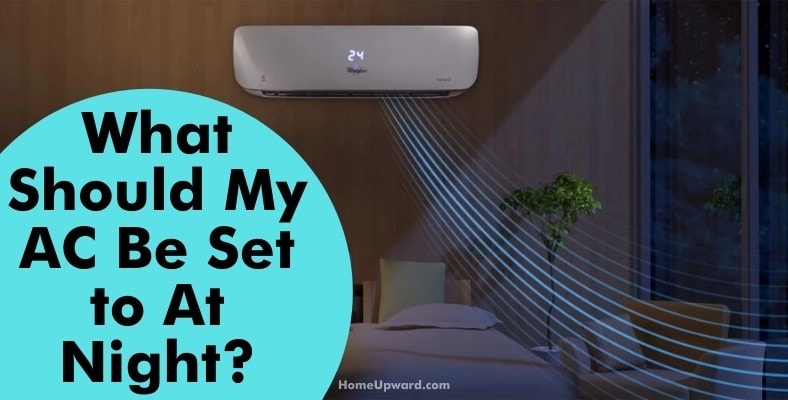
At night, many people prefer a slightly cooler temperature for sleeping, often between 68-72°F (20-22°C). Our body temperatures naturally dip as we sleep, and a cooler environment can promote deeper, more restful slumber. Just be mindful of the morning wake-up; you might want to program it to rise slightly before you do.
Smart Tech and Savvy Habits
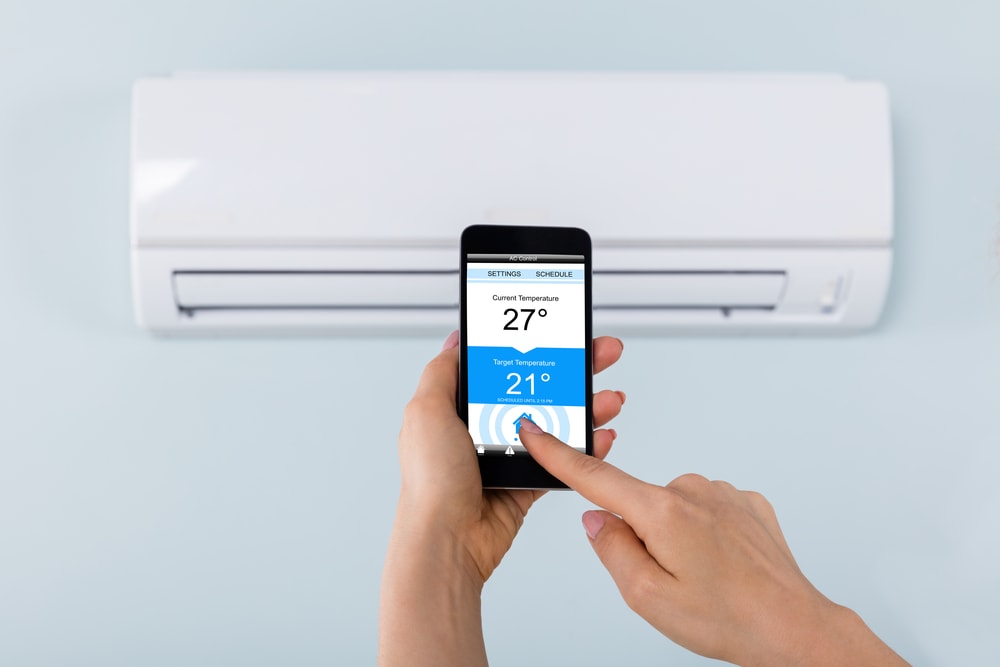
The rise of smart thermostats has been a game-changer. These clever devices learn your preferences, can be controlled remotely via your phone, and even detect when you're not home, adjusting automatically. Investing in one can often pay for itself in energy savings.
Don't underestimate the power of a good old-fashioned ceiling fan! Fans create a wind-chill effect, making you *feel* cooler without actually lowering the room temperature. This means you can often set your AC a few degrees higher and still feel comfortable. Just remember to turn them off when you leave the room; they cool people, not spaces.
Other quick wins include keeping your blinds and curtains closed during the hottest parts of the day to block solar gain, and regularly changing your AC filter. A clogged filter makes your unit work harder and less efficiently.
Cultural Chill Factor
It's fascinating how different cultures approach indoor cooling. In many parts of Southeast Asia, where outdoor temperatures are consistently high and humid, a powerfully cold indoor environment (think 68°F/20°C or even lower) is sometimes seen as a mark of luxury or a necessary escape. Conversely, in places with milder summers, even 75°F (24°C) might feel too cold indoors for some. It truly highlights how much our perception of "comfortable" is shaped by our environment and expectations.
Finding Your Personal Arctic Oasis
Ultimately, setting your AC is less about a rigid number and more about finding that sweet spot where you're comfortable, your home feels great, and you’re not wincing at your monthly utility bill. Experiment, listen to your body, and pay attention to how humidity plays a role. With a little trial and error, you’ll discover your own personal perfect temperature, allowing you to truly relax and enjoy the cool comfort of your home, no matter how much the sun blazes outside.
Because at the end of the day, a comfortable home is a happy home, and that's a feeling we all deserve to embrace.