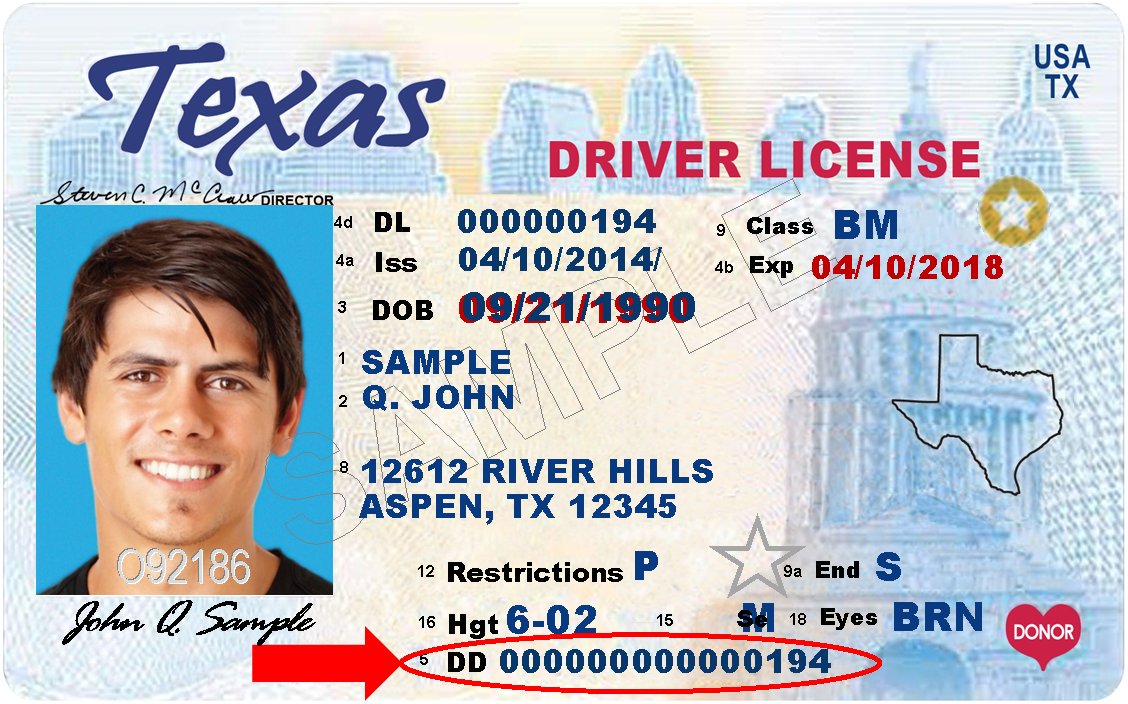
There's a curious question that sometimes floats around, one that seems simple on the surface but holds an unexpected depth: "What Is The Number Of Texas?" At first glance, you might scratch your head, wondering if you missed a memo from the Lone Star State. Is it a population figure? A land area? The number of stars on a very specific flag? But here's the delightful secret: the true magic of this question isn't in finding a literal answer, but in how it ignites our imagination and invites us to explore the vast, untamed frontiers of creativity itself.
This wonderfully open-ended prompt serves as a fantastic springboard for anyone looking to stretch their creative muscles. For artists, hobbyists, and even the casually curious, it offers a liberating escape from the confines of rigid answers. It encourages lateral thinking, pushing us to interpret, to symbolize, and to invent. Instead of searching for an existing number, we're challenged to *define* one. What does "the number of Texas" evoke for you? Is it the sheer scale, the boundless horizon, the multitude of cultures, or perhaps a singular, iconic spirit? The benefit lies in its ability to foster personal interpretation, allowing us to project our own feelings, experiences, and perspectives onto a seemingly abstract concept.
The beauty of this prompt blossoms in its varied applications. Consider the artist: a painter might depict a sprawling landscape punctuated by a single, vast numeral '1' representing its singularity, or an intricate mosaic of countless small symbols, each a "number" of Texas. A writer could craft a short story about a quirky mathematician trying to calculate the immeasurable essence of the state, or a poem exploring the rhythmic "number" in a cowboy's stride. For musicians, it might inspire a sweeping orchestral piece reflecting Texas's grand scale, or a bluesy tune capturing its soulful "number." Even for the casual learner, it's an exercise in playful brainstorming, connecting seemingly disparate ideas—a number and a state—in novel and meaningful ways. It’s about finding the unconventional beauty in the everyday question.
Ready to try giving "the number of Texas" your own spin? Here are a few tips to get started at home. First, don't overthink it. Embrace the absurdity and let your first instinct guide you. Second, grab a pen and paper and simply free-associate: what words, images, or feelings come to mind when you think of "Texas" and "number"? Is it vastness? Tenacity? Multiplicity? Third, pick a medium. You don't need to be a professional! Sketch a quick doodle, write a few descriptive sentences, hum a melody, or even just visualize it in your mind. Focus on what the "number" *feels* like, rather than what it literally *is*. The goal is to explore, not to be perfect. Finally, consider sharing your interpretation with a friend. It's fascinating to see how differently people can perceive the same prompt, highlighting the rich tapestry of human creativity.
Ultimately, the enjoyment of "What Is The Number Of Texas?" comes from its sheer liberating quality. It's a creative playground where there are no wrong answers, only endless possibilities. It reminds us that often, the most inspiring questions are those that invite us to look inward, to trust our own unique vision, and to revel in the delightful process of making meaning where none was explicitly given. So go ahead, find *your* number of Texas – and enjoy the ride!