Ever found yourself staring out the window during a particularly rainy spell, maybe feeling a little bit like the sky is putting on a dramatic show? And then, suddenly, you hear about a developing tropical storm or hurricane, and it already has a name! Like, whoa, where did that come from?
It’s a funny thing, isn’t it? These massive, powerful forces of nature, given very human-sounding names. It’s not just random, though. There’s a whole cool, surprisingly organized system behind it. And today, we’re diving into the delightful little rabbit hole of: What is the next storm name?
Now, before you get too worried, this isn't about predicting doom and gloom. This is purely for the curiosity factor. It’s like peeking ahead in a book to see the next chapter title, or wondering what the next season of your favorite show will be called. There's a certain thrill in knowing, isn't there?
Why Do Storms Even Get Names Anyway?
That's a great question! For centuries, storms were just… well, storms. They were nameless, often referred to by the date they occurred or some vague geographical marker. But imagine trying to track multiple storms at once – "the storm from last Tuesday" versus "the storm hitting the coast right now." It gets confusing fast!
Enter names! Giving storms unique names makes it much easier to communicate about them. Think about it: emergency services, meteorologists, news anchors, and us, the general public, can all talk about "Hurricane Fiona" or "Tropical Storm Greg" without mixing them up. It helps avoid confusion, which is pretty important when safety is on the line.
Plus, let's be honest, we humans just love to name things! Our pets, our cars, even our Wi-Fi networks. It gives us a sense of familiarity, even with something as wild and untamed as a hurricane. It's a small way we try to make sense of the world around us.
Who's Behind the Name Game?
So, who’s the big boss of storm naming? It's not a single person with a giant list in their basement, surprisingly! It's actually the World Meteorological Organization (WMO). They're like the global referees for weather, climate, and water. Pretty official stuff!
The WMO doesn't just pull names out of a hat. Oh no, they're much more organized than that. They have specific committees for different ocean basins around the world (like the Atlantic, Pacific, Indian Ocean, etc.). Each committee develops long lists of names, prepared years in advance.
These lists are fascinating! For regions like the Atlantic and Northeast Pacific, they typically use six lists that rotate every six years. This means the names used this year will come back in six years, unless... well, we'll get to that exciting bit in a moment!
How Do the Lists Work? The ABCs of Storms
Imagine a giant Rolodex, but for storm names. That's kinda how it works. The names are arranged alphabetically, alternating between male and female names. So, if the first storm of the season is "Alex," the second might be "Bonnie," then "Colin," and so on.
It’s like setting up a fancy dinner party seating chart, but for really, really big guests. Once a list is exhausted for a season (which happens rarely, thankfully!), they move to an auxiliary list, often using the Greek alphabet in the past, though that system has been updated to another supplemental list for better clarity. Organization is key!
But here's where it gets a little poignant and adds to the history: Some names get retired. If a storm is particularly devastating, causing immense loss of life or damage, its name is retired forever. It’s a way to show respect and also to avoid using a name that might bring back traumatic memories. Think of it like retiring a sports jersey number for a legendary player, but in this case, for a storm that made too big an impact. Names like Katrina, Sandy, and Andrew are famous examples that will never be used again.
So, What *Is* the Next Storm Name? The Anticipation!
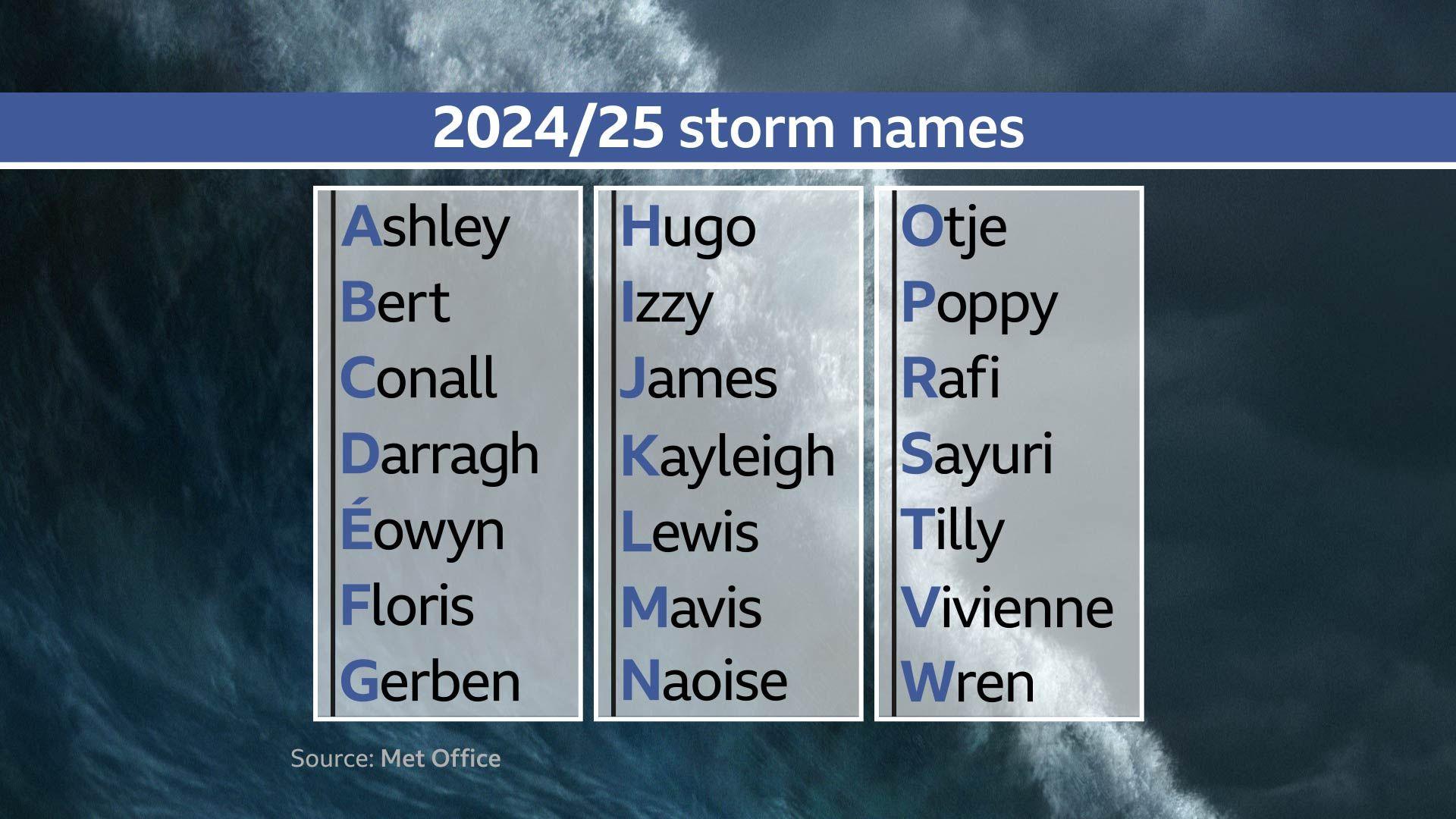
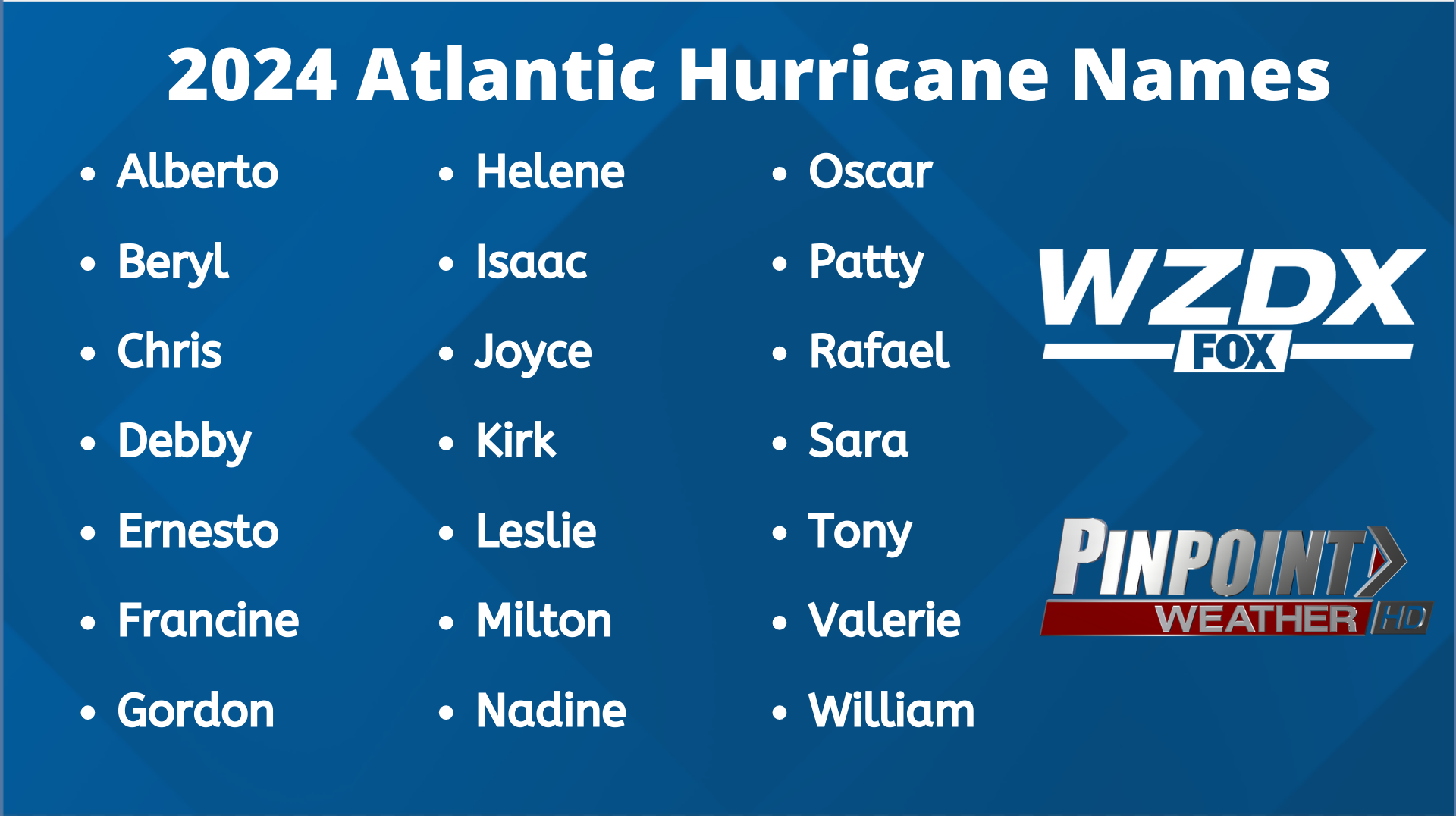
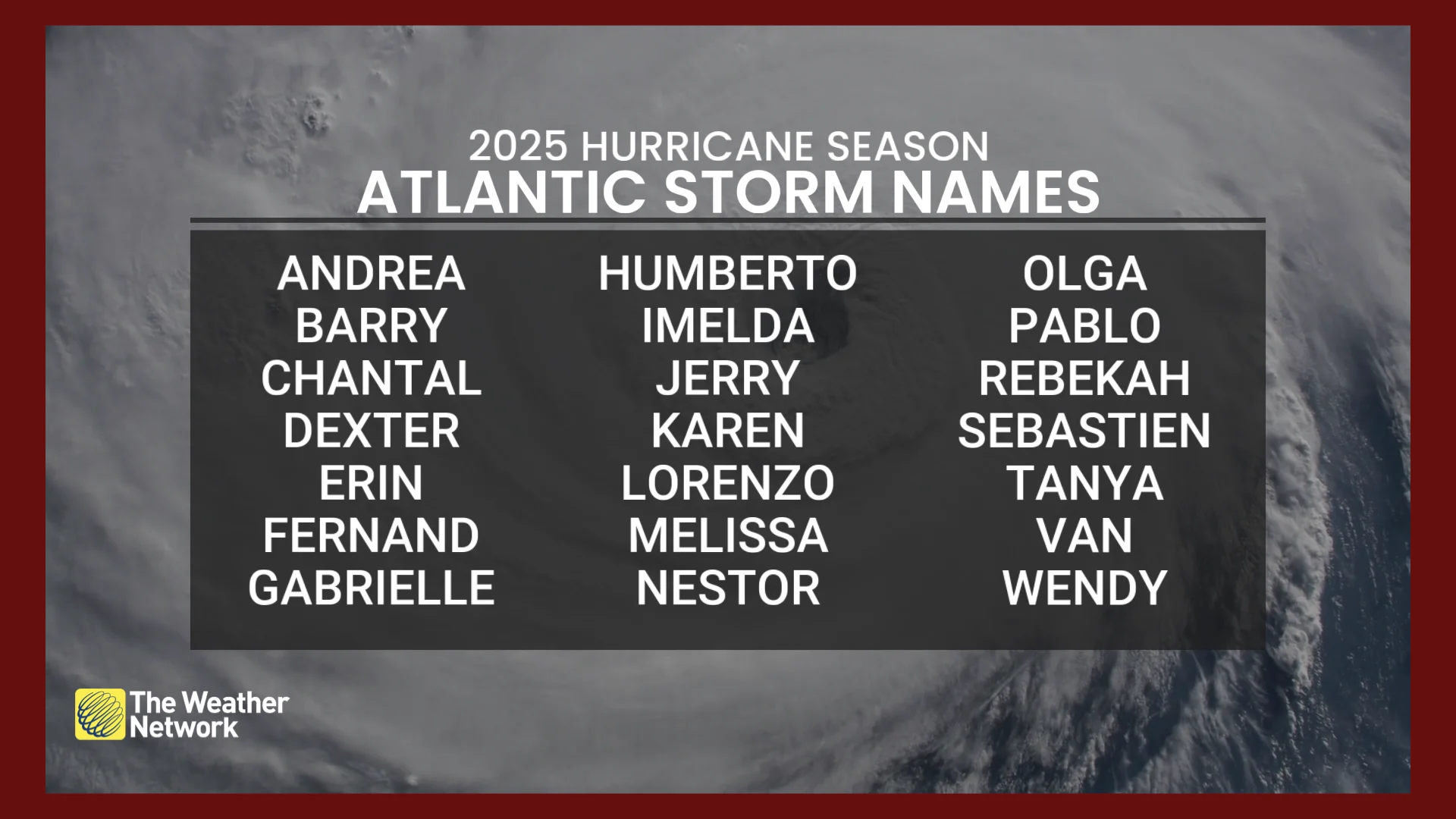
This is the fun part, right? The big reveal! To figure out the next storm name, you'd first need to know which ocean basin you're interested in (Atlantic, Pacific, etc.) and what the *last named storm* was in that specific region for the current season. Once you know that, it's a simple hop, skip, and a jump to the next letter on that region's official list!
It’s like waiting for the next song on a carefully curated playlist, or wondering who the protagonist in the next chapter of a book will be. Is it going to be a strong, classic name? Something a bit quirky? A name you've heard before, or one that feels brand new?
For example, if the last storm in the Atlantic was "Wanda" (a real name from a past list!), you'd consult the current year's list for the Atlantic basin. If "Wanda" was the last name used on the primary list, then you'd be looking at the beginning of the supplemental list, or if it was the last name of the *season*, then you'd be looking at the very first name on next year's list!
Knowing the next name in advance gives us a weird, almost protective feeling. It's like we've been introduced to a character before they make their grand entrance. It's a tiny, human-sized peek into the vast, unfolding drama of nature.
Why Is This All So Cool?
Because it’s a beautiful blend of practical science, international cooperation, and a touch of human connection to something utterly enormous. It shows how we try to bring order to chaos, and how a global organization like the WMO works tirelessly behind the scenes to keep us informed and safe.
The next storm name isn't just a label; it's a marker. It tells a story of the season, a chapter in the ongoing narrative of our planet's weather patterns. And knowing how these names come about, and even having a tiny guess about what the next one might be, adds a certain layer of fascinating detail to our world.
So, the next time you hear a storm name, take a moment to appreciate the thought, the system, and the sheer global effort that went into giving that powerful entity its very human moniker. It’s pretty neat, don’t you think?