Let's dive into something that might surprise you: hydroelectric power! We often think of it as clean energy, a green alternative to fossil fuels. After all, it uses the power of water! But like everything, there's more to the story. So, what's the biggest environmental catch when it comes to harnessing the awesome power of H2O?
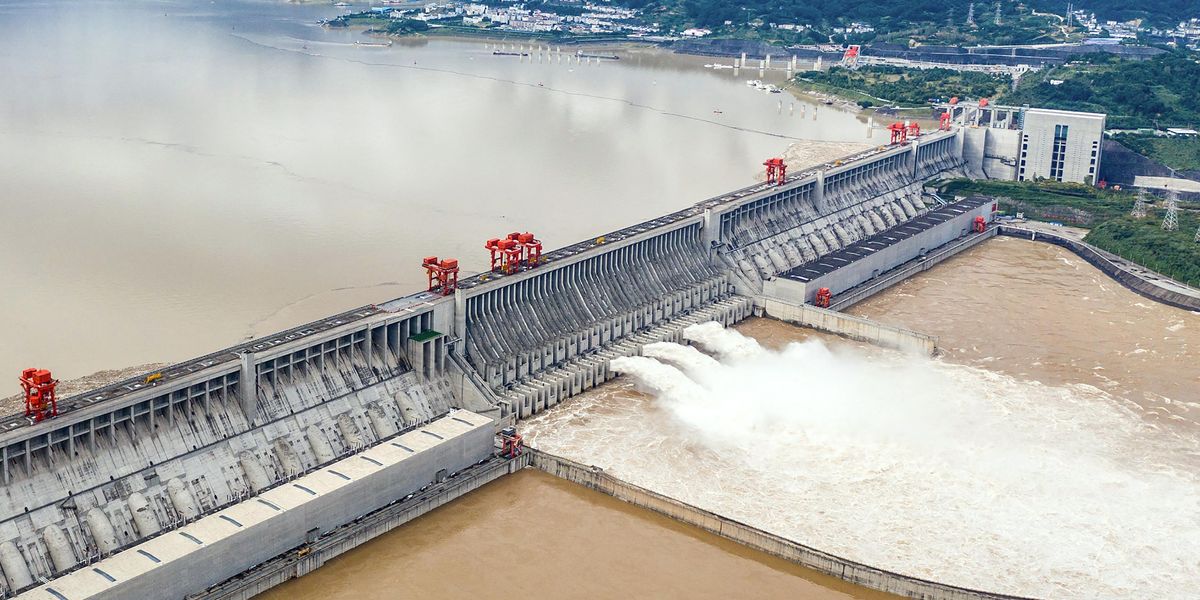
First, a quick refresher. Hydroelectric power, at its core, is about converting the kinetic energy of moving water into electricity. We build dams, create reservoirs, and then control the flow of water through turbines connected to generators. Voila! Electricity! The benefits are clear: a renewable energy source, flood control in some cases, and a reliable power supply. No burning of coal or gas, no air pollution – sounds pretty great, right?
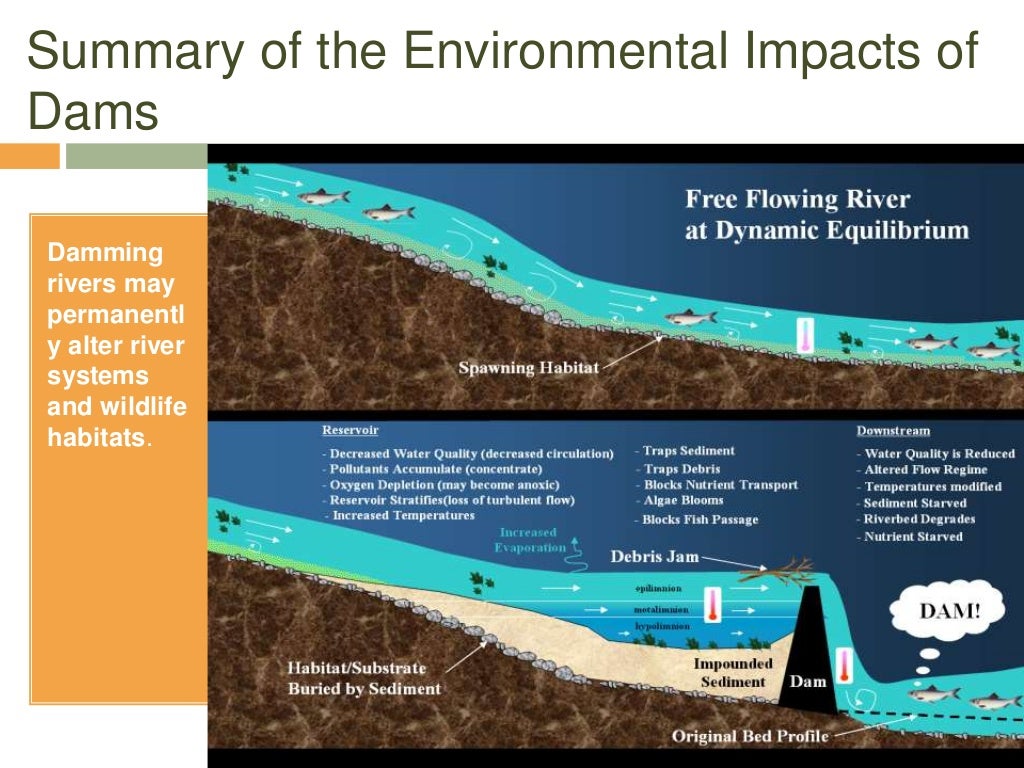
Well, here's where the "greatest environmental cost" comes in: it's not about emissions; it's about habitat disruption. Specifically, the impact on aquatic ecosystems.
Think about it: building a massive dam completely alters a river. It transforms a free-flowing river into a stagnant reservoir. This has huge consequences. Water temperatures change, oxygen levels decrease, and sediment flow is blocked. These changes wreak havoc on the fish and other aquatic life that have adapted to the original river environment.
One of the most significant impacts is on migratory fish, like salmon. They need to travel upstream to spawn, and dams can completely block their passage. Fish ladders and other mitigation efforts can help, but they're often not enough to fully compensate for the disruption. Imagine trying to climb a giant staircase when you're built for swimming! It's tough!
But it's not just the fish! The altered water flow can also affect wetlands and riparian habitats downstream, impacting birds, mammals, and other wildlife that depend on those ecosystems. The creation of the reservoir itself also floods vast areas of land, displacing communities and destroying terrestrial habitats. Think about all the forests, fields, and even towns that might be submerged under the water.
Furthermore, the change in water chemistry can lead to the release of methane, a potent greenhouse gas, from decaying vegetation in the reservoir. While still generally lower than fossil fuel emissions, it's an important factor to consider.
So, while hydroelectric power offers significant benefits, it's crucial to acknowledge the very real environmental costs. The greatest of these? The profound and lasting disruption to aquatic ecosystems caused by damming rivers. Understanding this trade-off is key to making informed decisions about our energy future and finding ways to minimize the impact of hydroelectric power on our planet's precious waterways. We need to think critically about how we generate power and strive for truly sustainable solutions.