Alright, wire whisperers and electricity enthusiasts! Have you ever looked at a jumble of cables behind your TV or rummaged through a drawer full of mysterious cords and wondered, "What in the world is the gauge of a wire, anyway?" Well, get ready, because we're about to demystify this seemingly technical term with more fun than a barrel of circuit-bending monkeys!
Imagine, if you will, that electricity is like a tiny, invisible river of power, flowing through your wires to bring life to your gadgets. Now, what do rivers need? A channel, right? The wire is that channel. And the gauge? That's simply a fancy way of saying "how fat or skinny the wire is." Yup, it's all about thickness!
Think of it like a water hose!
This is where the magic truly begins! Let's swap those electrons for water molecules for a moment. If you want to water your prized petunias, you probably grab a standard garden hose. That's like a medium-gauge wire, perfect for a modest amount of power. But what if you wanted to fill a swimming pool in a hurry? You wouldn't use that flimsy little garden hose, would you? No way! You'd need a super-duper, industrial-strength fire hose!
A garden hose is to a fire hose what a phone charger cable is to the beefy wire running to your air conditioner. The bigger the job, the fatter the hose – or in our case, the thicker the wire!
That super-thick fire hose can handle a colossal amount of water without bursting or getting all hot and bothered. A tiny, straw-like tube, on the other hand, would struggle, get all backed up, and probably explode with a sad little sizzle. The same glorious principle applies to wires and electricity. A thicker wire can handle more electrical "juice" (which we call current) without overheating, causing trouble, or making your devices perform like a snail on a lazy Sunday.
The "Backwards" Mystery: Smaller Number, Bigger Wire!
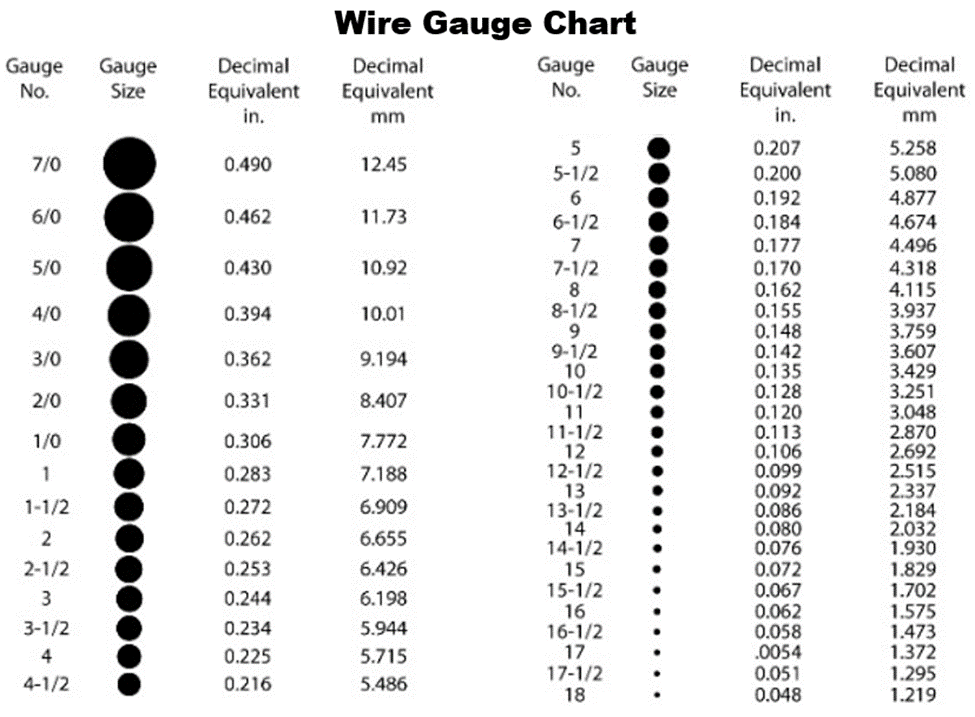
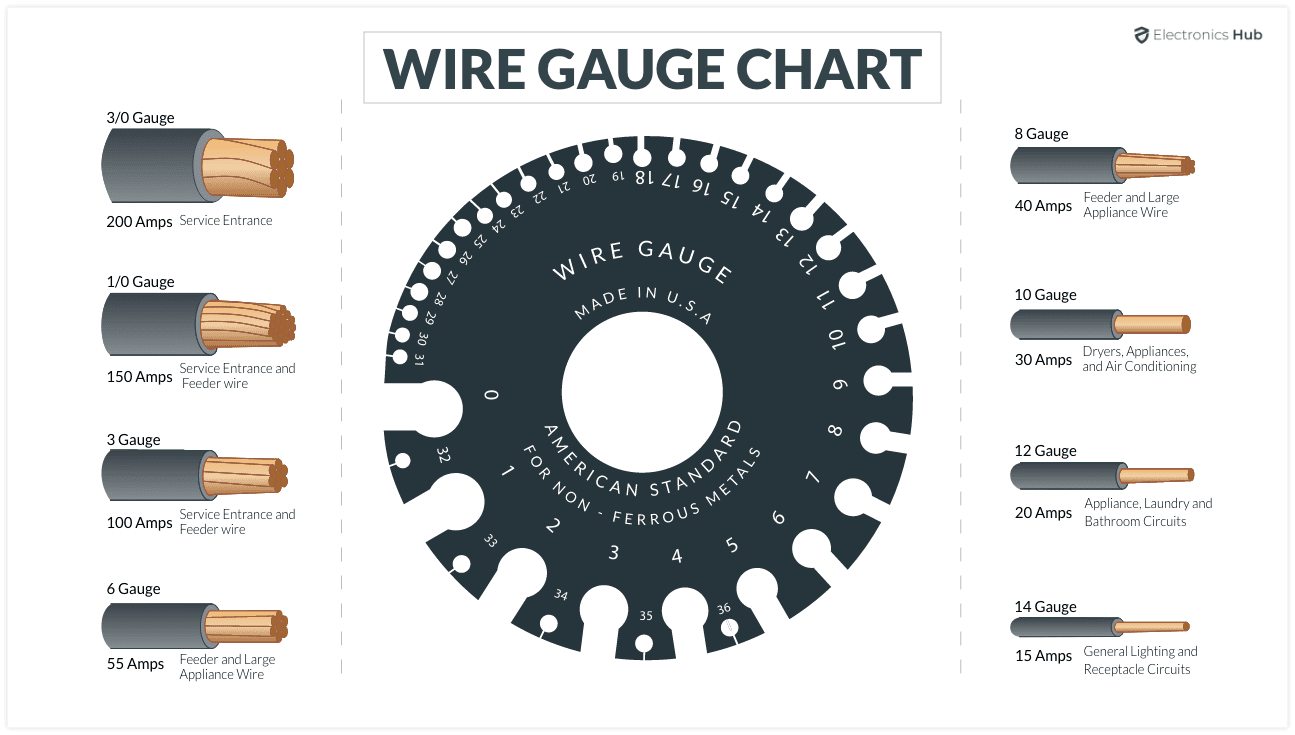
Now, here's where things get a little wonderfully wacky, just to keep us on our toes. In the world of wires, especially with the common AWG (that's American Wire Gauge) system, the numbers work in reverse! It's like someone wanted to throw a tiny bit of playful confusion into the mix, just for giggles.
- A small gauge number (like 10-gauge) means a thick, beefy wire. Think of it as a mighty oak tree.
- A large gauge number (like 22-gauge) means a thin, delicate wire. More like a slender willow branch.
Confused? Don't be! Just remember: The smaller the gauge number, the more electrical muscle that wire has. It's like golf – a lower score is better! Or maybe it's like Olympic medals – gold (first place, lowest number) is the best, strongest. You get the idea!
Why Does This Glorious Gauge Info Matter To You?
Oh, it matters, my friend! It matters a lot, whether you're powering a tiny LED light or a monstrous home theater system.
1. Too Skinny (High Gauge Number) = Trouble!
Imagine trying to push a whole herd of elephants through a tiny cat flap. Chaos! Heat! Meltdown! If you use a wire that's too thin (a high gauge number) for the amount of electricity your device needs, that wire will have to work overtime, get super hot, and potentially melt its insulation. At best, your device might be sluggish; at worst, you're looking at a serious fire hazard. Nobody wants a wire that thinks it's a fire-breathing dragon!
2. Too Chunky (Low Gauge Number) = Overkill!
On the flip side, using a ridiculously thick wire (a super low gauge number) for a tiny little job (like charging your phone) is like using a battle tank to pick up groceries. It's safe, yes, but it's also unnecessarily bulky, expensive, and a bit much to wrangle. Your phone charger cable is probably a nice, skinny 22-gauge or higher. Meanwhile, the cables connecting your car battery are likely a mighty 0-gauge or 2-gauge, because starting an engine demands a truly immense surge of power!
Finding the Sweet Spot
The goal, dear reader, is always to find the Goldilocks gauge – not too thick, not too thin, but just right for the job. This ensures your devices get the power they need efficiently and safely, without any drama. From your whisper-thin USB charging cables (high gauge) to the mighty wires powering your electric stove (low gauge), every wire has a purpose and a perfectly suited thickness.
So, the next time you see a wire and ponder its gauge, you're no longer just looking at a number. You're looking at its inner strength, its ability to carry power, and its harmonious relationship with the wonderful world of electricity. You're practically a wire wizard now! Go forth and impress your friends with your newfound gauge greatness!

.png/800px-Wire_gauge_(PSF).png)