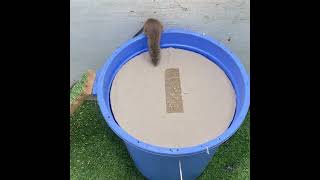
Alright, confession time. I once spent an entire evening playing a bizarre game of cat-and-mouse, except I was the "cat" (a very ineffective one, apparently) and the "mouse" was, well, an actual mouse. This little daredevil decided to make a grand entrance by scampering across my kitchen floor while I was mid-sentence on a video call. My professional facade? Shattered. My dignity? Questionable. And my immediate reaction? A primal urge to declare war on all things tiny and scurrying.
I tried everything. Chasing it with a broom (hilarious for onlookers, utterly futile for me). Setting out cheese (it clearly had a refined palate and preferred my expensive granola). The whole ordeal made me realize something profound: when you've got an unwanted houseguest with whiskers and a tail, the question quickly becomes, "What is the actual, undisputed, no-nonsense best mouse trap?" And trust me, dear reader, it’s a rabbit hole… or rather, a mouse hole, of options.
The Old Faithful: Snap Traps
Let's kick things off with the OG. The classic wooden snap trap. You know the one – a tiny piece of wood, a spring-loaded bar, and the promise of a swift, albeit brutal, end. My grandma swore by them, and honestly, they're still around for a reason: they work. They're cheap, effective, and require minimal fuss to set. Just bait it (peanut butter is a mouse's kryptonite, apparently, not cheese!), place it, and listen for the dreaded *SNAP*.
But let's be real, while effective, they're not exactly for the faint of heart. The cleanup can be… well, a cleanup. And if you're like me, you might feel a tiny pang of guilt, even for a creature that just ate a hole in your cereal box. Still, for sheer effectiveness per dollar, it's tough to beat the classic.
The Sticky Situation: Glue Traps
Next up, we have the glue trap. These are basically sticky cardboard squares designed to ensnare the unsuspecting rodent. On the surface, they seem less violent, right? No springs, no snapping. Just… stuck. But here’s the thing: while they might not *snap*, they're often considered one of the most inhumane options. The mouse gets stuck, sometimes by a foot, sometimes by its face, and then it slowly starves, dehydrates, or injures itself trying to escape. It's a slow, agonizing end.
Plus, if you ever find a live mouse on one, then what? Do you try to free it (and risk getting bitten)? Do you just… dispose of it? Yeah, not a fan. While easy to deploy, the moral and practical downsides here are pretty significant. My advice? Steer clear if humanity is even a remote consideration.
The Gentle Approach: Live Traps
For those of us who believe every creature deserves a second chance (even the ones that steal our granola), there are live traps. These are usually small cages or enclosed tunnels where the mouse enters for bait, and a door springs shut behind it. No harm done, just a temporarily detained furry friend.
The pros? No mess, no guilt, no gore. You catch it, you release it far, far away (at least a mile, otherwise it'll just find its way back to your delicious pantry). The cons? You have to remember to check them *frequently*. Leaving a mouse trapped for days without food or water isn't exactly humane either. And then there's the release part – ever tried to coax a terrified mouse out of a cage into the wild? It's an adventure, let me tell you. Plus, if you're not consistent, you might just be running a rodent taxi service back and forth from your house.
The High-Tech Solution: Electronic Traps
If you're into gadgets and want a quick, clean kill without the visible mess of a snap trap, electronic traps might be your jam. These usually lure the mouse into a chamber with bait, and when it steps on metal plates, it gets zapped with a high-voltage shock. Instant lights out.
They're generally considered humane because of the swiftness of the kill. They're also clean, as the body is contained within the unit, making disposal easy. The biggest drawbacks? Cost and batteries. They're significantly more expensive than traditional traps, and you'll need to keep fresh batteries handy. But for a hands-off, humane-ish, and clean option, they're definitely a strong contender.
So, What's Your Best Bet?
After my personal mouse-pocalypse and subsequent deep dive, I've come to a crucial realization: there's no single "best" mouse trap for everyone. It all boils down to your personal priorities:
- Effectiveness & Cost: If you want cheap and undeniably effective, snap traps are hard to beat.
- Humanity: If you absolutely cannot bring yourself to harm a hair on their little heads, live traps are your friend (just remember to check them!).
- Cleanliness & Speed: If you're willing to invest a bit more for a quick, contained, and less gruesome end, electronic traps are excellent.
- Avoid: Seriously, just say no to glue traps. For everyone's sake.
Ultimately, the best mouse trap is the one that you'll actually use effectively and that aligns with your ethical compass. For me? I've got a mix. A few well-placed electronic traps for the main battle, and a live trap for the stragglers I feel particularly sorry for. It’s a war, but one fought with strategy, not just frantic broom-waving. So, tell me, what's been your go-to weapon in the fight against the tiny invaders? I'm genuinely curious – we're all in this together!