Hey there, energy enthusiast! Ever wondered how we tap into the Earth's fiery belly to power our homes? I'm talking about geothermal energy! It's like having a giant, natural radiator under our feet, and it's pretty darn cool (or should I say, hot?). Let's dive into what it takes to turn that underground heat into the electricity that keeps your phone charged and your Netflix binges going.
Finding the Hot Spots
First things first, you can't just drill anywhere and expect a geyser to erupt, powering your toaster oven. (Although, wouldn't that be convenient?) Geothermal energy works best in areas with geothermal reservoirs. These are like underground aquifers, but instead of water that's refreshing, it's super-heated, and sometimes steamy and under a lot of pressure. Think of it like the Earth’s own giant tea kettle, constantly simmering.
These reservoirs are typically found near volcanic activity, plate boundaries, or areas with thin crust. So, if you live near a volcano, congratulations! You're practically sitting on a goldmine… of heat! Of course, you'd need a team of geologists and engineers before you start digging in your backyard. Just sayin'.
Drilling Down
Okay, so we've found a hot spot. Now comes the fun part: drilling! Think of it like sticking a giant straw into the Earth's juice box. These wells can be thousands of feet deep – imagine the cable bill on that plumbing project!
Once the well is drilled, the hot water or steam rushes to the surface under its own pressure. It's like opening a bottle of soda that's been shaken up… except instead of a sticky mess, you get clean, renewable energy! (Okay, maybe there's a little mess. Drilling is never perfectly clean.)
Power Plant Magic
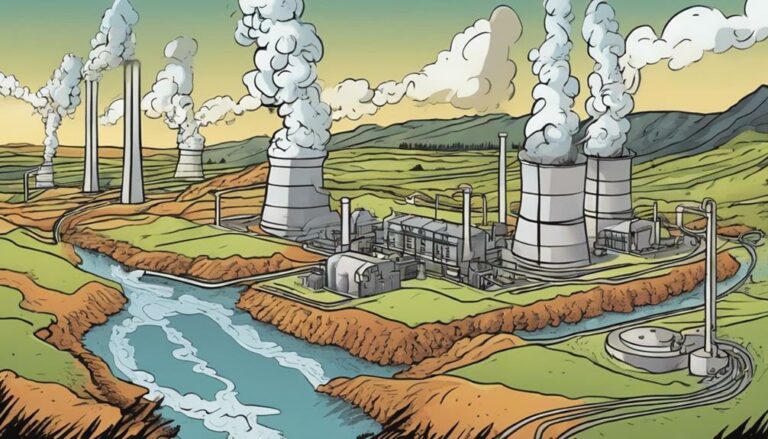
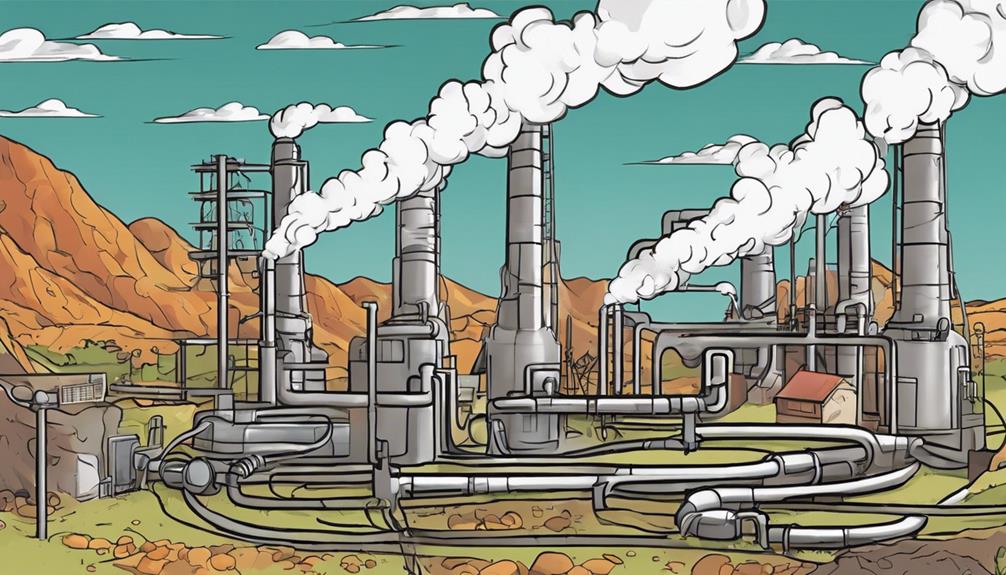
Now for the technical wizardry! Once the hot water or steam is at the surface, it’s piped into a geothermal power plant. There are a few different types of power plants, each using a slightly different method, but the basic idea is the same: use the heat to turn a turbine, which spins a generator, which creates electricity. Simple, right? (Okay, maybe not simple, but conceptually easy to grasp!)
Here's a quick rundown of the most common types:
- Dry Steam Plants: These are the simplest. They directly use the steam from the reservoir to spin the turbine. It's like the Earth is giving the turbine a nice, warm hug.
- Flash Steam Plants: These are more common. Hot water is sprayed into a tank at a lower pressure, causing some of it to "flash" into steam. This steam then spins the turbine. Think of it as a geothermal spa day, but for turbines.
- Binary Cycle Plants: These are the most versatile. They use the hot water to heat a secondary fluid with a lower boiling point. This fluid turns into vapor and spins the turbine. It's like a geothermal tag-team effort!
Keeping it Clean (and Sustainable!)
Geothermal energy is generally considered a very clean source of energy. However, there are some things to keep in mind. Sometimes, geothermal fluids contain dissolved gases like hydrogen sulfide (which smells like rotten eggs – yuck!) or small amounts of greenhouse gases. Power plants have systems in place to capture and treat these gases, minimizing their environmental impact. Think of it as giving the Earth a little air freshener after a productive workout.
Also, it's super important to manage geothermal reservoirs sustainably. We don't want to deplete them faster than they can recharge. Think of it as being responsible with your tea kettle. You wouldn’t want to use all the water and leave it empty, would you?
So, What's the Big Deal?
Why all this effort? Because geothermal energy is a fantastic renewable energy source! It's reliable, constantly available (unlike solar or wind, which depend on the sun and wind, respectively), and relatively clean. It's a powerful and sustainable way to reduce our reliance on fossil fuels and create a brighter, greener future.
Imagine a world powered by the Earth's own heat, where we're working with the planet instead of against it. That's the promise of geothermal energy, and it's a pretty exciting prospect, don't you think?
So, the next time you flip a light switch, take a moment to appreciate the power of geothermal energy and the ingenious ways we harness the Earth's natural heat. It's a hot topic, and a cool solution, all rolled into one!