Ever pull up to the gas station, fill 'er up, or perhaps flip on a light switch, and wonder about the sheer magic powering our modern lives? We use fossil fuels every single day, often without a second thought. But have you ever paused to consider what these incredible energy sources are *actually* made of? It’s not just some black goo pulled from the ground; it’s a fascinating tale of ancient life, immense pressure, and millions of years. Let’s dive in!
The Ultimate Time Capsule: It's All About Ancient Life!
Forget dinosaurs for a moment (though they were certainly around when these processes started!). The true stars of the fossil fuel show are much, much smaller. We’re talking about microscopic organisms, plants, and tiny creatures that lived eons ago. Think of it as Earth’s biggest, slowest compost pile.
Essentially, fossil fuels are the decayed remains of prehistoric organic matter – life that existed millions of years ago. We’re literally running our cars and powering our homes with the remnants of ancient forests and plankton. How wild is that?
The Grand Recipe: Pressure, Heat, and Time (Lots of It!)
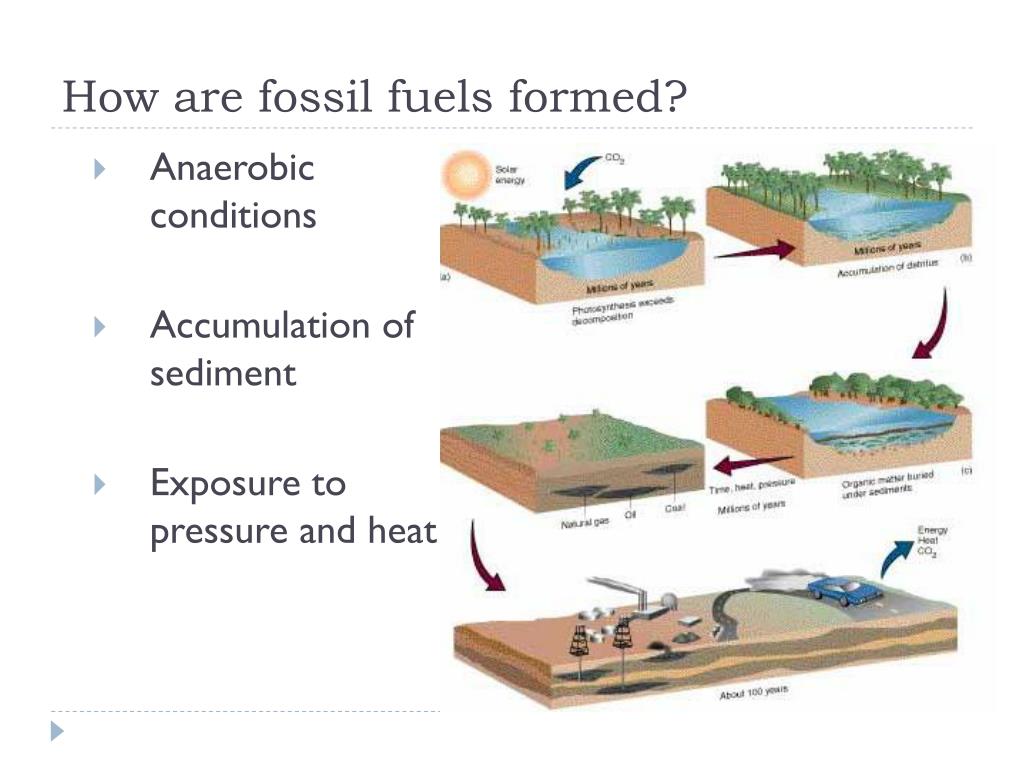
So, how does ancient pond scum turn into the fuel for your next road trip? It’s a multi-stage process that takes geological epochs:
Step 1: Life and Death. It all starts with thriving ecosystems. Plants grow, tiny marine organisms (like algae and zooplankton) float in the oceans. When they die, instead of fully decomposing and returning their nutrients to the soil or water, their remains settle to the bottom of oceans, lakes, or swamps. Crucially, they do so in an oxygen-poor environment, which prevents rapid decay.
Step 2: Burial and Layering. Over millions of years, these organic layers get buried under mountains of sediment – sand, mud, rocks, more dead organisms. Each new layer adds immense weight and pressure to the layers below. It’s like making a super-dense, multi-layered sandwich, but on an epic scale!
Step 3: The Transformation Zone. As the organic matter sinks deeper and deeper, it's subjected to incredible heat and pressure. We're talking temperatures that can reach hundreds of degrees Celsius and pressures strong enough to crush just about anything. This extreme environment literally "cooks" the organic material, breaking down its complex molecules into simpler hydrocarbon compounds.
Different Ingredients, Different Fuels
The type of organic matter, and the specific conditions of heat and pressure, determine whether we get coal, oil, or natural gas.
Coal: The Forest's Legacy
What it's made of: Mostly from ancient land plants – think vast swamps, forests, and fern beds from the Carboniferous Period (about 300 million years ago). These plants died and were buried, compressed, and heated, but without reaching the extreme temperatures needed for oil and gas.
The process: Peat (partially decayed plant matter) is the first stage. With more burial, heat, and pressure, it transforms into lignite, then sub-bituminous coal, bituminous coal, and finally, hard anthracite coal. It's essentially compressed and carbonized plant material. A fun fact: the coal you see today might have once been a towering tree or a lush fern in a prehistoric jungle!
Oil (Petroleum): The Ocean's Bounty
What it's made of: Predominantly from the remains of tiny marine organisms – algae, plankton, and other microscopic sea life. When these creatures died, they sank to the ocean floor.
The process: Buried under layers of sediment, subjected to intense heat and pressure, these organic remains slowly transform into a waxy substance called kerogen. With even more heat, kerogen breaks down into a viscous liquid known as crude oil (petroleum) and natural gas. Oil is a complex mixture of various hydrocarbons.
So, next time you’re marveling at a plastic item, remember its origins are likely in the ancient oceans!
Natural Gas: Often Oil's Companion
What it's made of: Similar to oil, natural gas also largely originates from ancient marine organisms. It’s primarily composed of methane (CH₄), the simplest hydrocarbon.
The process: Natural gas forms under similar conditions to oil, but often at higher temperatures and pressures, or from organic matter that has been "cooked" even longer than the oil. It can be found trapped alone in reservoirs, or often alongside crude oil (which is why you sometimes hear about "associated gas"). It’s basically the lighter, gassier byproduct of that ancient organic transformation.
Connecting to Your Daily Life
Understanding what fossil fuels are made of gives you a whole new perspective on your daily routine. That gasoline powering your car? It's liquid sunshine from millions of years ago, bottled from the remnants of ancient sea life. The plastic in your phone case or water bottle? Also derived from these same prehistoric organic compounds. Even the electricity keeping your lights on might come from coal, the compressed forests of a bygone era.
Practical Tip: When you next encounter something powered by or made from fossil fuels, take a moment. It's not just a commodity; it's a testament to Earth's deep history and the incredible, slow alchemy of geology. This awareness can be a gentle nudge towards appreciating the finite nature of these resources and perhaps inspiring more conscious choices in our energy consumption.
It's truly mind-blowing to think that the energy fueling our hyper-modern world is literally ancient life, patiently waiting deep beneath our feet for millions of years. It’s a powerful reminder of our planet’s incredible past, and perhaps, a prompt for us to think more deeply about its future.

.PNG)