When you hear the term 'crude oil,' your mind might immediately jump to gasoline, plastics, or industrial machinery. But beyond its modern utility, you'll discover something truly astonishing: a geological masterpiece, a liquid time capsule crafted over millions of years! Far from being just a dark, gooey substance, crude oil tells an epic tale of Earth's ancient past, offering a unique kind of inspiration for the curious mind.
While you certainly won't be setting up an easel to paint with crude oil (please, for safety's sake, don't try!), understanding its profound origins offers profound intellectual benefits. For the casual learner, it’s an enthralling peek into Earth's deep history, connecting us to vanished worlds. For the hobbyist, it might inspire models of ancient ecosystems or geological dioramas. And for anyone with a creative spark, it's a powerful reminder of nature’s grand scale and its incredible ability to transform. It’s about appreciating ultimate alchemy.
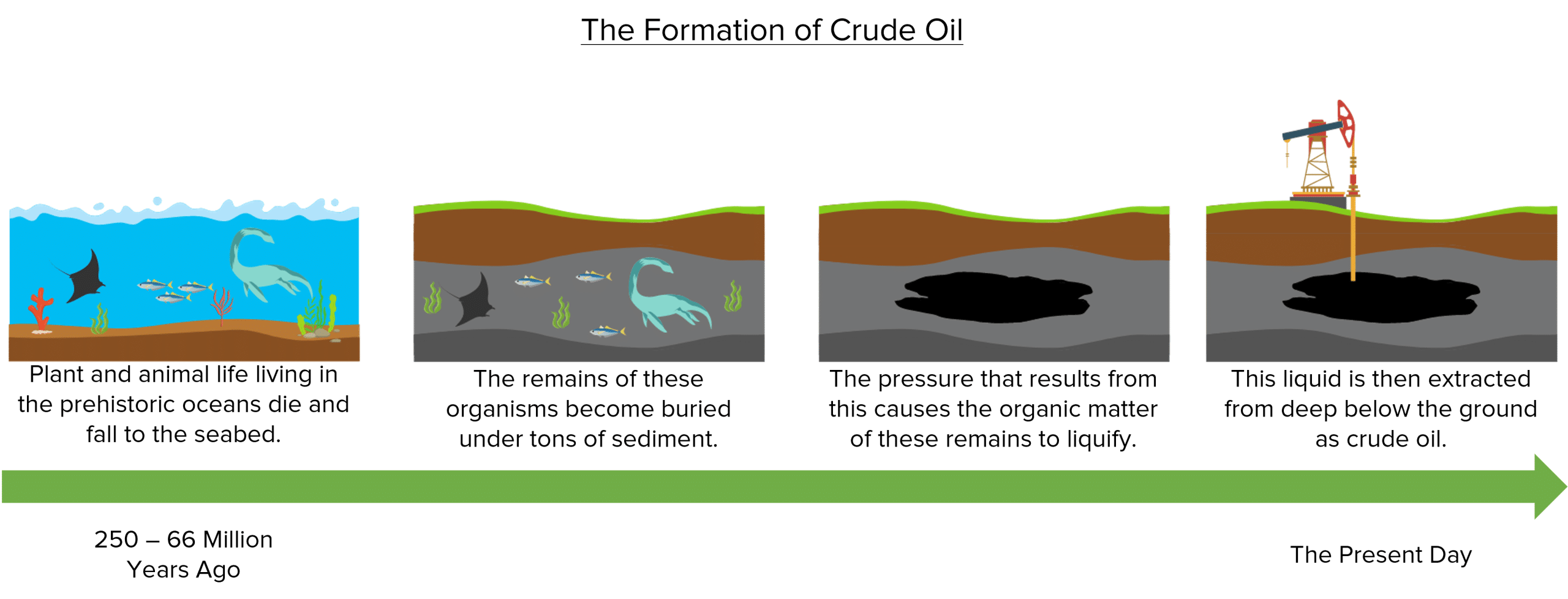
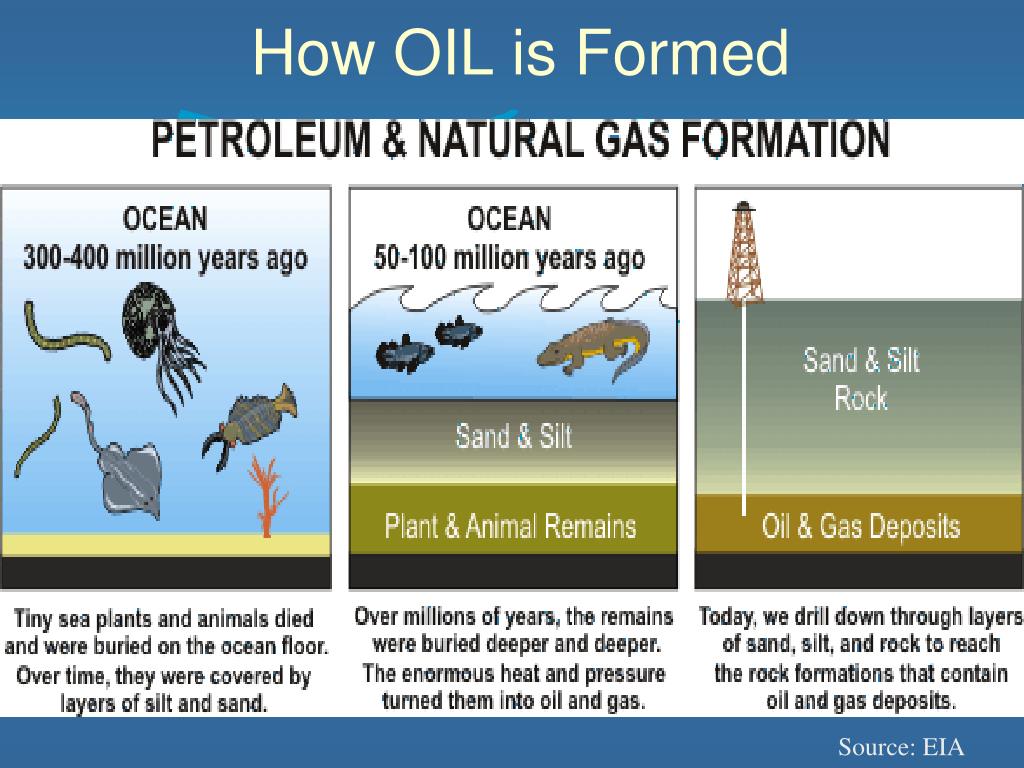
So, what is this fascinating liquid actually made from? Imagine ancient seas teeming with microscopic marine life. As these creatures died, their remains drifted to the ocean floor, mingling with mud and sediment. Over millions of years, layer upon layer built up, burying these organic riches deeper. Cut off from oxygen, and subjected to immense heat and pressure, these delicate remnants didn't simply decompose. Instead, they underwent a slow, magnificent transformation, first into a waxy substance called kerogen, then, with time and conditions, into the liquid we call crude oil.
Not all crude oil is the same! You'll find light, sweet crude, easier to refine into fuels, born from specific temperature and pressure. Then there's heavy, sour crude, thicker and rich in sulfur. Each variation is a distinct 'blend' reflecting its unique geological story, like Earth’s own diverse collection, each piece telling a story of ancient seas and monumental forces.
Now, for the 'at home' part! We absolutely do not recommend trying to collect or experiment with crude oil (it's hazardous and best left to professionals!). However, you can 'try it at home' in a much safer, more intellectually stimulating way. Dig into discovery! Grab a book on geology, watch documentaries, or visit a natural history museum. Try sketching what you imagine an ancient seabed looked like, complete with tiny organisms and shifting sediments. You could even start a rock collection, observing the layered stories within each stone, or try creating a timeline of geological eras. The goal is to ignite your imagination!
Ultimately, delving into 'What Is Crude Oil Made From' isn't about the substance itself, but the sheer delight of uncovering one of Earth’s most profound and patient secrets. It’s about marveling at millions of years of natural processes, understanding how microscopic life forms became the indispensable energy source of our modern world. It's an enjoyable journey into the planet's vast, quiet, and awe-inspiring creative engine.