Alright, stop right there! What’s the first thing that pops into your head when you hear the word coal? Chances are, it’s probably something along the lines of dusty old mines, steam trains, or maybe even those lumps Santa leaves for naughty kids. And you wouldn’t be entirely wrong, historically speaking. For generations, coal was the undisputed king of energy, powering the Industrial Revolution and lighting up homes across the globe.
But here’s a little secret, whispered in the corridors of innovation: coal is a lot more than just a fossil fuel destined for burning. In fact, it’s a surprisingly versatile material that plays a starring role in making your modern life *way* more comfortable, convenient, and yes, even fun! So, buckle up, because we're about to explore the incredible, often unseen, ways coal is making a difference today, far beyond the power plant. Prepare to have your mind a little bit blown!
Building Our World, One Piece at a Time
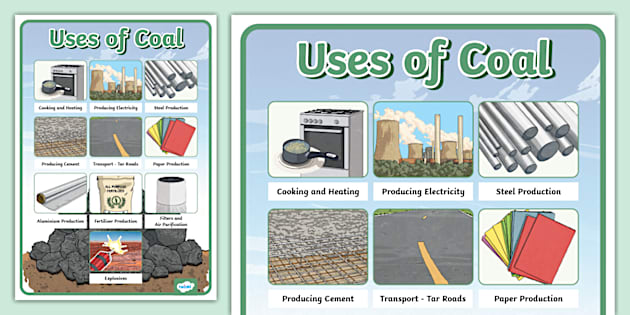
Let's kick things off with something super foundational. Ever marvel at a towering skyscraper, a majestic bridge, or even just the sturdy frame of your car? Well, you can thank coal for helping to make much of that possible. One of coal’s biggest modern gigs is in the production of steel.
We’re talking about metallurgical coal here, which is specially treated to create something called coke. This coke isn’t the bubbly drink; it’s a super-hot, carbon-rich material essential for melting iron ore and turning it into strong, durable steel. Think about it: without coal’s role in steelmaking, we wouldn't have the robust girders holding up our cities, the sleek chassis of our vehicles, or even the dependable appliances in our kitchens. It's the silent hero behind a huge chunk of our infrastructure. Pretty cool, right?
And speaking of building, coal also lends a fiery hand in the creation of cement. Many cement kilns use coal as a primary fuel source because it burns at incredibly high temperatures, which is exactly what’s needed to transform raw materials into that powdery grey stuff that holds our bricks and concrete together. So, every sidewalk you stroll on, every building you enter, likely has a little bit of coal’s legacy literally holding it up.
The Unexpected Chemical Alchemist
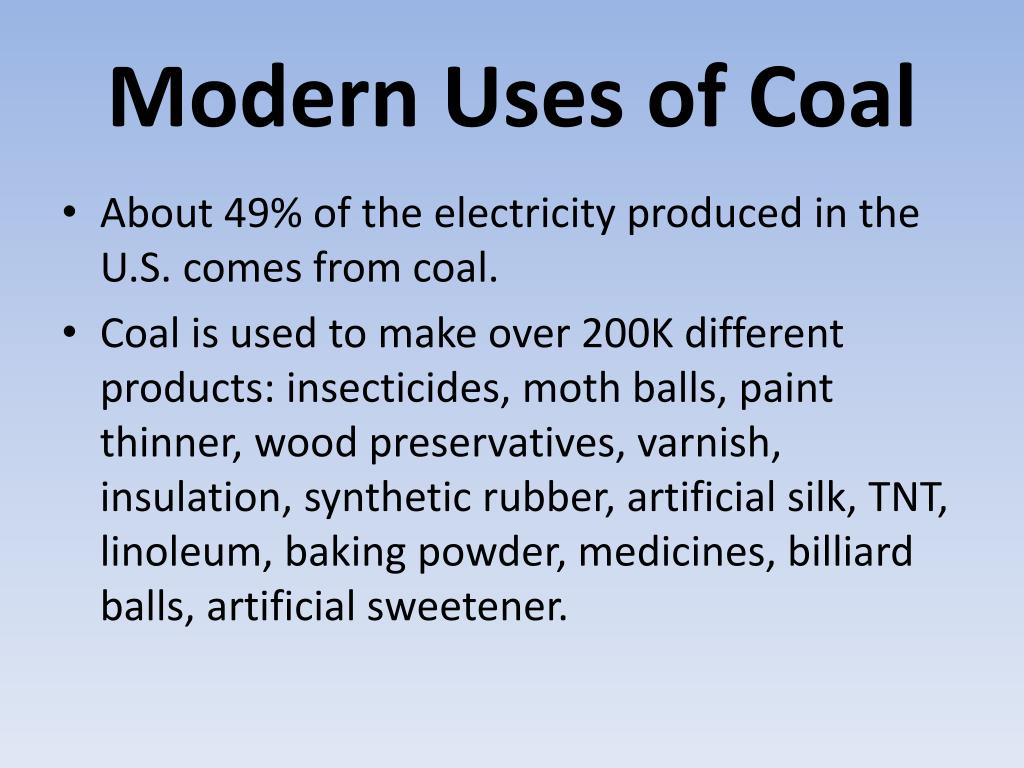
Now, this is where things get truly wild and wonderful. Beyond its roles in heavy industry, coal is also a remarkable source of various chemical compounds. Through a process called coal gasification or liquefaction, or simply by processing its byproducts like coal tar, we unlock a treasure trove of building blocks for all sorts of modern marvels.
Did you know that derivatives from coal are used in the production of some pharmaceuticals? Yes, we’re talking about ingredients in medications that help you feel better, from pain relievers to antiseptics. It's like finding a secret ingredient in a recipe you thought you knew inside out!
And what about all those vibrant colors around us? Many dyes and pigments, used in everything from the clothes you wear to the paint on your walls, owe a debt of gratitude to coal-derived chemicals. It’s a literal splash of color brought to you by this ancient resource.
Let’s not forget plastics! Many components and precursors for plastics – those ubiquitous materials that make up everything from your phone case to car parts to packaging – can trace their lineage back to coal. So, that handy gadget you're reading this on? Coal might just be an indirect part of its story!
Clean Water, Pure Air, and High-Tech Wonders
Here’s another cool one: activated carbon. This isn't just any old coal; it’s coal that has been processed to create an incredibly porous material with a massive surface area. What does that mean for you? It means activated carbon is a superhero when it comes to filtration!
It’s used in the water filters in your home, ensuring your drinking water is clean and tastes great. It’s also used in large-scale municipal water treatment plants. Furthermore, it purifies the air we breathe, finding its way into industrial air purification systems and even the filters in some respirators. Pretty neat that something so "dirty" can be so good at making things clean, wouldn't you say?
And for those who love cutting-edge tech, coal is even making inroads into advanced materials. Think about high-performance carbon fiber composites used in sports equipment, aerospace components, and electric vehicles. While not always directly from coal, the fundamental carbon science and some carbon precursors share a family tree with this ancient rock. It’s about leveraging coal's fundamental atomic structure in new, exciting ways.
The Undeniable, Hidden Impact
So, the next time you jump in your car, cook on a steel pan, build a sandcastle with a bucket made of plastic, or simply take a sip of clean water, take a moment. Pause and reflect on the unassuming, often overlooked role that coal plays in making these everyday comforts possible. It’s a testament to the ingenuity of science and industry that an ancient fossil can have such a diverse and dynamic presence in our modern lives.
From the foundational materials that build our cities to the microscopic components in our medicines, coal is far from a relic of the past. It’s a subtle, yet powerful, ingredient in the recipe of modern living. And understanding this isn't just about facts; it's about seeing the world with fresh eyes, appreciating the hidden connections, and realizing that even the most seemingly mundane things have a fascinating story to tell. It reminds us that everything around us has a history and a complexity worth exploring.
Isn’t that just the most inspiring thought? Go forth, embrace your inner detective, and keep discovering the amazing, intricate tapestry of our world!