You know those days, right? The kind where the wind isn't just a gentle breeze, but more like an overenthusiastic friend giving you a playful shove. Your hair has a mind of its own, and you suddenly understand why superheroes wear capes that can really fly. Most of the time, it's just a bit blustery, maybe a little annoying. But then, there are those other days when the wind decides to get really serious. And that, my friends, is when we start talking about a High Wind Warning.
What Exactly Is a High Wind Warning?
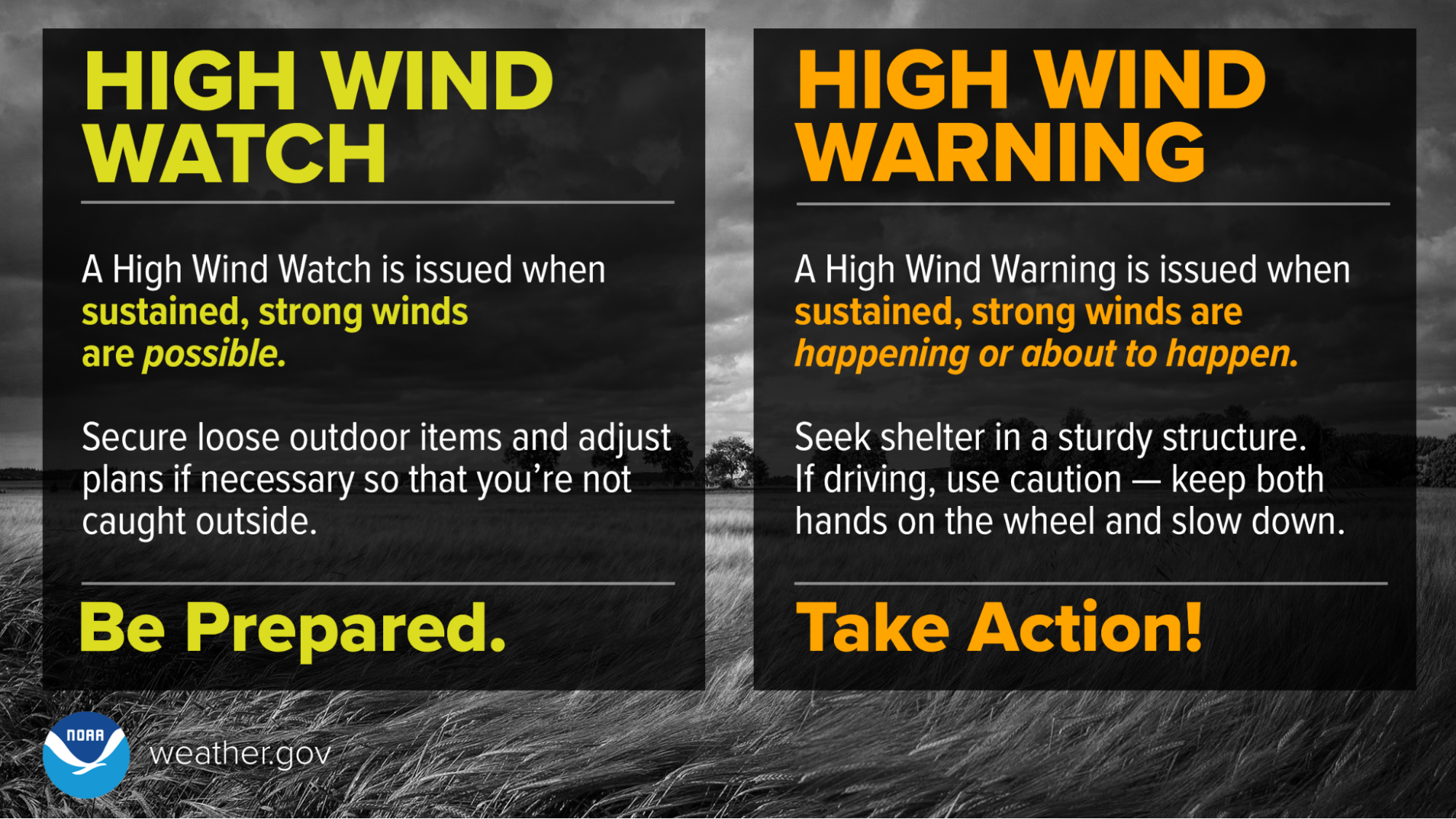
Think of it as nature’s way of saying, “Heads up! Things are about to get wild out there.” A High Wind Warning isn't just for a breezy afternoon; it’s issued when sustained winds, meaning they stick around for a while, are expected to hit speeds of around 40 to 50 miles per hour or more. And those sudden, stronger bursts? We call those gusts, and they can easily top 60 mph.
To put that in perspective, 40-50 mph is like sticking your head out the window of a car going down the highway. A 60 mph gust? That's when your favorite patio umbrella starts contemplating a career as a paraglider, and your lightweight garden gnome decides it's time for an unexpected, high-flying adventure. It's when the wind isn't just a background hum, but a noticeable, sometimes howling, presence.
Why Should We Care? (Besides Our Gnome's Airfare)
Okay, so your gnome might be okay, but there are some genuinely good reasons to pay attention to these warnings, and they’re not all about keeping your lawn decor grounded.
Your Stuff Becomes Airborne Artillery
Let’s start with the immediate and often amusing (from a distance) consequences. That lovely patio furniture? The BBQ grill cover? The kids’ soccer net? They can all become projectiles. I once saw a neighbor's recycling bin embark on a grand tour of the entire block, performing an impressive interpretive dance with every gust. It’s not just funny; a flying chair or even a loose trash can lid can cause real damage or injury.
Trees and Power Lines Do a Jitterbug
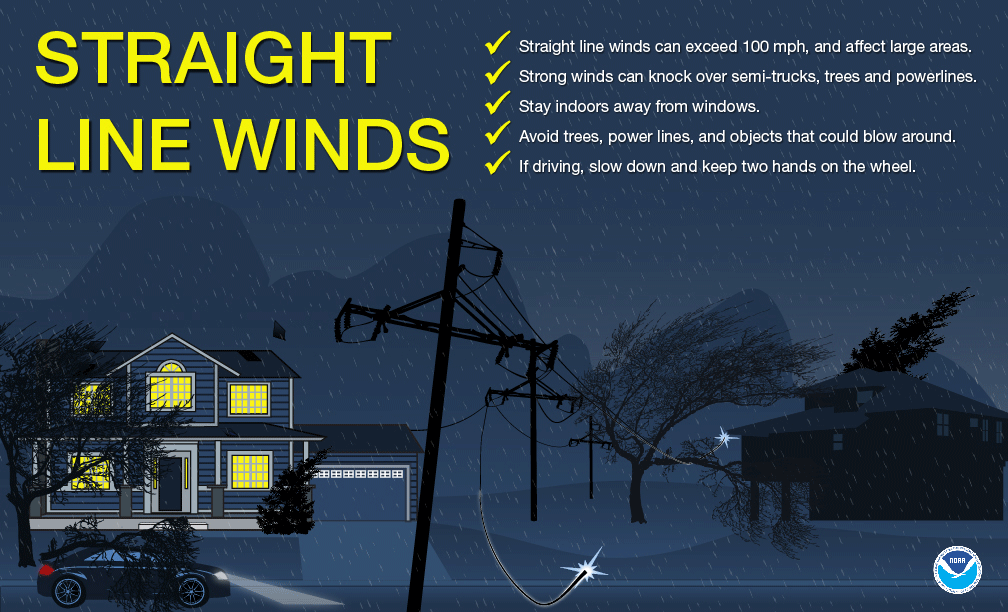
This is where things get a bit more serious. Strong winds put a lot of stress on trees. Branches snap, sometimes entire trees come down. And what do those branches love to play with? You guessed it: power lines.
A High Wind Warning often means a higher risk of power outages. Suddenly, your Netflix binge is interrupted, your internet connection vanishes, and your coffee maker goes silent. It’s inconvenient, sure, but it can also be a safety issue, especially if you rely on electricity for heating, cooling, or medical equipment. So, if you hear about strong winds, maybe charge your phone and find those flashlights!
Driving Becomes an Olympic Sport
Ever felt your car get a sudden shove from an invisible hand while driving? That's a strong crosswind. During a High Wind Warning, driving can become genuinely tricky, especially for taller vehicles like SUVs, trucks, and RVs. It's like trying to steer a boat in choppy water. Bridges and open stretches of highway are particularly vulnerable spots. So, if you absolutely have to drive, be extra cautious, slow down, and keep a firm grip on the wheel.
Debris and Falling Objects Are No Joke
It’s not just trees. High winds can loosen roof shingles, blow over fences, knock down signs, and even rip off parts of buildings. Walking outside can become a literal hazard zone. While a strong gust might just mess up your hair on a normal day, during a warning, it could send a piece of debris flying your way. Best to keep outdoor activities to a minimum during these times.
So, What's the Game Plan?
When a High Wind Warning is issued, it’s not a call to panic, but a friendly nudge to be prepared and aware.
- Secure Loose Items: Channel your inner superhero and tie down anything that could become airborne. Your patio furniture (and your gnome) will thank you.
- Stay Informed: Keep an eye on local weather updates. Knowledge is power, especially when the power might go out!
- Be Cautious Driving: If you must travel, drive slowly and be extra vigilant, especially around larger vehicles and open areas.
- Charge Up: Top off your phone, laptop, and any portable power banks. Dig out the flashlights and check their batteries.
- Look Up: Be mindful of trees and power lines, especially if you have to go outside. Report any downed lines to your utility company immediately.
Wrapping It Up
High Wind Warnings are essentially a heads-up from the weather folks that Mother Nature is about to flex her muscles a bit. They’re there to help us stay safe, protect our property, and avoid any unnecessary surprises. So, next time you hear that familiar phrase, you’ll know it’s not just about a bad hair day, but about being a little bit smarter and safer in the face of some serious gusts. Stay cozy, stay safe, and maybe just enjoy the sound of the wind from the comfort of indoors!