Okay, picture this: It's a sweltering summer day, the kind where the air just hangs heavy, and you're rummaging in the fridge for a nice, frosty beverage. You pull out that icy drink, close the fridge door, and maybe, just maybe, you lean against it for a second to savor the cool burst before you head back to the oppressive heat.
Ever notice that the back of your fridge, or the air coming off the coils underneath, feels a little warm? Or even hot? Hold on a sec, what's going on here? The inside is freezing, but the outside is warm. Is it... making heat? Not really. What your fridge is actually doing is a pretty neat trick: it's actively moving heat from inside its chilly compartment out into your kitchen. It’s not creating cold; it’s removing heat. Mind blown yet?
So, What Is a Heat Pump in HVAC?
Well, if you got that fridge concept, then understanding a heat pump for your home is going to be a breeze (pun intended!). In the world of HVAC, a heat pump is essentially a super-sized, incredibly smart refrigerator that doesn't just cool one small box, but can heat or cool your entire house. And yes, it works on pretty much the same principle: it doesn't generate heat by burning fuel, nor does it create cold out of thin air.
Instead, a heat pump simply, elegantly, and most importantly, efficiently moves heat from one place to another. Think of it as a bouncer for heat molecules, telling them where they can and can't hang out. In summer, it kicks heat out of your house. In winter, it brings it in. Pretty neat, huh?
How This Magic Trick Happens
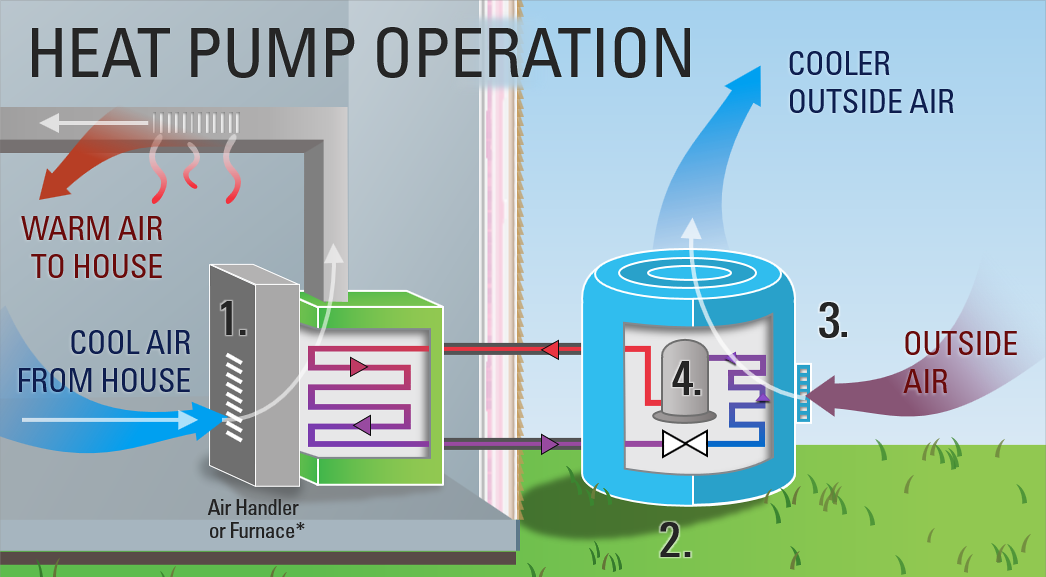
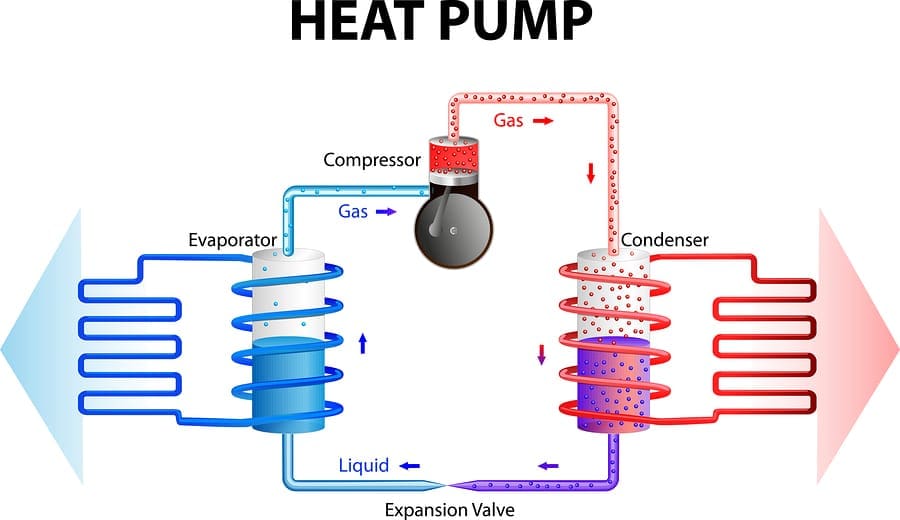
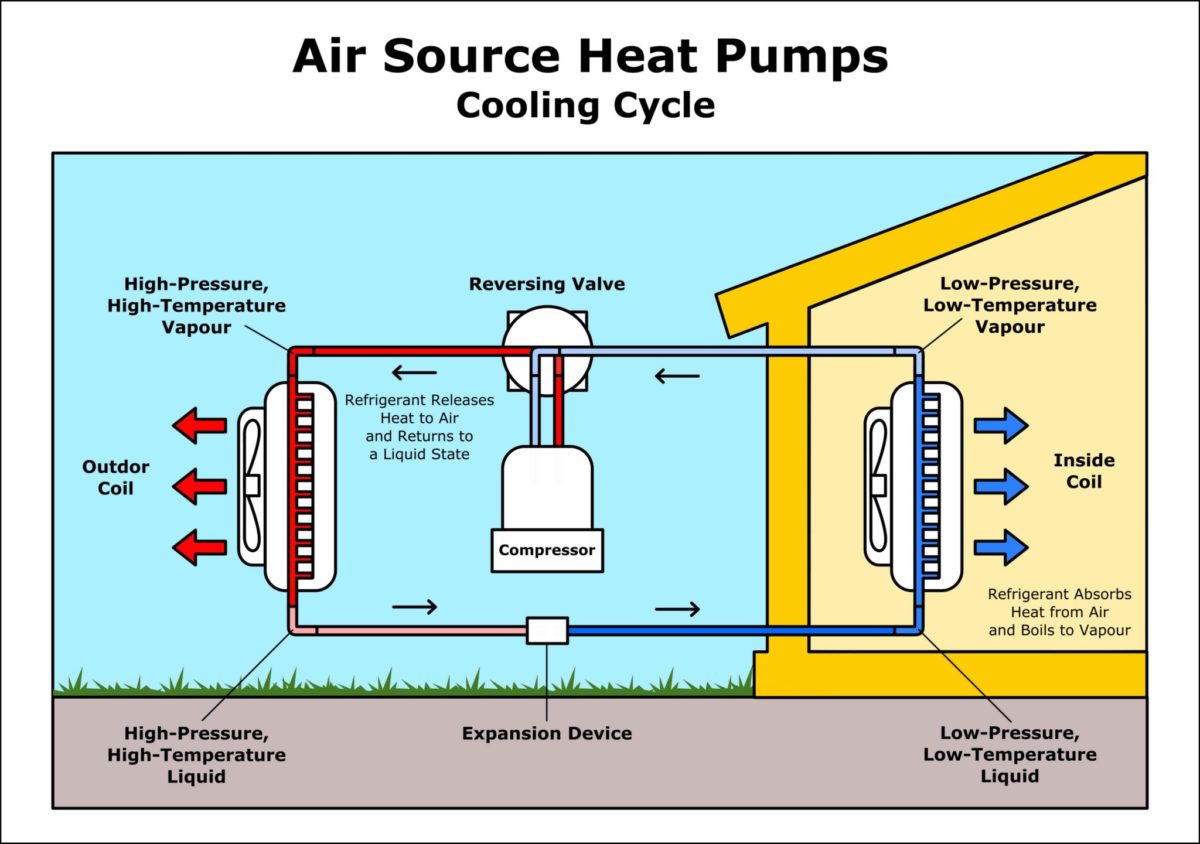
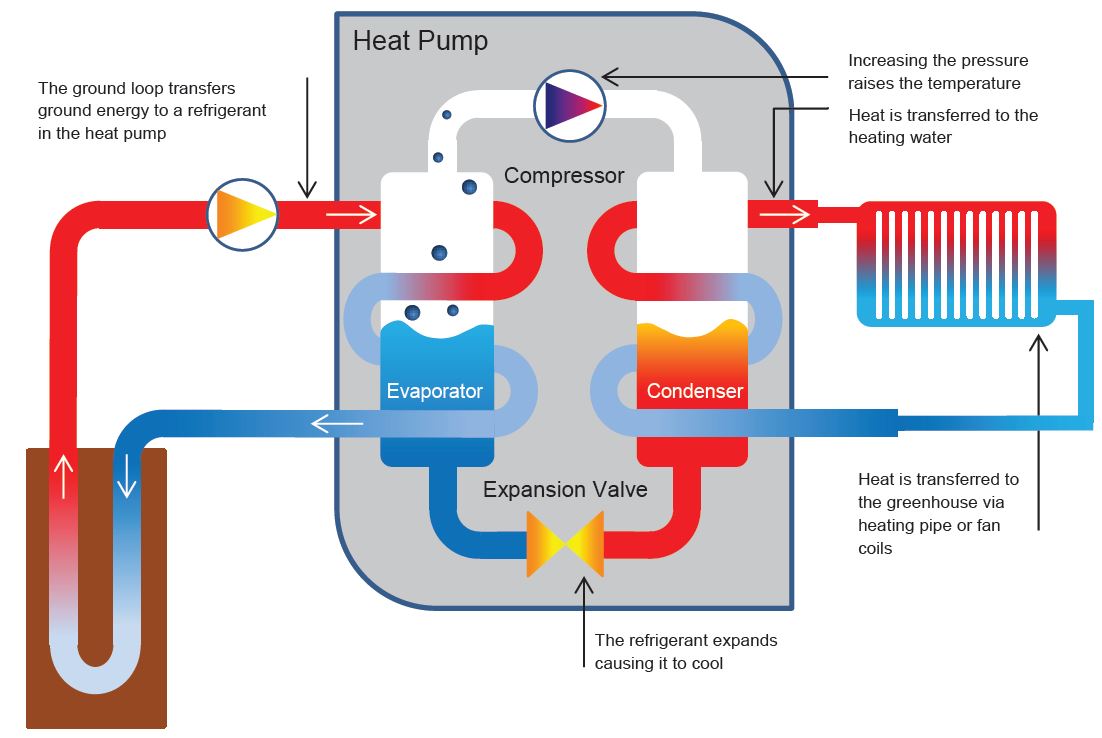
At its core, a heat pump uses a special fluid called refrigerant, which changes between a liquid and a gas as it circulates through a system of coils, a compressor, and an expansion valve. Here’s the super-simplified version:
- In Heating Mode (Winter): Even on a cold day, there's still heat energy in the outdoor air (yes, even when it's freezing!). The heat pump's outdoor unit extracts this low-grade heat, using the refrigerant to absorb it. The refrigerant then gets compressed, which makes it even hotter, and is pumped indoors. Inside, the hot refrigerant releases its heat into your home through the indoor coils, providing cozy warmth.
- In Cooling Mode (Summer): The process reverses! The indoor coils absorb heat from your home's air, transferring it to the refrigerant. The refrigerant then carries this heat outside, where it's released into the outdoor air, leaving your home cool and comfortable.
It’s literally the same cycle, just run in reverse. One system, two jobs. No separate furnace spewing hot air and then a distinct AC unit blasting cold air. It's a two-in-one powerhouse.
Why Should You Even Care About a Heat Pump?
Okay, so it moves heat. Big deal, right? Big deal indeed! Here’s why heat pumps are becoming the rockstars of home comfort:
- Energy Efficiency: This is the big one. Because they move heat rather than *generate* it (by burning natural gas, oil, or using electric resistance coils), heat pumps are incredibly efficient. For every unit of electricity they consume, they can often deliver 3 or even 4 units of heating or cooling energy. Your wallet will definitely notice the difference!
- Environmental Friendliness: Less energy consumption means a smaller carbon footprint. Plus, they don't burn fossil fuels *at your house*, which means no on-site emissions. If your electricity comes from renewable sources, you’re basically heating and cooling your home with sunshine or wind!
- Year-Round Comfort: One system handles both heating and cooling. No need to maintain two separate units, simplifying your life (and potentially your maintenance bills).
- Improved Air Quality: Many modern heat pumps also offer excellent air filtration, keeping your indoor air cleaner.
Any Downsides or "Gotchas"?
Nothing's perfect, right? While awesome, there are a few things to keep in mind. The initial cost of installing a heat pump can sometimes be higher than a traditional furnace and AC combo, though government incentives and rebates are increasingly available to help offset this. Also, in extremely frigid climates (think truly arctic temperatures), a standard air-source heat pump might need a little backup from a supplementary electric resistance heater, though modern cold-climate heat pumps are getting astonishingly good even down to very low temperatures.
Different Flavors of Heat Pumps
While we've mostly been talking about air-source heat pumps (which exchange heat with the outside air), you might also hear about:
- Geothermal (Ground-Source) Heat Pumps: These exchange heat with the stable temperature of the earth itself, making them even more efficient, but typically with a higher upfront installation cost due to the ground loops.
- Mini-Split (Ductless) Heat Pumps: Perfect for homes without existing ductwork or for adding heating/cooling to specific rooms. They're super versatile!
So, there you have it. From the humble refrigerator keeping your beer cold to a sophisticated system warming or cooling your entire home, the heat pump is a marvel of efficiency. It's not just a fancy new gadget; it's a smart, sustainable, and increasingly popular choice for keeping your living space perfectly comfortable, all year long.
Maybe it’s time to start thinking about your own home’s heat bouncer, don’t you think?