Ever find yourself daydreaming about that perfect indoor temperature, even when the sun's doing its absolute best to bake the neighborhood? We all do! Whether it's the dog days of summer or those unexpected warm snaps, a comfy home is a happy home. But when it comes to keeping cool without draining your wallet, there's a new efficiency hero in town: the SEER2 rating.
You might have heard of SEER before, but think of SEER2 as its cooler, smarter sibling. It's the updated benchmark for how efficiently your air conditioner or heat pump cools your space. Let's peel back the layers and discover what makes a SEER2 rating truly *good* and why it should matter to you.
What Exactly Is SEER2?
SEER stands for Seasonal Energy Efficiency Ratio. The "2" just means it’s the updated version of these ratings, reflecting new, more stringent testing conditions that better mimic real-world energy consumption. Basically, it’s a measurement of your cooling system’s output during a typical cooling season divided by the total electric energy input during the same period.
Think of it like the miles per gallon (MPG) for your car. A higher SEER2 number means your system uses less energy to deliver the same amount of cooling. So, when you're comparing AC units, a higher SEER2 is generally a good thing, signaling better efficiency and lower operating costs.
Why Did Things Change from SEER to SEER2?
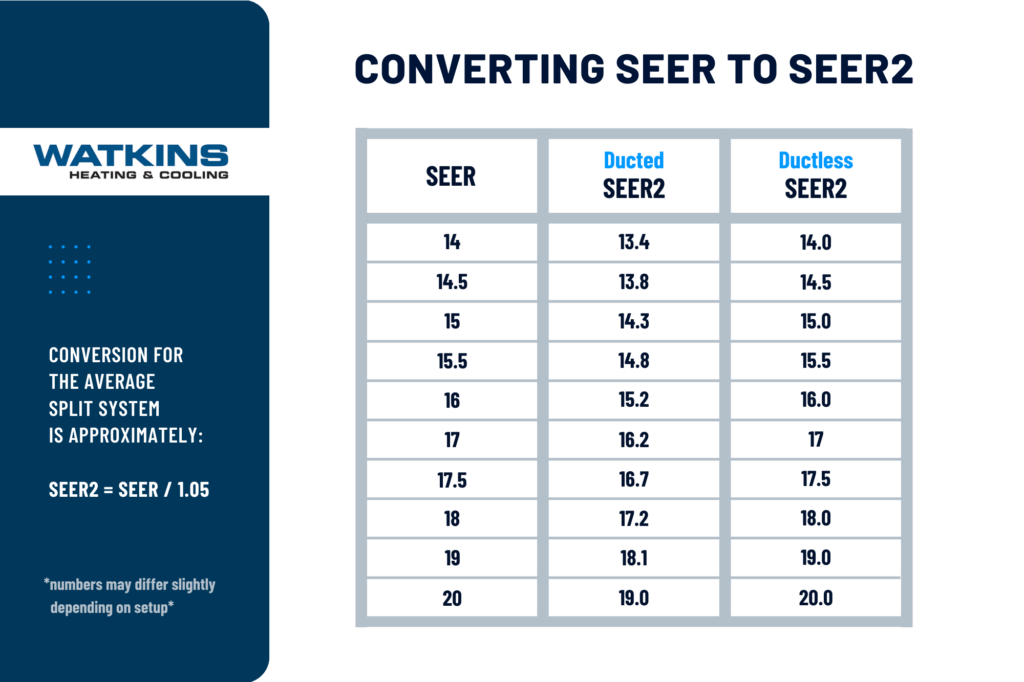
It’s all about getting a more accurate picture! The U.S. Department of Energy (DOE) updated its testing procedures in 2023. These new tests account for factors like static pressure more rigorously, leading to ratings that are a bit lower numerically than their old SEER counterparts, but ultimately more realistic. It’s like upgrading from an old flip phone to a smartphone – same core function, but a lot more sophisticated under the hood!
So, What's a Good SEER2 Rating?
Ah, the million-dollar question! The answer isn't a single magic number, but rather a range influenced by federal minimums, your budget, and your climate. As of early 2023, federal minimums for central air conditioners are typically 13.4 SEER2 for northern states and 14.3 SEER2 for southern states (with heat pumps generally starting at 14.3 SEER2 nationwide). Anything at or above these minimums is considered compliant.
But when we talk about "good," we're often aiming higher:
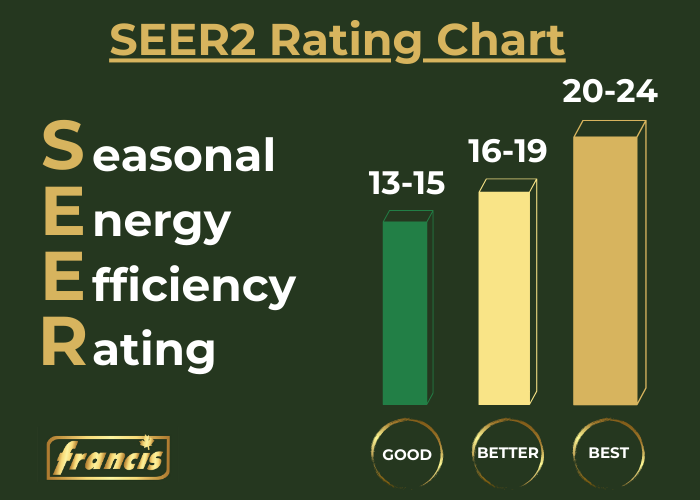
- Entry-Level Efficient (13.4 - 15 SEER2): These units meet or slightly exceed the minimums. They’re a solid, budget-friendly choice and still offer significant efficiency improvements over much older systems you might be replacing. You'll see some savings on your energy bills.
- Mid-Range Sweet Spot (16 - 18 SEER2): This is often where you find the best balance of upfront cost and long-term energy savings. Units in this range typically feature two-stage compressors or even variable-speed technology, meaning they can adjust their output to precisely match your cooling needs, leading to consistent temperatures and even greater efficiency. Many homeowners find this range to be the "just right" option.
- High-Efficiency Powerhouses (19+ SEER2): Welcome to the top tier! These systems offer maximum energy savings and often come with advanced features like variable-speed compressors, enhanced humidity control, and quieter operation. While the initial investment is higher, the long-term savings can be substantial, especially if you live in a hot climate or plan to stay in your home for many years. Plus, many utility companies offer rebates for these ultra-efficient systems, so always ask!
Fun Fact: The first modern air conditioner was invented in 1902 by Willis Carrier, not to cool people, but to control humidity for a printing plant in Brooklyn, NY. Comfort for humans was a happy side effect!
Beyond the Number: Other Factors to Consider
A high SEER2 rating is fantastic, but it's only one piece of the puzzle. To truly maximize your comfort and savings, also think about:
- System Matching: Ensure your outdoor unit and indoor coil are a matched pair. An efficient condenser won't perform optimally with an inefficient indoor component. Always trust a certified HVAC professional for proper installation.
- Proper Sizing: An AC unit that’s too large will cycle on and off frequently (short-cycling), wasting energy and failing to dehumidify effectively. One that’s too small will struggle to keep up. Goldilocks-style, it needs to be just right!
- Ductwork Integrity: Leaky ducts can lose up to 30% of your conditioned air before it even reaches your rooms. No SEER2 rating, however high, can overcome poor ductwork.
- Home Insulation: A well-insulated home holds onto conditioned air longer, reducing the workload on your AC. It's like putting a lid on a pot – helps keep the heat in (or out!).
- Smart Thermostats: Pairing your efficient system with a smart thermostat allows for programmed schedules, remote control, and even learning capabilities that further optimize energy use.
Connecting to Daily Life
Ultimately, understanding SEER2 isn't just about technical specs; it’s about making a smart investment in your home and lifestyle. A good SEER2 rating means you’re not just buying an appliance, you’re investing in consistent comfort, lower monthly bills, and a smaller environmental footprint. It’s the peace of mind knowing that when you crank up the AC on a sweltering day, you’re doing it efficiently. So, next time you're thinking about your home's cool factor, remember that little number – it holds the key to a happier, cooler, and more economical future!