Alright, settle in, grab your coffee – or maybe a lukewarm beverage, depending on your heat preferences – because today we’re tackling one of life’s great mysteries: What exactly is a good heat setting? It sounds simple, right? Just crank it up or dial it down. But oh, if only it were that easy! From thermostats to hair straighteners, laundry machines to ovens, the quest for the perfect warmth (or lack thereof) can feel like a high-stakes game of Goldilocks, only with more potential for burnt biscuits or shrunken sweaters.
Let’s be honest, we’ve all been there. Standing at the thermostat, locked in a silent battle with an unseen opponent (usually a partner or housemate) who clearly believes the house should either be an arctic tundra or a tropical rainforest. And what about that perfect shower? The one that’s not so hot it feels like your skin is trying to escape, but not so cold it makes you yelp loud enough to wake the neighbors? It’s a delicate dance, my friends, a true art form.
The Great Thermostat Debate
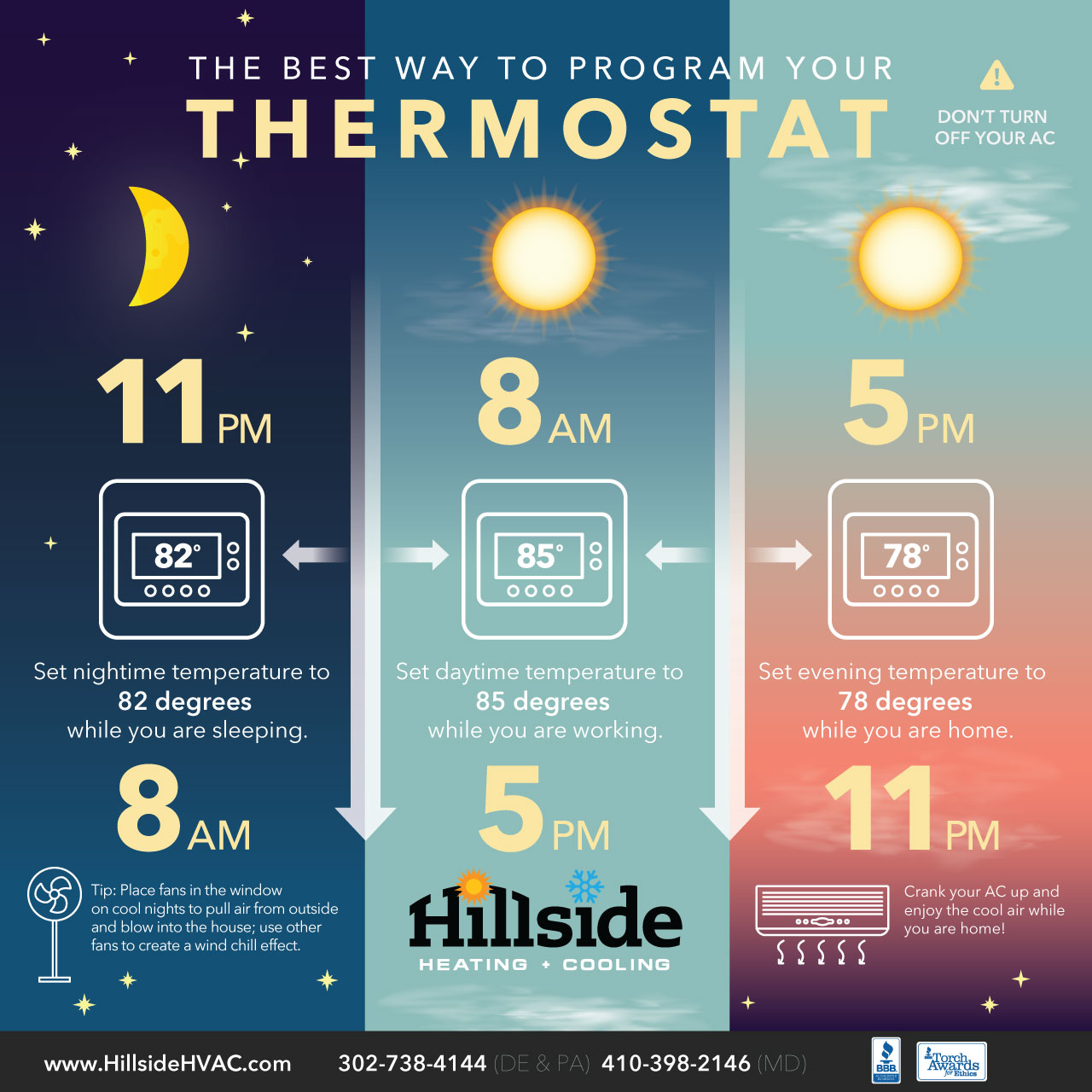
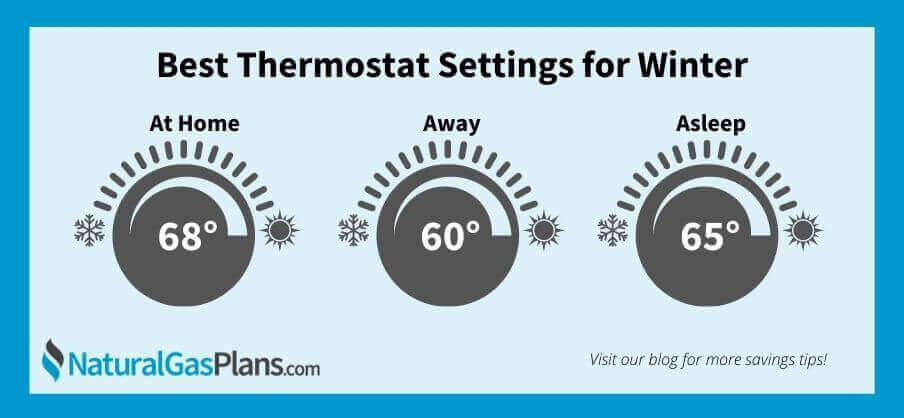
Ah, the thermostat. The source of endless domestic diplomacy. What’s the "good" setting here? Well, for most people, the sweet spot for home heating is somewhere between 68-72°F (20-22°C) during the day. At night, you might want to drop it a few degrees, especially if you’re one of those clever folks who likes to save a buck or two on the energy bill. Think of it this way: your house doesn't need a tan, and you certainly don't need to feel like you're auditioning for a role in a desert survival show.
But here’s a fun fact: did you know your body temperature naturally fluctuates throughout the day? It’s usually lowest in the early morning. So, that shivering you feel at 6 AM might not mean your house is an icebox, it just means your internal thermostat is on snooze. The key takeaway? Comfort is subjective. If you’re cold, grab a blanket. If you’re hot, open a window. It’s cheaper than starting a household feud over two degrees.
The Shower: A Tale of Two Extremes
Next up: the shower. This is where personal preference truly takes center stage. Some of us crave a scalding hot cascade that practically melts away the day's stress (and maybe a layer of skin, oops!). Others swear by the invigorating shock of a cold rinse, claiming it wakes them up better than any triple espresso. (I suspect those people are secretly polar bears.)
A good heat setting for a shower is typically around 105-115°F (40-46°C). Any hotter, and you risk drying out your skin, exacerbating skin conditions, or worse, looking like a freshly boiled lobster. Any colder, and well, you might just gain superpowers, or at least impressive lung capacity from holding your breath! Fun fact: hot showers relax muscles, while cold showers can boost circulation and alertness. So, depending on if you need to zen out or wake up, adjust your dial accordingly. Just try to avoid temperatures that could be used for sterilizing surgical instruments or freezing your limbs off.
Laundry Day: The Shrinkage Monster
Oh, laundry. The ultimate test of your heat setting prowess. You've got your delicates, your darks, your whites, your "I have no idea what this fabric is" pile. And looming over it all is the dreaded Shrinkage Monster, ready to devour your favorite sweater if you pick the wrong temperature.
Here’s the deal: for most clothes, especially everyday items, a good heat setting is warm or cold water. Hot water is excellent for heavily soiled whites and towels, as it helps sanitize and deep clean. But for most other things, especially anything with synthetic fibers or bright colors, warm or even cold water works wonders. Surprising fact: modern detergents are super-powered and often work just as effectively in cold water, saving you energy and preventing color fade. Plus, it’s a foolproof way to avoid turning your adult-sized T-shirt into a doll's outfit. When in doubt, always check the care label – it’s not just a suggestion, it’s a tiny, cryptic instruction manual from the fabric gods.
Culinary Heat: From Sizzle to Simmer
Now, let's talk about the kitchen, where heat settings are not just about comfort, but about creating edible masterpieces (or at least, avoiding culinary disasters). Whether it's your oven, stovetop, or grill, the right heat is paramount.
For ovens, it's pretty straightforward: follow the recipe! Baking is a science, and 350°F (175°C) means 350°F, not "roughly warm-ish." On the stovetop, things get a bit more nuanced. "Medium heat" can vary wildly from stove to stove. Generally: low heat is for simmering and gentle melting; medium heat is for sautéing and steady cooking; and high heat is for searing, boiling water, and convincing yourself you're a professional chef. Fun fact: the Maillard reaction, responsible for that delicious browning on toasted bread or seared meat, only happens at higher temperatures. So, sometimes, you really do need to crank it up for that irresistible crunch.
Hair Styling: Frizz or Fab?
Finally, let's talk about our precious locks. Hairdryers, straighteners, curling irons – these tools are fantastic, but misuse of their heat settings can turn your hair into anything from a frizzy mess to singed straw. A good heat setting here is all about hair type.
If you have fine or damaged hair, you want to stick to the lower heat settings (think gentle breeze, not hurricane). For thick or coarse hair, you can go a bit higher, but still, err on the side of caution. Generally, temperatures above 400°F (200°C) are considered risky for most hair types. Surprising fact: using a heat protectant spray is like putting sunscreen on your hair – it won't make you invincible, but it's a smart layer of defense. The goal is to style your hair, not to conduct a scientific experiment on how quickly keratin can vaporize. So, be kind to your strands!
So, what is a good heat setting? It turns out there's no single magic number. It's about context, common sense, and a dash of personal preference. It's about listening to your body, your clothes, your food, and yes, even your hair. Experiment, learn, and most importantly, try not to cause any household arguments or kitchen fires in the process. Happy heating!