
Okay, so you're scrolling through your phone, maybe trying to figure out if you should water your plants, and BAM! You see a notification: "Flash Flood Watch." Panic? Nah, not really. Confusion? Maybe a little. What even *is* that, right? It sounds serious, but also... vague.
Let's break it down, friend, over a nice imaginary cuppa. Consider this your weather-chat therapy session.
So, What's the Big Deal with a "Watch"?
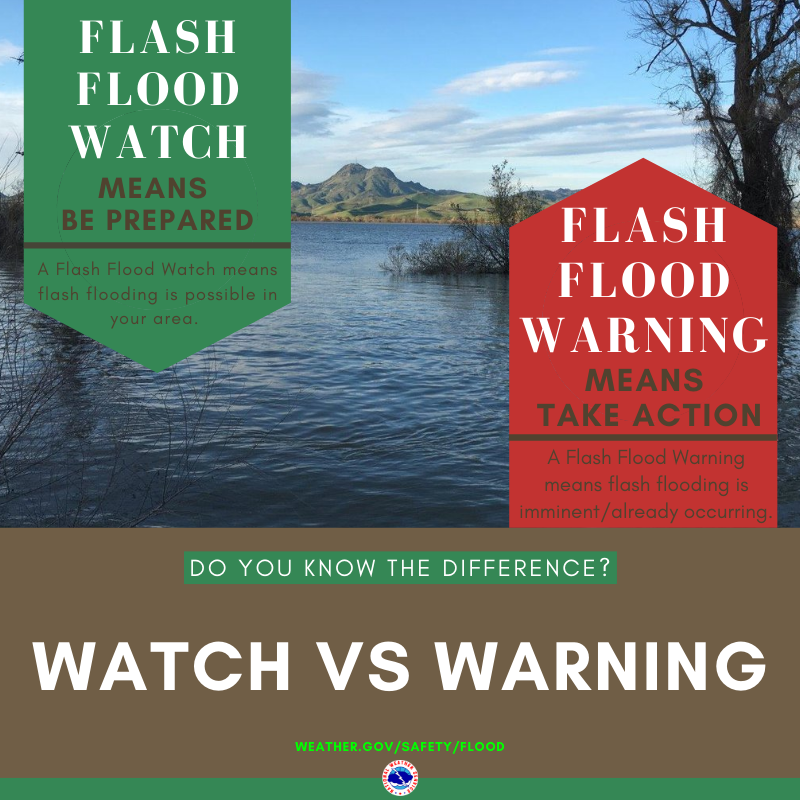
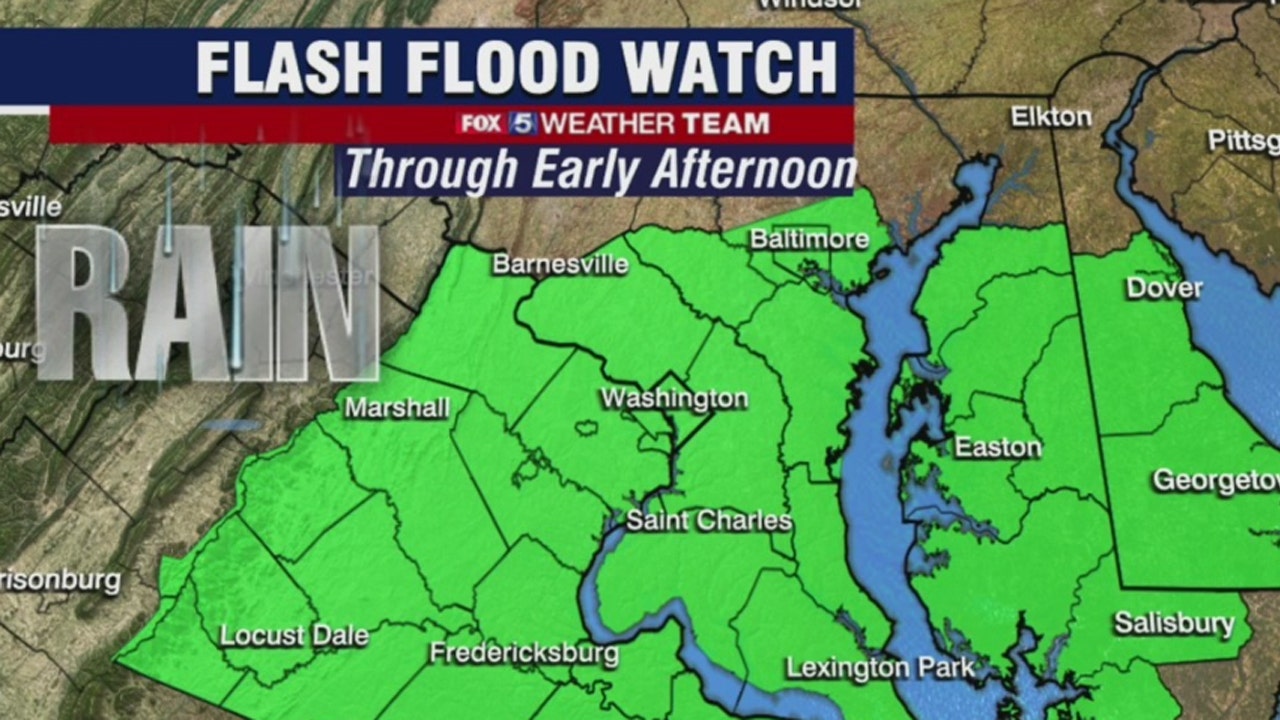
Think of a Flash Flood Watch like your super chill, super organized friend giving you a heads-up. They're not yelling "RUN FOR YOUR LIVES!" They're more like, "Hey, just so you know, the conditions are looking a little dicey later. Might want to pack an umbrella... or maybe a small ark." You get it?
It means the conditions are just right for flash floods to happen. We're talking heavy rain, maybe a storm that just *won't quit*, falling on ground that's already soaked, or in an area prone to quick runoff. Think of it as a weather wizard stirring a big pot, and all the ingredients for a flash flood are bubbling away.
It's a step *before* a warning. That's super important! A watch is like the weather service saying, "Heads up, buttercup! Things could get ugly." They're not saying it *will* happen everywhere, or even anywhere specific *yet*. But the potential is there. Like when you see dark clouds gathering and you think, "Hmm, maybe I shouldn't start that outdoor picnic."
Watch Out for What, Exactly?
A flash flood, my friend, is fast. Like, "Oops, I blinked and now my street is a river" fast. It's not your grandma's gentle, all-day rain shower that slowly fills up the gutters. No, this is rainwater that collects with alarming speed, often in low-lying areas, urban streets, small streams, or even dry creek beds that suddenly aren't so dry anymore.
Imagine your favorite coffee shop suddenly having a foot of water sloshing around. Not ideal, right? That's the kind of rapid change we're talking about. It can turn a normal street into a dangerous torrent in minutes. Seriously, just minutes. Poof!
So, What's a Savvy Friend Do During a Watch?
Okay, so you've got the heads-up. Now what? Do you board up your windows? Hide under the bed? Nah, let's keep it practical.
First, stay informed. This is prime time to keep an eye on local weather alerts. Tune into local news, check your phone, or shout at your smart speaker for updates. Is the watch still active? Has it escalated to a *warning*? (We'll get to that spicy number in a sec.)
Second, think about your surroundings. Are you in a low-lying area? Near a river or stream that's prone to overflowing? Planning a scenic drive through a canyon? Maybe rethink that last one. This is the moment to adjust plans, not necessarily cancel everything, but just be smart.
Third, and this is a biggie, have a plan B. If you live in an area that floods easily, what's your escape route? Where would you go? Just having that thought in your head takes a huge chunk of stress away if things *do* get serious. It's like knowing where the snacks are hidden – always good to have a mental map.
Watch vs. Warning: The Ultimate Showdown
Alright, let's clear up the biggest confusion point. You've got your Flash Flood Watch (conditions are ripe, be aware). Then there's the Flash Flood Warning.
A Flash Flood Warning means it's happening! Or it's about to happen *very soon* in a specific area. That's when the weather wizard isn't just stirring the pot, they're pouring it out directly onto your town. That's the time for immediate action, like seeking higher ground or following evacuation orders.
See the difference? Watch = "Hey, possible trouble ahead, keep an eye out." Warning = "Trouble is HERE, act NOW!" Got it? Good.
The Golden Rule: Turn Around, Don't Drown!
This one can't be stressed enough, my friend. If you see water covering a road, even if it looks shallow, do not drive through it. Seriously. It's not worth it.
Flash floods can hide all sorts of nasty surprises: washed-out roadbeds, debris, strong currents that can sweep your car away like a toy boat. Most flood-related deaths happen in vehicles. So, be smarter than the water! If you can't see the road, assume it's gone. Find another route, or just pull over and wait it out. Your life, and your car, are worth more than getting somewhere a few minutes faster.
Bottom Line, Buddy
A Flash Flood Watch is your friendly reminder to stay alert, not alarmed. It's a signal to pay a little extra attention to the weather, make smart choices, and be prepared for potential rapid flooding. It's all about being proactive, not reactive.
So, next time you see that notification pop up, you won't just stare at it blankly, right? You'll be like, "Aha! I know what's up. Time to keep an eye on things and maybe postpone that river tubing adventure." And that, my friend, is being a smart cookie. Stay safe out there!

.png?ixlib=rb-1.1.0&w=2000&h=2000&fit=max&or=0&s=a21186d3659cf240b51fa4430ea0915b)
