Hey there, electrical curious friend! Ever heard someone casually drop terms like "1 phase" or "3 phase" and felt your brain do a little electrical short circuit trying to figure out what they meant? Don't worry, you're not alone! It sounds super technical, but trust me, it’s not rocket science. Think of it more like deciding between a single-scoop ice cream cone and a triple-scoop sundae. Both are great, but for different cravings!
So, grab a comfy seat (and maybe a snack), because we're about to untangle the wires and demystify what 1 Phase and 3 Phase electricity actually are, all without needing a degree in electrical engineering. Promise!
What Exactly Is Electricity, Anyway? (Super Basic Version)
Before we dive into phases, let's just do a quick, super-duper simplified recap of electricity. Imagine it as a bunch of tiny, enthusiastic workers (electrons!) all moving in a line. When they move, they create energy that can power your gadgets. This movement isn't constant; it usually comes in waves. Think of it like ocean waves gently lapping the shore, or maybe a roller coaster track – up, down, up, down.
The Solo Act: 1 Phase Electricity
Alright, let's talk about 1 Phase. This is your home turf, your everyday power supply. It’s the electricity that lights up your living room, charges your phone, and keeps your fridge humming happily.
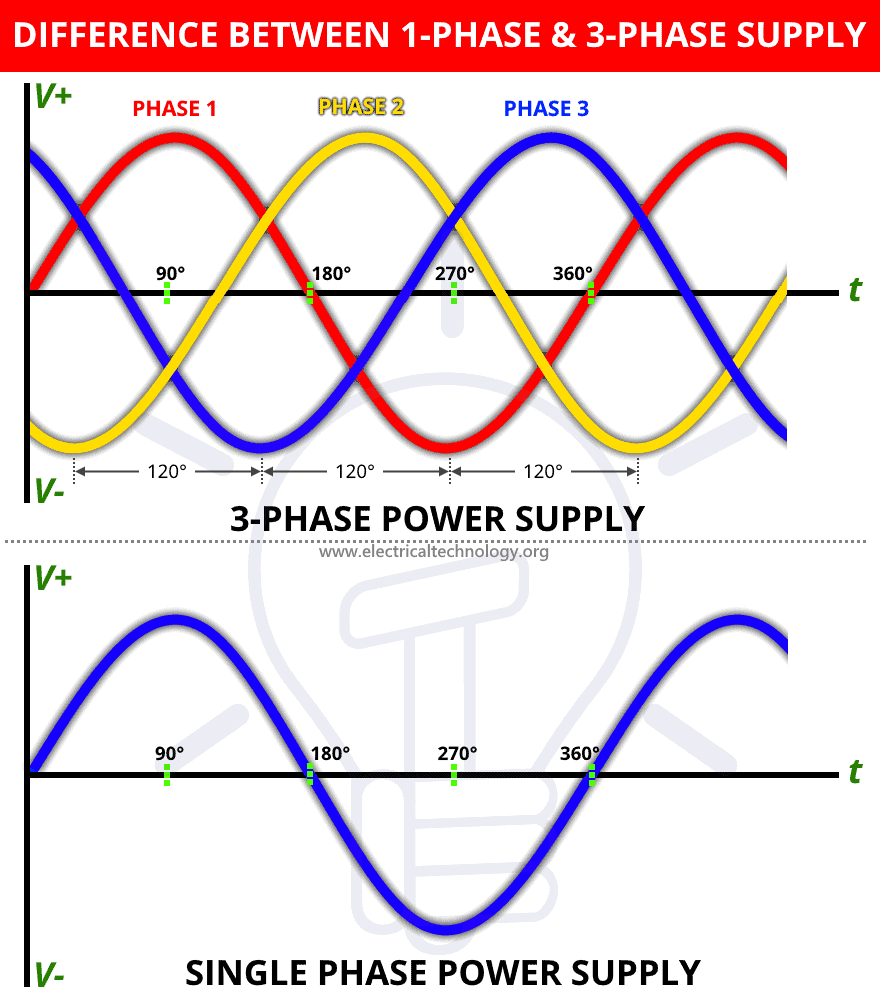
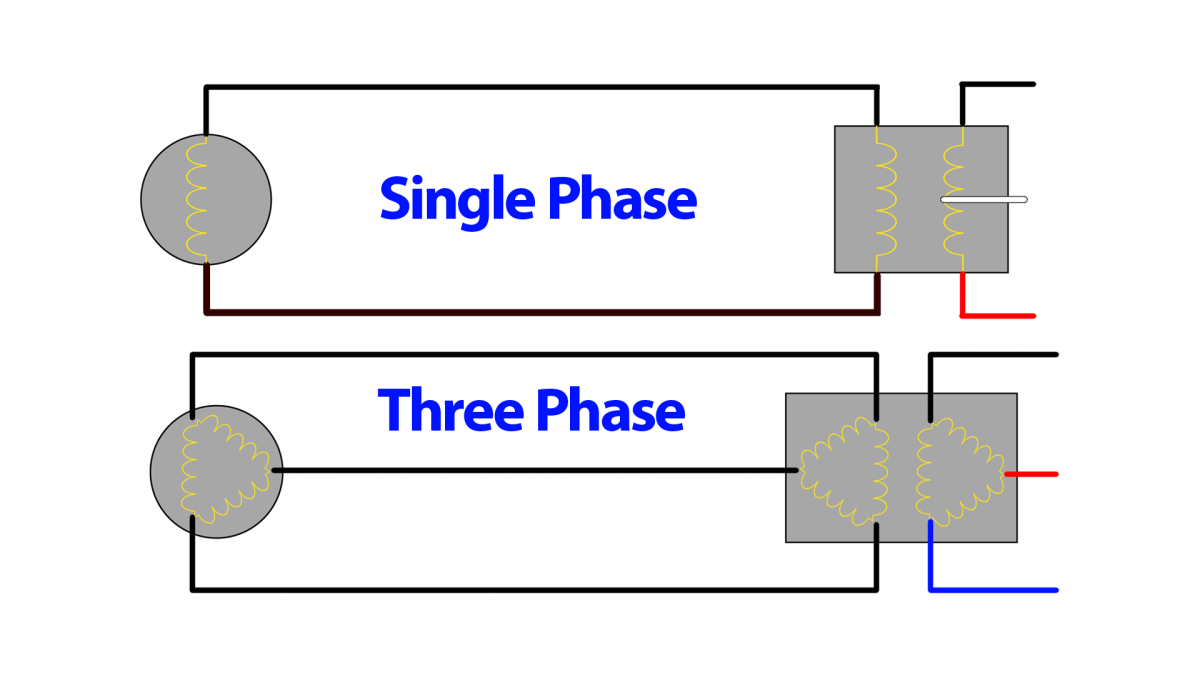
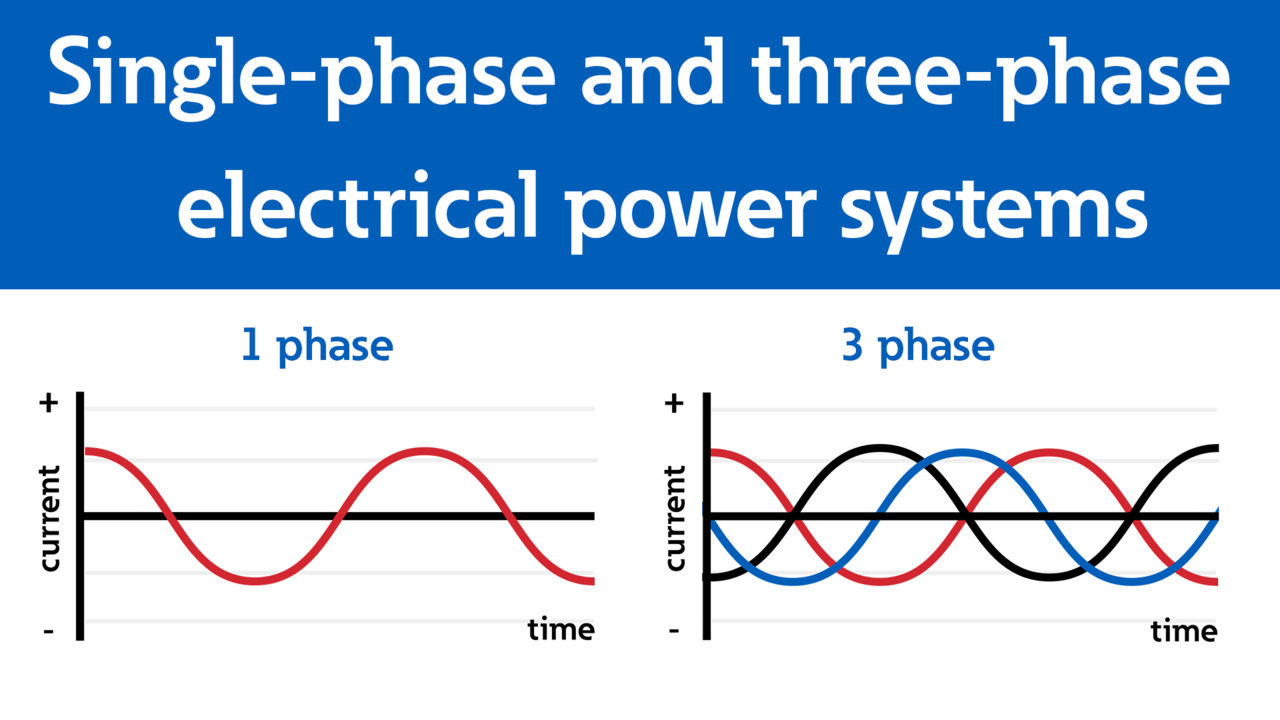
In a 1-phase system, you basically have one main electrical wave coming to your house. It travels along one "live" wire. (There's also a neutral wire, but let's not get too bogged down in the details, okay? Just know the live one brings the party).
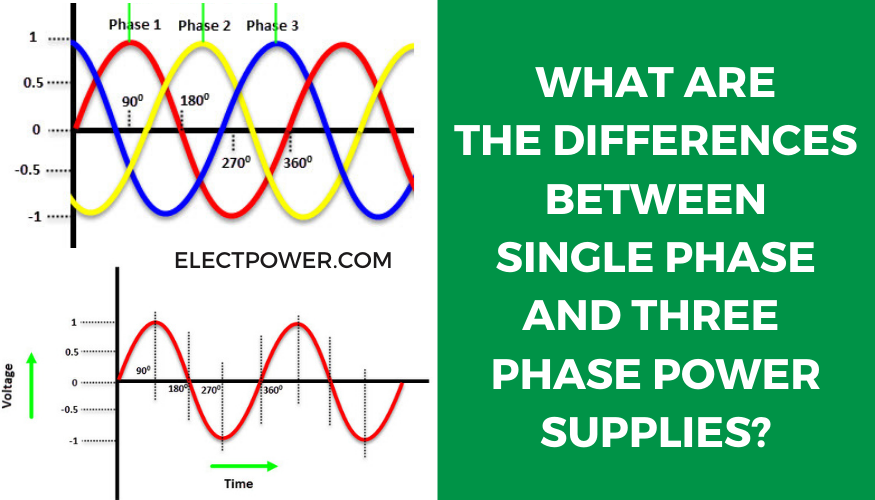
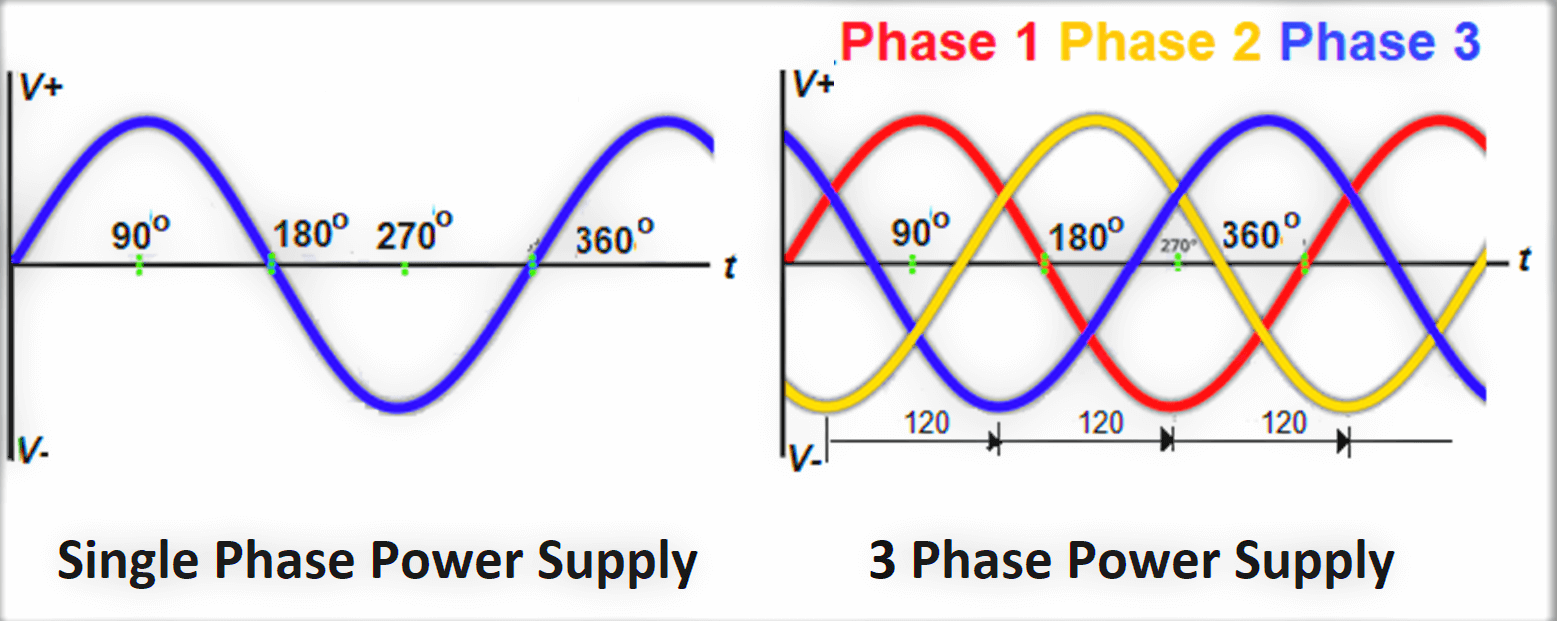
Imagine trying to push a swing with just one person. You push, the swing goes up, then it slows down a bit before you push again. There’s a peak of power, then a little dip, then another peak. It works perfectly for your microwave or your TV – they don't mind those tiny little power ebbs and flows because they're designed for it.
It’s simple, it’s usually cheaper to install for smaller applications, and it gets the job done for 99% of residential needs. So, next time you toast a bagel, know you’re using good old single-phase power!
The Power Trio: 3 Phase Electricity
Now, brace yourself for the big guns: 3 Phase electricity. This is where things get exciting, especially if you're a factory, a huge office building, or need to run some serious machinery.
Instead of just one electrical wave, a 3-phase system gives you three separate electrical waves. But here's the clever bit: they're all slightly out of sync with each other. Imagine them like three dancers, each starting their move a little bit after the last one.
Why is this brilliant? Because when one wave is dipping low, another one is usually peaking high. This means you get a much smoother and more consistent flow of power. It’s like having three people pushing that swing, but they’re all pushing at slightly different times, keeping the swing moving effortlessly, without any noticeable slowdowns.
Think of it like a multi-cylinder car engine versus a single-cylinder one. A single-cylinder engine has distinct power pulses (chug-chug-chug), while a multi-cylinder engine delivers power much more smoothly. That's the difference between 1 phase and 3 phase!
This constant, beefy power is absolutely essential for things like huge industrial motors, data centers, and those massive HVAC systems in shopping malls. They need unwavering power to operate efficiently and avoid those little "hiccups" that single phase might cause. Plus, it's generally more efficient for delivering large amounts of power over longer distances. More bang for your buck, energy-wise!
So, What's the Big Takeaway?
In a nutshell:
- 1 Phase: One wave of power, great for homes and small businesses. Think of it as a steady solo musician.
- 3 Phase: Three waves of power, staggered for a super smooth and powerful flow, perfect for big industrial stuff. Think of it as a powerful, synchronized band!
You won't typically find 3-phase outlets in your kitchen (unless you're running a commercial bakery from home, in which case, invite me over!). It's bigger, more complex to install, and designed for serious power demands. Your average toaster just doesn't need that kind of muscle!
A Little Zap of Knowledge!
And there you have it! From the cozy glow of your bedside lamp (1 phase) to the mighty hum of a factory (3 phase), electricity is always doing its clever thing behind the scenes. It's not just about turning things on; it's about *how* they turn on, and how smoothly and efficiently they run for their specific job.
Next time you plug something in or see a big industrial building, you’ll have a little extra understanding of the invisible magic flowing through those wires. Pretty cool, right? You're now officially a bit more electrically enlightened! Keep shining brightly!