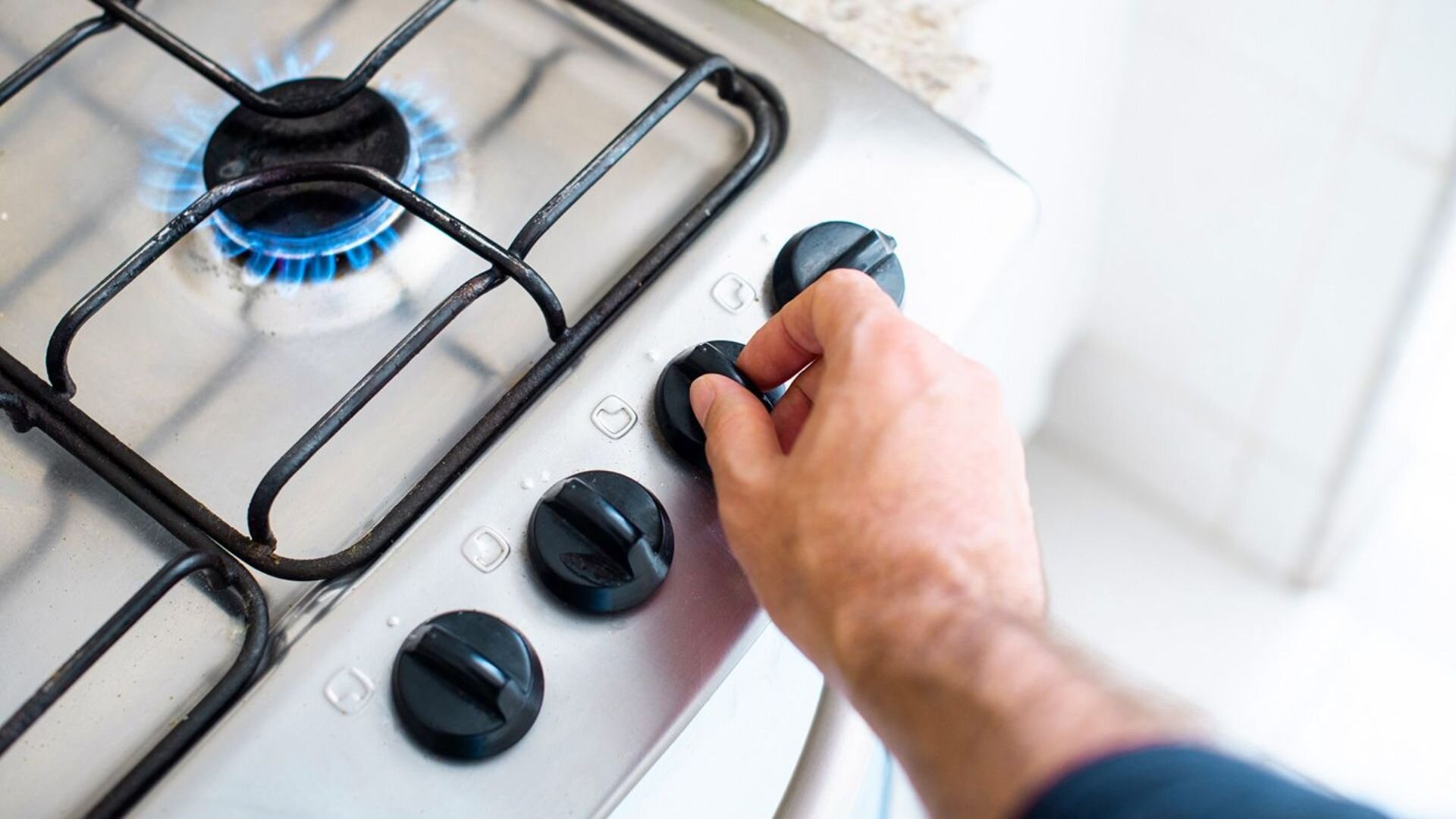
Ever wonder what kind of magic fuel actually powers your gas stove, making those delicious meals possible? It's a question many of us don't really think about until, well, maybe the flame flickers, or we move into a new place. But understanding what gas your stove uses is actually pretty fun and incredibly useful, giving you a better handle on your home and even your cooking!
This isn't just obscure trivia; it has real benefits for everyone. For beginners or new homeowners, knowing the fuel source is fundamental to understanding your appliances, ensuring safety, and even budgeting for utility costs. Families will appreciate this knowledge for safety reasons – knowing what to do if there's a leak or how to maintain their stove correctly. And for the home cooking hobbyist, a deeper understanding of your tools, right down to the fuel, can foster a greater appreciation for the cooking process itself. It’s all about being a more informed and confident kitchen master!
So, what's the big reveal? Most gas stoves in urban and suburban areas typically run on Natural Gas. This is the stuff that gets piped directly into your home from a utility company, often through underground lines. It’s primarily methane, an efficient and common fuel source. You usually don't have to worry about refilling it, as it's a continuous supply. However, if you live in a more rural area, have an outdoor kitchen, or your home isn't connected to a municipal gas line, your stove likely uses Propane, also known as LPG (Liquid Petroleum Gas). Propane is stored in large tanks, either outside your home or in smaller portable tanks, and needs to be refilled periodically. While both fuels burn similarly, they have different chemical compositions and require specific stove setups. A stove designed for natural gas can often be converted to use propane, and vice-versa, but it always requires a conversion kit and often professional installation to ensure safety and proper operation.
Ready to figure out what your stove sips? Here are some simple, practical tips. First, check your utility bills – if you're paying for "gas," it's almost certainly natural gas. If you have an outdoor tank or need to schedule refills, you're on propane. Your stove's user manual is also a goldmine of information, explicitly stating the intended fuel type. If you're buying a new stove or moving, always clarify which type of gas connection is available. And perhaps the most crucial tip: never guess or try to "make it work" if you're unsure. If in doubt, always consult a qualified professional or your gas utility company to confirm the fuel type and ensure everything is safely connected. Regular maintenance, like checking for leaks (that distinctive "rotten egg" smell!), is also key for either fuel.
See? Understanding what gas your stove uses isn't just about technicalities; it's about being more connected to your home, ensuring safety, and appreciating the simple pleasure of a well-cooked meal. With a little knowledge, you'll feel more empowered in your kitchen, making every cooking adventure a little bit smoother and a lot more fun!