Ever wondered about the secret sauce behind those luminous, timeless oil paintings? It's not just tubes of paint; there's a certain magic in getting down to the raw essence of it all. Imagine stepping back in time, past the neat studio setups, to a place where artists concocted their own vibrant hues from scratch. That’s the heart of what we’re talking about when we peek into the world of raw oil – not crude petroleum, but the beautiful, fundamental building blocks of oil paint itself.
For the artist, hobbyist, or even the curious casual learner, delving into raw oil painting offers a truly transformative experience. It’s about more than just applying color; it’s about a deeper connection to your materials. You learn the personality of each pigment, how it interacts with the binder, and the subtle variations that make each stroke unique. This hands-on approach can foster a remarkable sense of control and understanding, empowering you to create textures and effects that off-the-shelf paints simply can’t replicate. It’s an exercise in mindfulness, a tactile journey back to basics that can surprisingly unleash new creative possibilities.
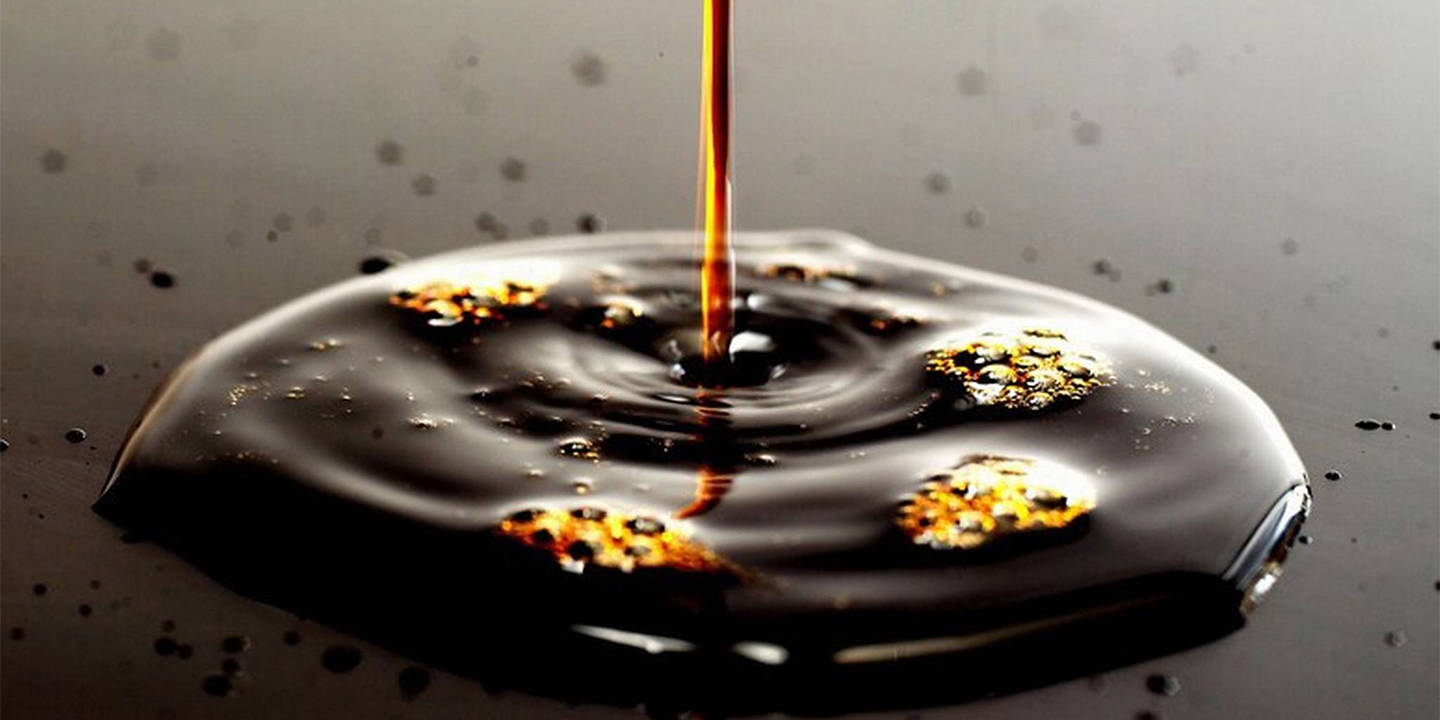
So, what does this wondrous raw oil look like in action? Picture a mound of earthy pigment – perhaps a deep ultramarine powder, sparkling like crushed gems, or a rich Sienna, warm as baked earth. Then, envision a golden, viscous pool of linseed oil, ready to bind these particles into a luscious paste. When you combine them, you get something utterly unique. Think of the intense, velvety blacks of Rembrandt, achieved through painstakingly ground pigments, or the thick, sculptural impasto of Van Gogh, where the paint itself becomes a landscape. Modern abstract artists often lean into the raw, unblended quality, letting the inherent texture and color of the pure materials speak for themselves. You see brushstrokes that aren't just lines of color, but strokes of pure, unadulterated pigment and binder, alive with textural energy and incredible depth.
Ready to get a little delightfully messy? Starting with raw oil at home is simpler than you might think! Begin with a few artist-grade powdered pigments – cadmium red, ultramarine blue, and titanium white are great starters. Grab some cold-pressed linseed oil and a glass muller or even a sturdy palette knife. On a non-porous surface like a glass palette, slowly mix a small amount of pigment with a few drops of oil until it forms a smooth, workable paste. Don't rush the process! Enjoy the transformation from dusty powder to creamy paint. Experiment with different ratios to achieve varying consistencies, from thick, buttery impasto to thin, translucent washes. Remember, patience is your best friend here, and embracing a bit of playful imperfection is part of the charm.
Ultimately, engaging with raw oil painting is a profound act of creation. It's about stripping away the commercial packaging and reconnecting with the ancient roots of art. The joy comes from that intimate process – the grinding, the mixing, the moment the dry powder blossoms into a vibrant, living color under your touch. It’s a sensory experience that grounds you, inspires you, and reminds you that sometimes, the most beautiful art emerges when we embrace the pure, unrefined magic of our materials. So go ahead, get your hands a little oily, and discover the thrilling world where art truly begins!