Ever stumble upon a string of letters that just makes your brain do a little confused jig? Like when you’re looking at a gas bill or reading something about energy, and suddenly there it is: Mcf. Your eyes scan, your brow furrows, and a little voice in your head screams, "What in the world does Mcf stand for gas?!" You're not alone. We’ve all been there, feeling like we need a secret decoder ring just to understand the basics of our modern world.
Decoding the Mystery: Mcf
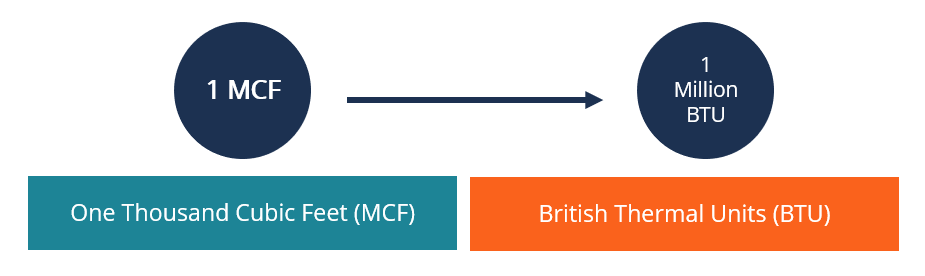
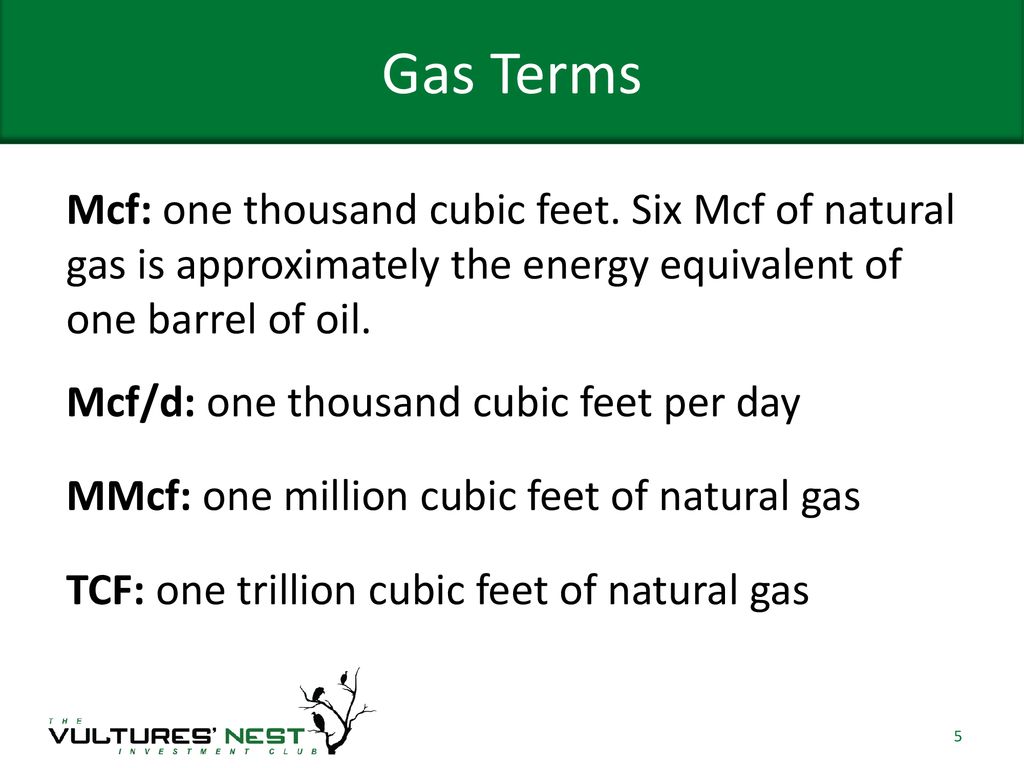
Let's tackle this beast head-on. The good news is, once you know it, you know it. The slightly less good news is, it's a bit quirky. So, what does Mcf stand for when we're talking about gas? It’s a unit of measurement, specifically for the volume of natural gas. And here's the breakdown, letter by slightly confusing letter:
- The M stands for thousand.
- The c stands for hundred.
- The f stands for cubic feet.
Wait, what? A thousand hundred cubic feet? Yes, you heard that right. This is where the playful head-scratching begins. In Latin numerals, 'M' means a thousand. And 'C' means a hundred. So, Mcf literally translates to "a thousand times a hundred cubic feet" if you take it strictly. But in the world of gas measurement, Mcf is universally understood to mean one thousand cubic feet. We know, we know. It's like they wanted to make it just a touch more mysterious than it needed to be.
I mean, couldn't they have just said "1,000 cubic feet" or "kcf" for kilo-cubic feet? But no, the gas gurus of yesteryear decided on Mcf, and so it stuck. It’s the kind of historical quirk that makes you wonder if they were just trying to see who was paying attention.
So, to be crystal clear, when you see Mcf, think of it as a handy shorthand for measuring a hefty chunk of natural gas. It’s just another way of saying 1,000 cubic feet. Imagine a box that's ten feet long, ten feet wide, and ten feet high. That's 1,000 cubic feet. That’s one Mcf of gas. Enough gas to power a home for a while, depending on your usage, of course!
Why So Complicated, Gas People?
You might be asking, "Why use this specific, slightly convoluted term?" Good question! The truth is, many industry-specific terms evolve over time, often rooted in historical practices or specific needs. For measuring large volumes of natural gas, especially in commercial transactions or production reports, it's simply a common, established unit. It’s similar to how we might say "a dozen" instead of "twelve units" – it’s just the accepted jargon in the energy world. It helps engineers, accountants, and industry professionals quickly understand and communicate volumes of gas without writing out "one thousand cubic feet" repeatedly.
Even though it might seem like a secret handshake at first, Mcf is a practical way for the gas industry to talk about gas. When you read about gas prices, production volumes, or even your own gas consumption (if you have a really big gas bill!), Mcf is often the unit you'll encounter. It’s the benchmark for buying, selling, and managing gas resources globally.
It's like finding out your favorite band's name actually means something completely different in another language. A little confusing, a little charmingly odd, but ultimately, it's just part of the identity.
So, the next time you spot Mcf staring back at you from a news article or a utility statement, you can now confidently nod your head, perhaps with a slight, knowing smirk. You’re in on the secret. You understand the quirky language of gas measurement. You know that behind those three little letters lies not a riddle, but simply one thousand cubic feet of gas.
It's one of those little nuggets of information that, once you learn it, makes you feel just a tiny bit smarter about the world around you. And who doesn't love feeling a tiny bit smarter, especially when it comes to decoding those everyday mysteries? Now go forth and impress your friends with your newfound knowledge of Mcf!