Hey there, friend! Ever looked at a lump of coal – maybe one you saw in an old movie or even a decorative one – and wondered, "What on earth do people *actually* use that stuff for?" Good question! It’s not just for stocking stuffers for naughty kids, I promise. This unassuming black rock has been a real workhorse throughout history, powering a surprising number of things in our modern world.
Let's dig in (pun totally intended!) and uncover some of coal's biggest jobs.
Powering Our Lives: Electricity!
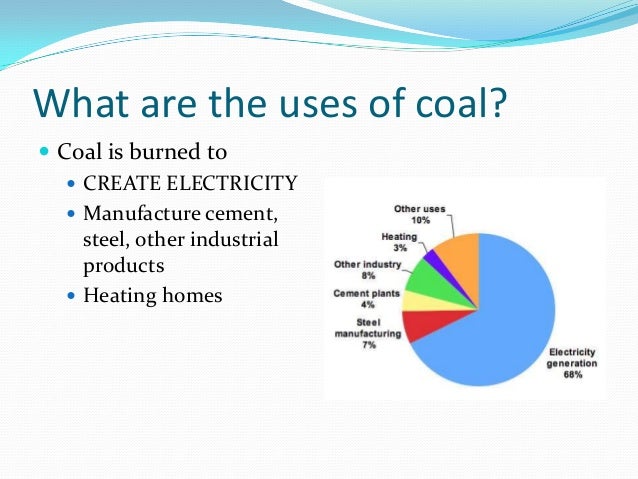
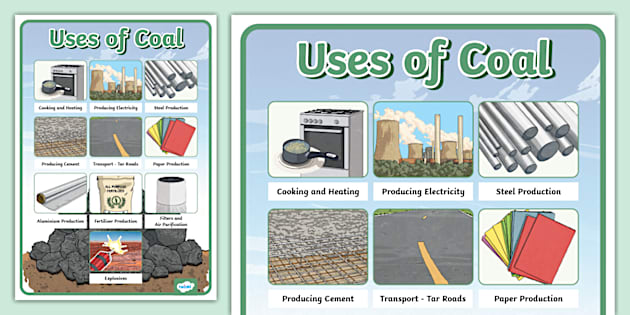
Okay, let's start with the big kahuna: electricity generation. This is probably the most famous, or infamous, use of coal. Globally, a significant chunk of our power grid still gets its juice from coal. How does it work? Well, it's a bit like a giant, very efficient tea kettle!
Coal is burned in massive power plants, and that heat boils water to create super-hot, high-pressure steam. This steam then spins huge turbines, which in turn power generators that produce, you guessed it, electricity! So, when you flip a light switch, charge your phone, or binge-watch your favorite show, there’s a good chance that humble lump of coal played a part somewhere along the line. It's like the ultimate hot potato game, but with more steam and less burning fingers.
The Building Blocks of Modern Life: Steel and Cement
Beyond just making sparks, coal is also a crucial ingredient in some of the most fundamental materials around us.
Making Strong Stuff: Steel
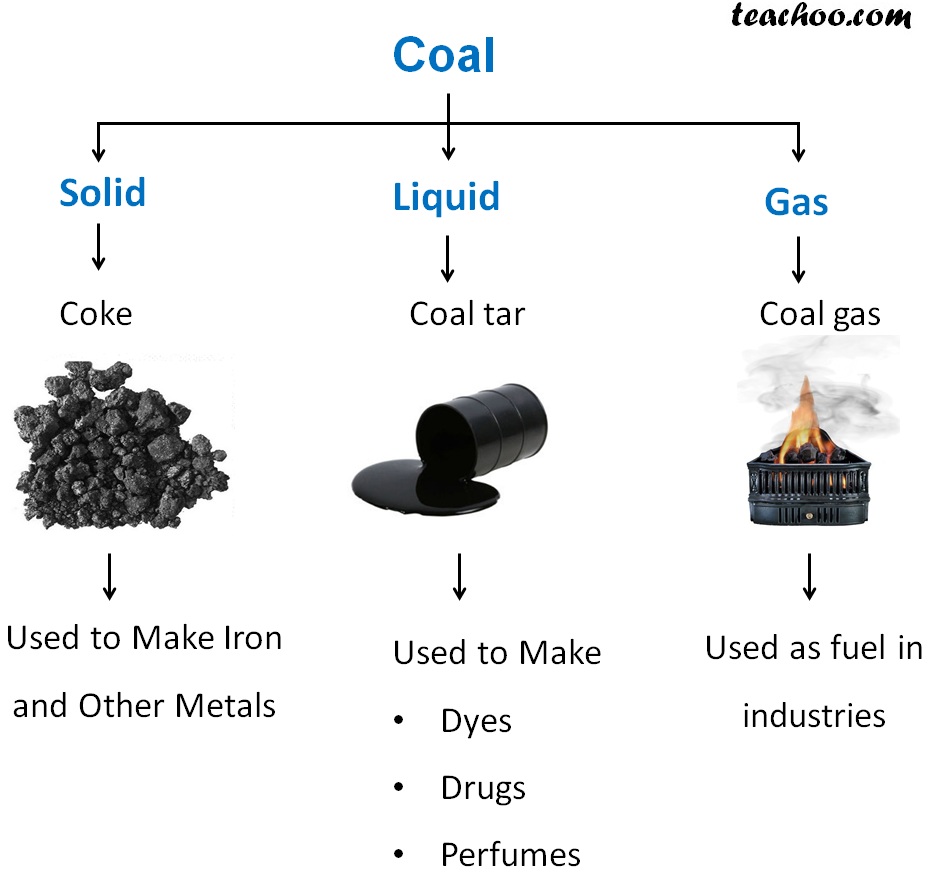
Believe it or not, a special type of coal, called metallurgical coal (or coking coal), is absolutely essential for making steel. It’s not just burned for heat here! This coal is heated in the absence of air to create something called "coke." Coke is a porous, carbon-rich material that acts as both a fuel and a reducing agent in blast furnaces, pulling oxygen out of iron ore to create pure iron, which then becomes steel.
Think of it as coal's glow-up; it's transformed into something even more useful than just plain old fire. Without coke, making new steel from iron ore would be incredibly difficult and expensive. So, your car, your fridge, even the beams in your building? They probably owe a debt to coal.
Mixing It Up: Cement
Another huge industrial use for coal is in the production of cement, which is the "glue" that holds concrete together. Cement kilns need incredibly high temperatures to transform raw materials into cement clinker. Coal is a widely used and efficient fuel source for these kilns, providing the intense heat necessary for the chemical reactions to occur.
So, next time you see a sturdy concrete bridge or sidewalk, give a little nod to coal for helping provide that rock-solid foundation. (Don't worry, the bridge won't nod back, that would be weird.)
A Dash of Chemical Magic (and a Bit of History!)
Way back when, and still in some places today, coal was also used as a chemical feedstock. It could be gasified to produce synthetic gas (syngas), which then could be converted into liquid fuels, plastics, fertilizers, and a whole range of other chemical products.
It’s a bit less common now as other sources have become more prevalent, but it just goes to show you how versatile this seemingly simple rock can be. Back in the day, coal was quite the chemist!
Keeping Cozy: The Old-School Way
Before fancy thermostats and heat pumps were everywhere, home heating was a very common use for coal. Many homes had coal-fired furnaces or fireplaces that kept families warm during chilly winters. While much less common in developed countries today due to environmental concerns and the availability of cleaner alternatives, some regions still use coal for domestic heating. It’s certainly a more nostalgic, "grandma's house" kind of use now!
So, there you have it! From lighting up our cities to forming the backbone of our infrastructure, coal has been a real unsung hero (or maybe just a quietly impactful one!) for centuries.
It's amazing how a simple black rock, pulled from the earth, has had such a profound impact on human civilization. While we're all looking toward a future filled with innovative, cleaner energy sources – and rightfully so! – it's still pretty fascinating to appreciate the immense role coal has played. It's a testament to human ingenuity, finding ways to harness the resources around us to build and power our world. And that, my friend, is something worth smiling about!