Ever wondered about those mysterious little grey fluff balls that gather under your sofa or dance in a sunbeam? They’re more than just "dirt" – they're a fascinating, tiny ecosystem, and understanding what creates dust in your home can be surprisingly fun and incredibly useful! It’s a universal household phenomenon, a bit of a low-stakes mystery that’s right under our noses, making it a popular topic for anyone who wants a cleaner, healthier living space without feeling overwhelmed.
For beginners, wrapping your head around dust isn't about becoming a cleaning fanatic, but about demystifying what that fluffy stuff actually is. It helps you understand why it keeps coming back and empowers you with simple knowledge. For families, grasping the origins of dust translates directly into creating a healthier environment. Knowing what's in the air can help reduce allergens, improve indoor air quality, and even be a fun, educational topic to share with kids about keeping things tidy. And for those who are a bit more inclined towards being a home environment hobbyist, or just someone keen on optimizing their living space, delving into dust sources can inform better choices in air filters, cleaning routines, and even décor, leading to a more efficient and comfortable home.
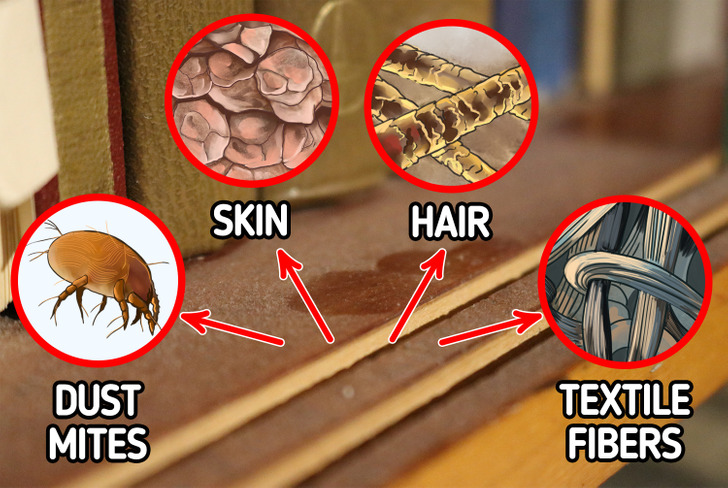
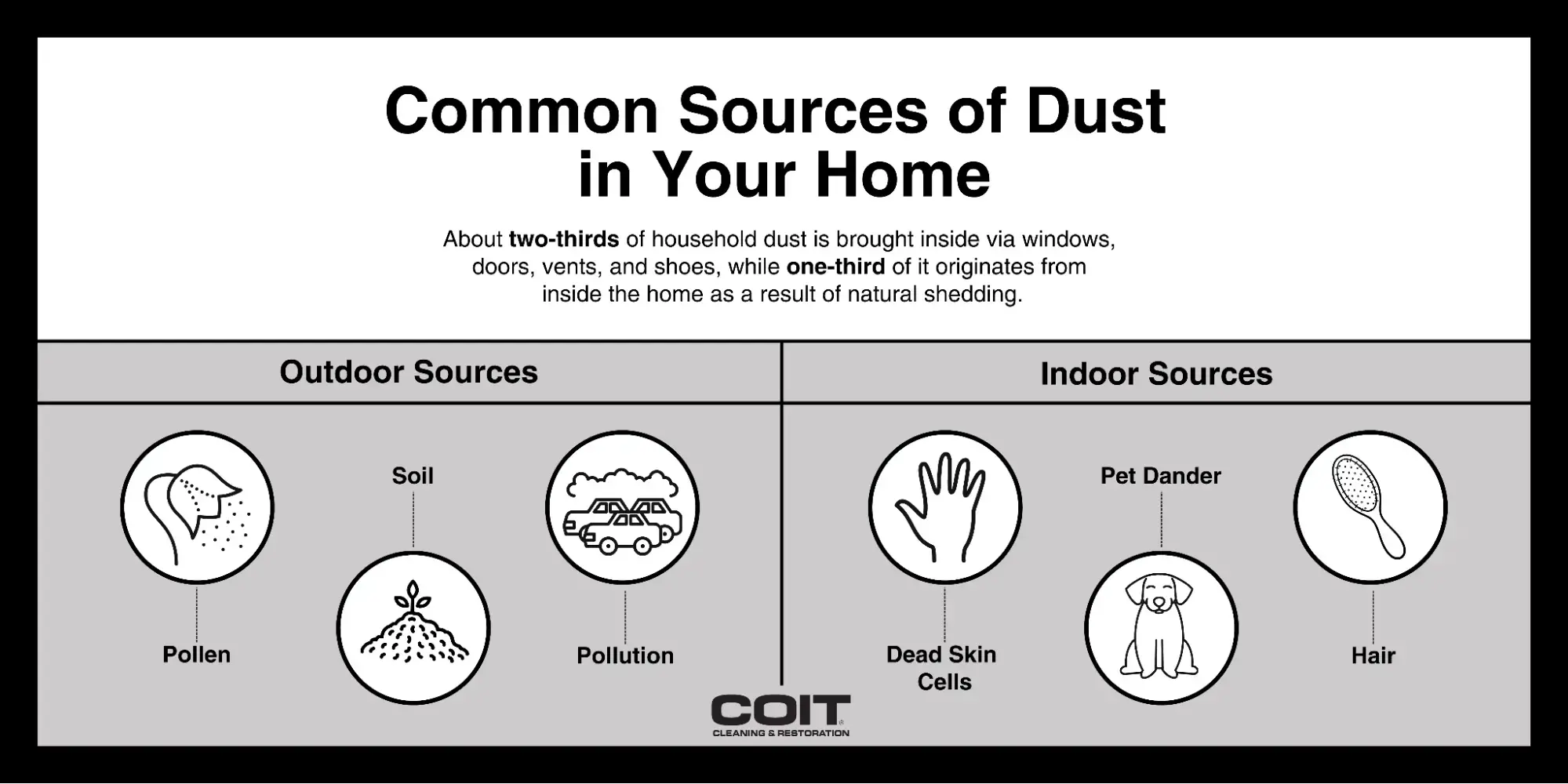
So, what exactly makes up those infamous dust bunnies? Prepare to be fascinated! A huge chunk of household dust, often estimated to be around 70-80%, comes directly from... us! That's right, our own bodies are major contributors in the form of dead skin flakes and hair. Every time you scratch your arm or comb your hair, you're adding to the mix. Our beloved pets are also major players, shedding dander (tiny flakes of skin) and hair that become airborne. Beyond our biological contributions, another significant source is our clothing and home textiles. Fibers from carpets, rugs, upholstery, curtains, and even the clothes in your laundry basket constantly break off and settle. Think about the lint trap in your dryer – that's a concentrated example of fabric fibers becoming dust!
But it's not all from within. A considerable amount of dust makes its way indoors from the outside world. This includes pollen, soil particles, exhaust fumes, and microscopic bits of plants and insects that drift in through open windows, doors, or even on your shoes. Even everyday activities contribute: tiny paper fragments from books and documents, food crumbs, and believe it or not, the waste products of dust mites themselves, which thrive on all these organic materials, add to the dust accumulation.
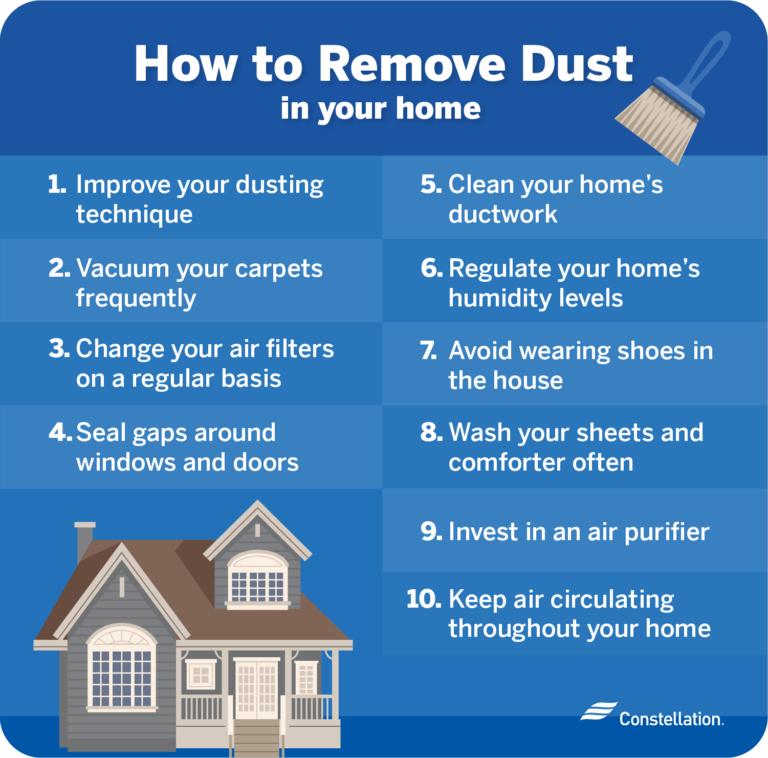
Getting started on managing this ubiquitous household element doesn't require extreme measures. Simple, practical tips can make a big difference. First, invest in a good quality microfiber cloth for dusting – it grabs and holds dust rather than just pushing it around. Dampen it slightly for even better results. Second, vacuum regularly, especially if you have carpets, and consider a vacuum cleaner with a HEPA filter to trap tiny particles. Third, don't forget to regularly change or clean your furnace and air conditioning filters; they’re designed to trap airborne particles. Finally, try to reduce clutter, as fewer surfaces mean fewer places for dust to settle and fewer items to wipe down.
Understanding what creates dust isn't just about cleaning; it’s about appreciating the dynamic environment of our homes. It highlights how connected we are to our surroundings, from our skin to the outside air. By knowing the sources, we gain a simple yet powerful tool to create a more comfortable, healthier, and perhaps a little less dusty living space – and there’s real value in that!