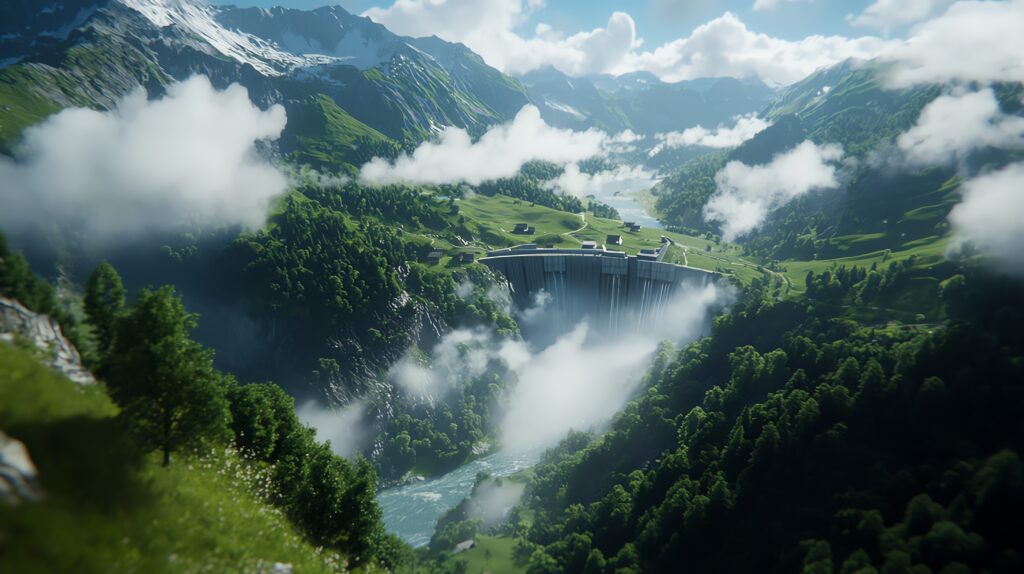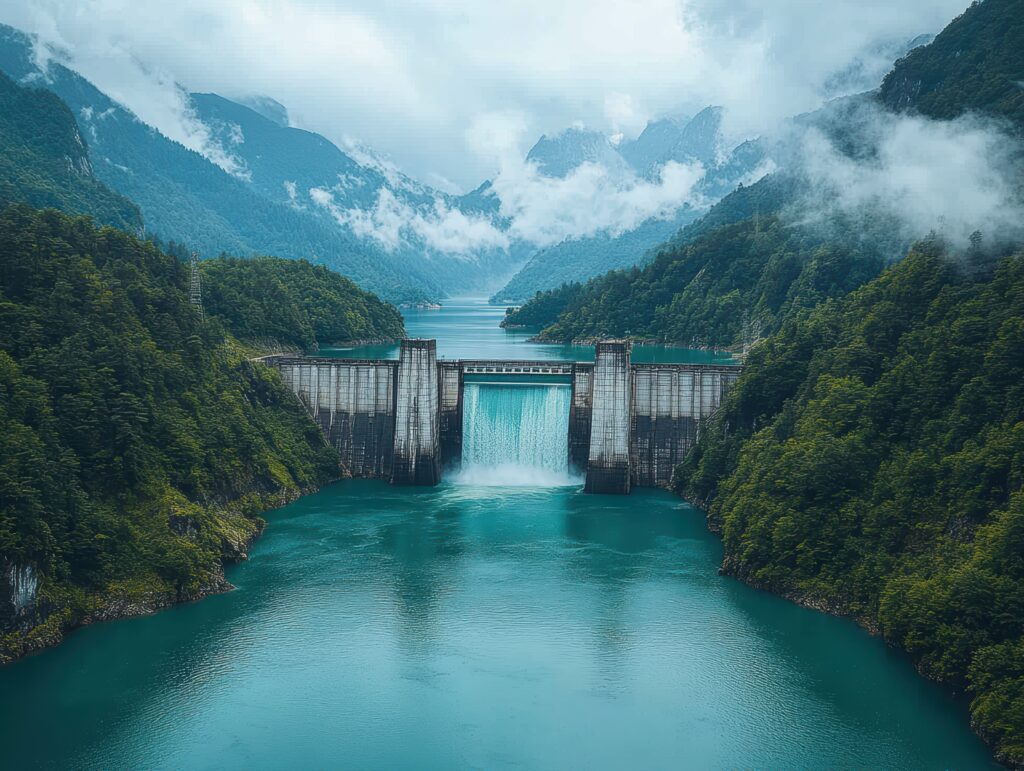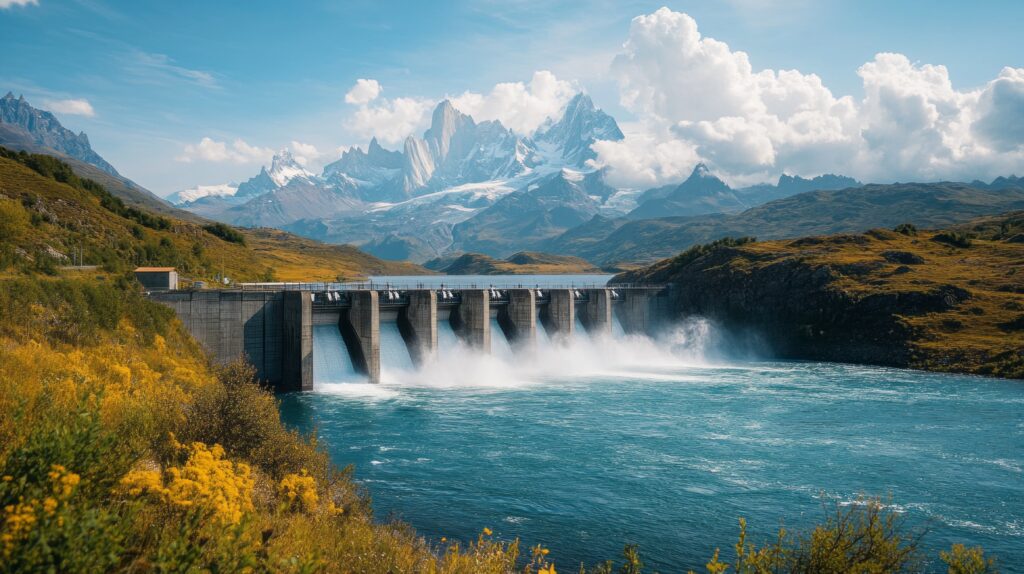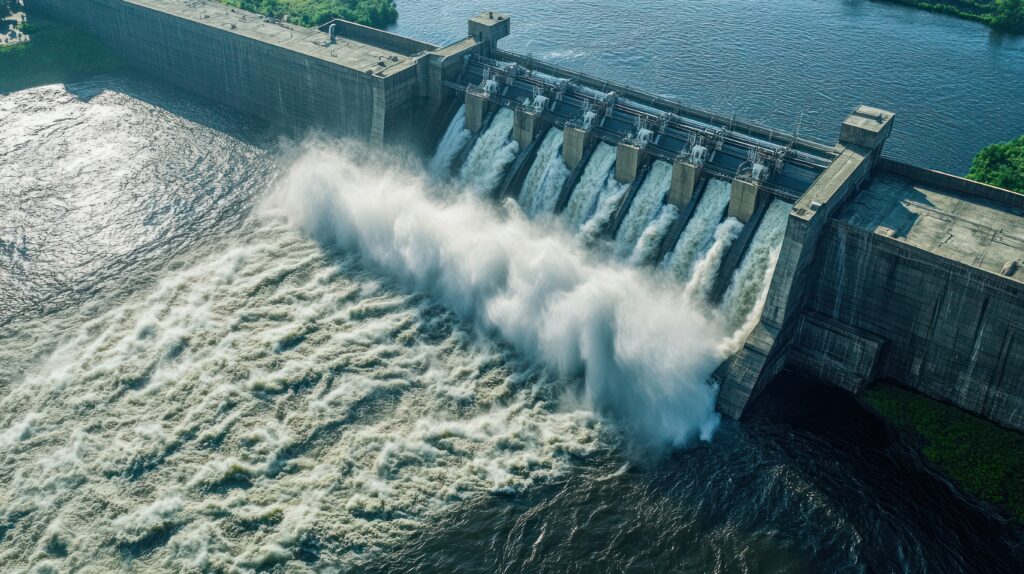
Alright, folks, gather 'round! Pull up a chair, grab a latte (or something stronger – no judgement here), because we're about to dive headfirst into the swirling, gurgling world of... *hydropower*! You know, dams? Big walls holding back water? What could *possibly* go wrong?
Now, before you picture me as some tree-hugging, granola-munching eco-warrior (though, I *do* like granola…), let’s get one thing straight: hydropower ain’t all rainbows and butterflies. It's more like rainbows and slightly…displaced ecosystems. Let’s break it down, shall we?
Flooding: Making New Real Estate (But Also...Not)
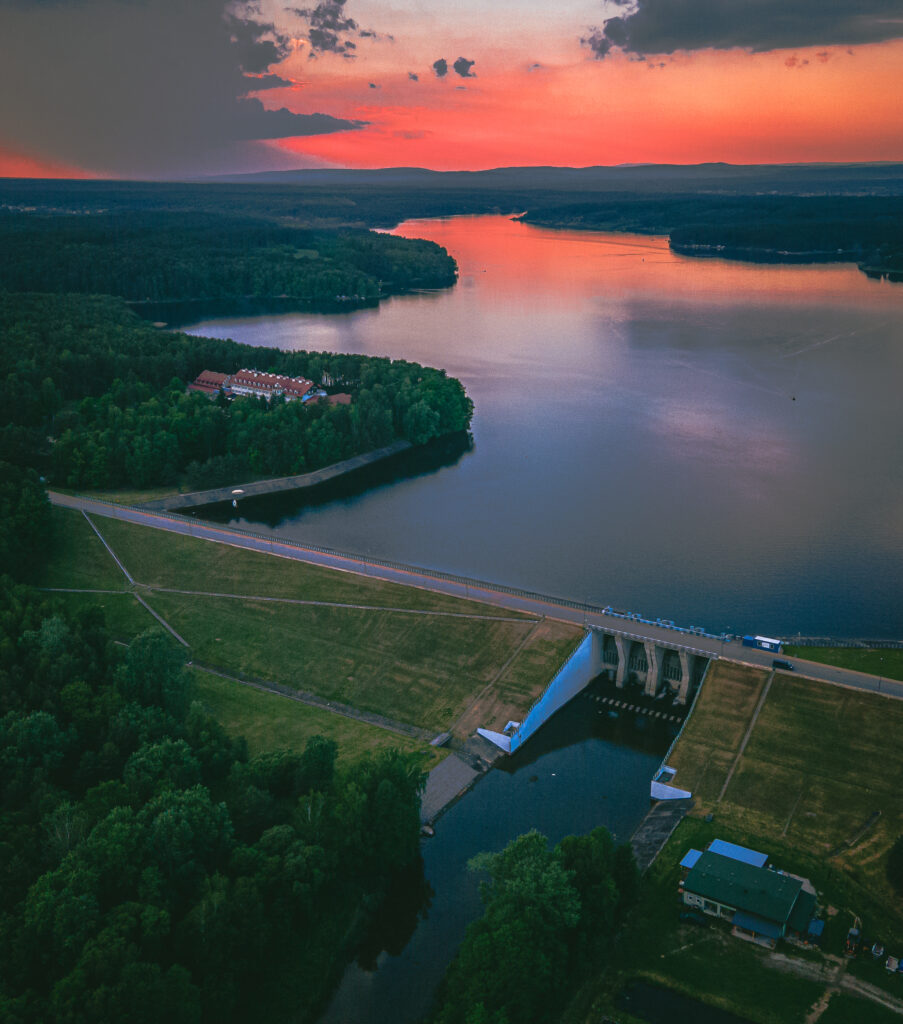
The first, and most obvious, impact is flooding. I mean, duh. You build a giant wall, you’re gonna end up with a lake where, just moments before, some innocent trees and probably a few grumpy beavers were minding their own business. On the plus side, waterfront property values probably skyrocketed! For the fish, that is… before they realized their entire neighborhood had been converted into an Olympic-sized swimming pool.
Okay, okay, jokes aside, the flooding isn't just about disgruntled beavers. We're talking about potentially submerging entire ecosystems. We're talking about displacing communities. We're talking about losing valuable farmland and archaeological sites that are now chilling with the fishes. It’s like accidentally deleting your entire hard drive and realizing the only backup was a dusty floppy disk from 1998. Ouch.
River Blues: A Fishy Situation
Next up: the rivers themselves. You see, rivers are kinda like the arteries of the planet, flowing merrily along, carrying all sorts of vital stuff. Building a dam is like putting a giant tourniquet on that artery. Suddenly, everything downstream is getting less… everything. Less sediment, less nutrients, less flow, less life.
And then there are the fish. Oh, the poor fish. Imagine trying to run a marathon, but every few miles, you have to scale a 300-foot wall of concrete. That’s pretty much what it’s like for salmon trying to swim upstream to spawn. Some dams have fish ladders, which are basically fish-sized staircases. But let's be honest, they are not always successful. It's like building a tiny escalator for a marathon runner made of scales - they are likely to pass! And even if they do manage to climb the ladder, the reservoir water might be too warm or lacking the right nutrients, making it a real struggle for their little fishy spawn.
Methane Madness: A Gassy Problem
Here’s a fun fact that’ll really spice up your next cocktail party: hydropower reservoirs can actually release greenhouse gases! I know, right? You thought hydropower was all clean and green, but it turns out, when you flood a bunch of organic matter (like trees and plants), it decomposes underwater. And that decomposition process releases methane, a greenhouse gas that's way more potent than carbon dioxide. It's like Mother Nature's own swamp gas generator! Now, before you panic, it's important to note that the amount of methane released varies *wildly* depending on the location and climate. Some reservoirs release a lot, some release very little. But it’s something to keep in mind before we start damming every river on the planet.
Sediment Snafu: The Downstream Dilemma
Remember how I said rivers carry sediment? Well, dams block that sediment. Now, sediment might sound boring, but it’s actually super important. It replenishes beaches, fertilizes floodplains, and provides habitat for all sorts of critters. Without sediment, downstream erosion can become a major problem. Think crumbling coastlines and starving ecosystems. It's like trying to bake a cake without flour – you end up with a gloppy mess that nobody wants to eat.
Plus, all that sediment that's *not* going downstream is building up behind the dam, eventually reducing the reservoir's capacity. So, you end up with a dam that's less efficient and more prone to…well, let's just say you don't want to be around when that thing fails. No one wants a sediment-induced tsunami.
The Upside?
Okay, I’ve painted a pretty bleak picture, haven’t I? But don’t despair! Hydropower *does* have some serious advantages. It’s a renewable energy source, which means it doesn’t rely on fossil fuels. It can provide a reliable source of electricity, and it can also help with flood control and irrigation. And let’s be honest, those giant dams are pretty darn impressive feats of engineering. It's like a modern-day pyramid scheme...except for water!
The key, as always, is balance. We need to carefully weigh the pros and cons of each hydropower project, considering the specific environmental impacts and finding ways to minimize them. We can also explore alternative energy sources like solar and wind power, and try to reduce our overall energy consumption.
So, the next time you flip on a light switch, take a moment to think about where that energy comes from. And maybe send a little mental thank you (or apology) to the nearest fish. They’re probably having a rough day.