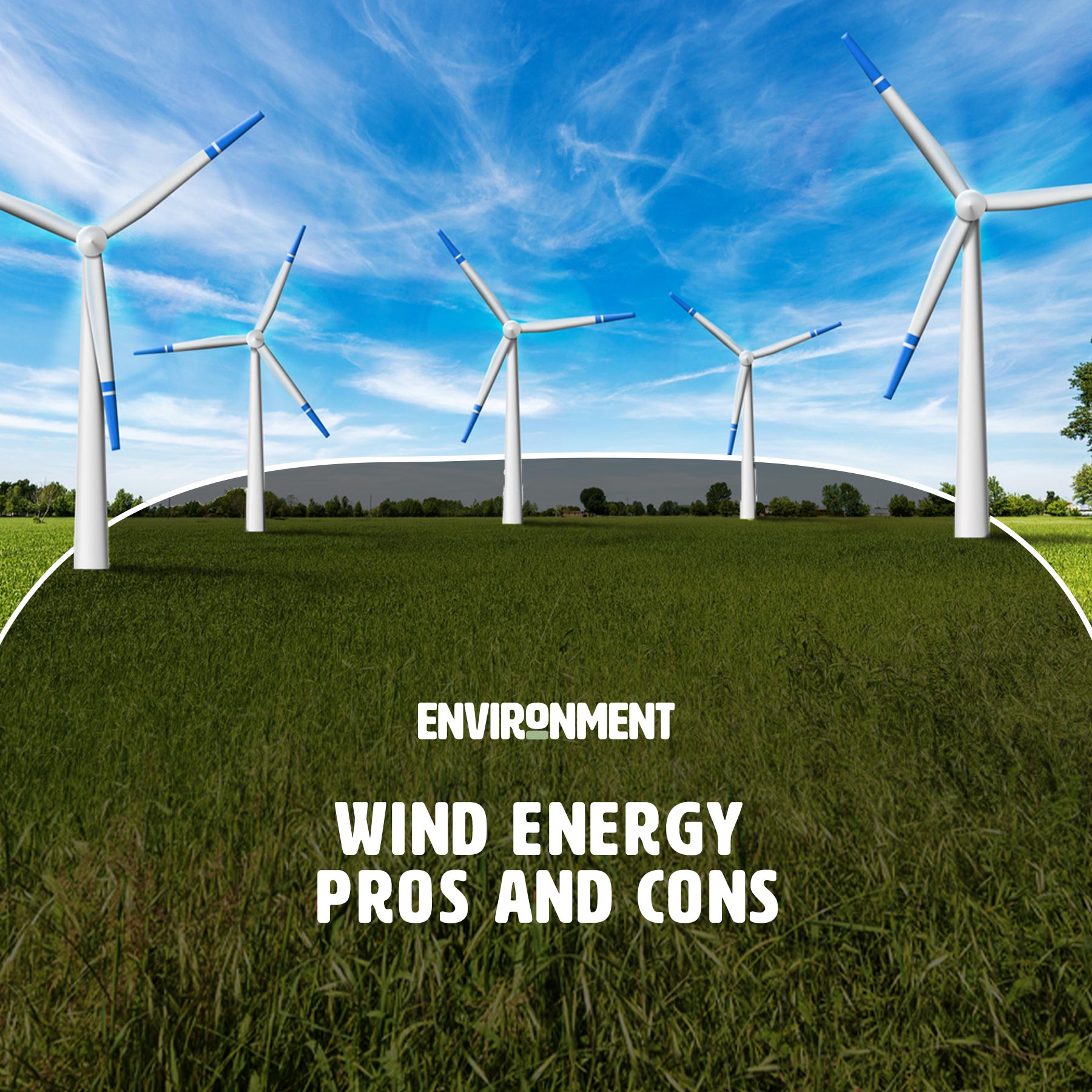
There's something undeniably captivating about watching a windmill gracefully spin, harnessing the invisible power of the wind. Perhaps it's the sense of ingenuity, or maybe it's the romantic image of a cleaner, more sustainable future. Whatever the reason, wind energy has steadily gained popularity as a viable alternative to traditional fossil fuels, and for good reason. It offers a compelling way to power our lives while minimizing our impact on the planet.
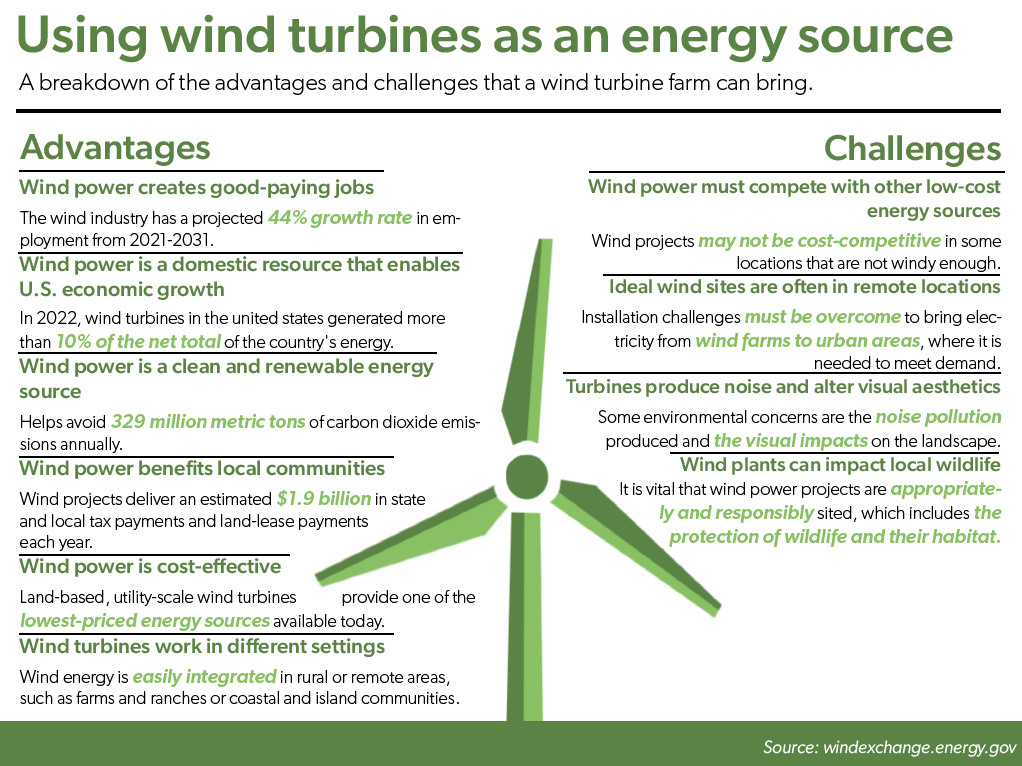
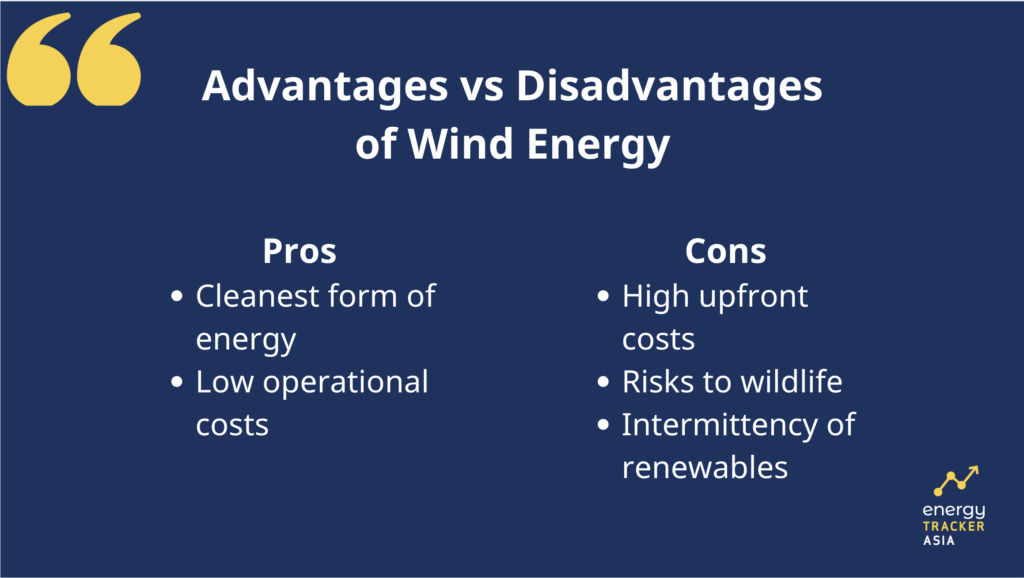
The primary benefit of wind energy is its sustainability. Unlike fossil fuels, wind is a renewable resource, meaning it won't run out. As long as the sun shines and creates atmospheric pressure differences, we'll have wind. This makes it a crucial tool in the fight against climate change. Wind turbines don't emit harmful greenhouse gases during operation, significantly reducing our carbon footprint compared to coal-fired power plants or natural gas facilities.
Furthermore, wind energy contributes to energy independence. By utilizing locally available wind resources, countries can reduce their reliance on foreign fuel imports, strengthening their energy security. This can lead to greater economic stability and control over energy prices.
You'll find wind energy applied in various ways, from massive wind farms dotting rural landscapes to smaller, individual turbines powering homes or businesses. Large-scale wind farms feed electricity into the grid, providing power to thousands of homes. Smaller turbines are often used in remote areas where access to the grid is limited, offering a reliable source of electricity for off-grid living or backup power.
However, wind energy isn't without its drawbacks. One of the main concerns is its intermittency. Wind speed fluctuates, meaning electricity generation is not always consistent. This requires backup power sources or energy storage solutions to ensure a reliable supply of electricity. Another challenge is the visual impact of wind turbines. Some people find them aesthetically unpleasing, particularly when they are located in scenic areas.
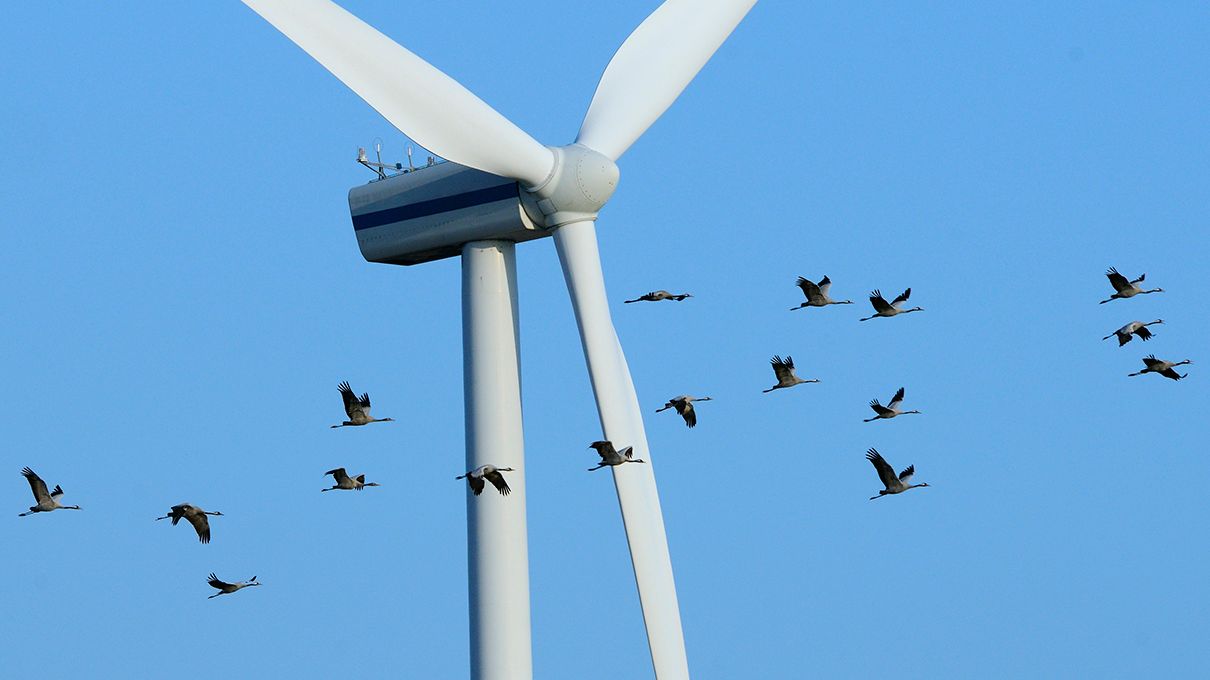
Then, there's the potential impact on wildlife. Wind turbines can pose a threat to birds and bats, although advancements in turbine design and careful site selection can significantly minimize these risks. Noise pollution is another concern, although modern turbines are much quieter than older models.
So, how can we enjoy the benefits of wind energy more effectively while mitigating its drawbacks? Investing in research and development is crucial. This includes improving turbine efficiency, developing better energy storage solutions (like advanced batteries or pumped hydro storage), and finding ways to better predict wind patterns. Supporting policies that incentivize wind energy development, while also prioritizing environmental protection, is also essential. This includes careful site selection to minimize impact on wildlife and communities.
Ultimately, wind energy plays a vital role in creating a cleaner, more sustainable energy future. While challenges remain, ongoing innovation and responsible development practices will continue to unlock its potential and make it an even more effective and widely adopted source of power.