Isn't it amazing how we can flip a switch and have instant light, binge-watch our favorite shows, or charge our phones without giving a second thought to where that power comes from? We're so used to electricity being readily available, it's easy to forget the complex systems that bring it to our homes. And a big part of that system, for many places around the world, is hydroelectricity – harnessing the power of water to generate the energy we rely on daily.
But how does it all work, and is it really as great as it sounds? Let's dive into the world of hydroelectricity, exploring its advantages and its potential disadvantages.
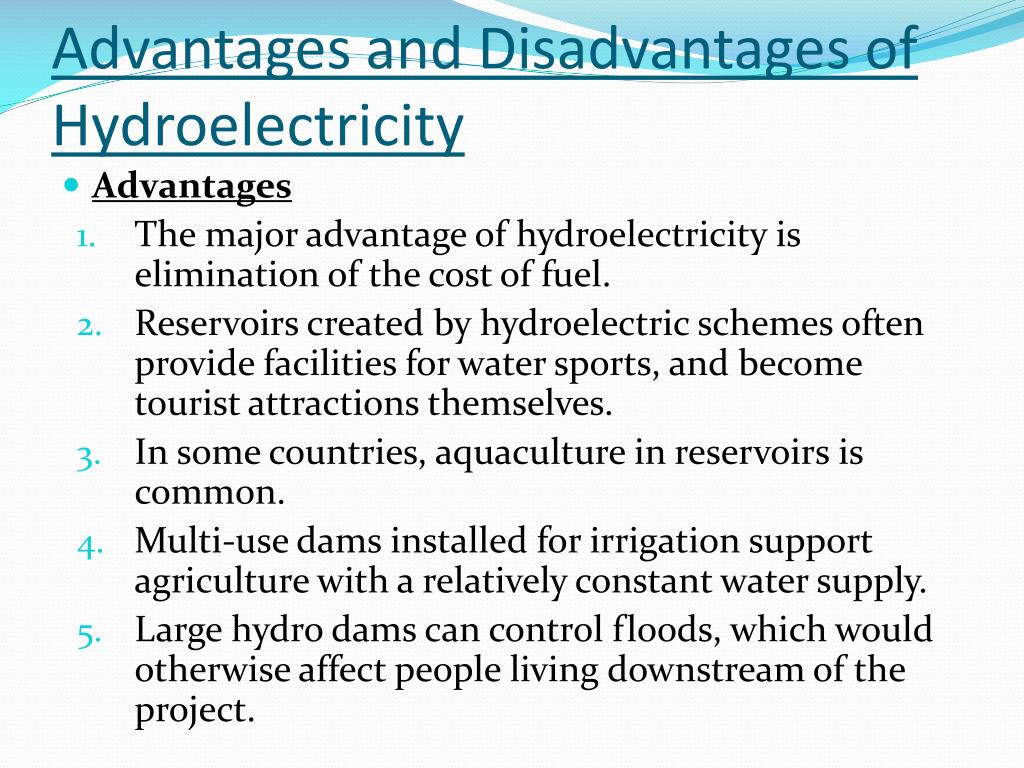
One of the biggest benefits of hydroelectric power is that it's a renewable energy source. Unlike fossil fuels that are finite and contribute to air pollution, water is constantly replenished through the natural water cycle. This makes hydroelectricity a relatively clean way to generate power, reducing our reliance on fossil fuels and helping to combat climate change. Moreover, hydroelectric dams can also help control floods and provide a reliable source of water for irrigation, drinking, and industrial use. Think of the Hoover Dam in the United States or the Three Gorges Dam in China – these monumental structures not only generate massive amounts of electricity but also play a crucial role in managing water resources.
Hydroelectric power plants are also remarkably efficient. They can quickly adjust to changing energy demands, providing a stable and reliable power supply. Plus, once a hydroelectric dam is built, the operating costs are relatively low, making it a cost-effective source of energy in the long run.
However, it's not all smooth sailing. The construction of hydroelectric dams can have significant environmental impacts. The flooding of land behind the dam can lead to the displacement of communities and the destruction of ecosystems. Dams can also alter the natural flow of rivers, disrupting fish migration patterns and affecting water quality. This can have devastating consequences for aquatic life and the livelihoods of people who depend on those resources.
Furthermore, the initial construction costs for hydroelectric dams are incredibly high. It requires substantial investment and careful planning, and it can take years to complete a large-scale hydroelectric project. This means that hydroelectricity may not be a viable option for all regions or countries, particularly those with limited financial resources.
So, how can we enjoy the benefits of hydroelectricity more effectively while minimizing its drawbacks? It's a complex question that requires a balanced approach. We can support policies that promote sustainable hydropower development, which prioritizes environmental protection and community involvement. This includes conducting thorough environmental impact assessments before building new dams and implementing mitigation measures to minimize the negative effects on ecosystems and local communities. We can also invest in research and development to improve dam designs and technologies, making them more environmentally friendly and efficient.
Ultimately, the future of hydroelectricity depends on our ability to find innovative solutions that harness the power of water in a responsible and sustainable way. By carefully considering both the advantages and disadvantages, we can make informed decisions about how to integrate hydroelectricity into our energy mix and ensure a cleaner, more sustainable future for all.