Let's be real. We all love our creature comforts. A warm home in winter, a cool breeze in summer, and lights bright enough to find that rogue sock. But what if I told you that saving energy doesn't have to feel like a monastic vow? It can actually be quite simple, even a little bit fun. Or, at the very least, less painful than you think.
Forget the scary graphs and complex calculations. This isn't about becoming an energy guru overnight. It's about tiny tweaks, small nudges, and perhaps a healthy dose of playful rebellion against wasteful habits. Prepare to smile, maybe nod in reluctant agreement, and discover your inner energy-saving superhero.
The Great Light Switch Conspiracy
Turn It Off! (Gasp!)
Ah, the humble light switch. So often ignored, so frequently left in the "on" position. We leave a room for "just a second," which somehow turns into an hour. Then we wander back in and gasp. "Who left this light on?"
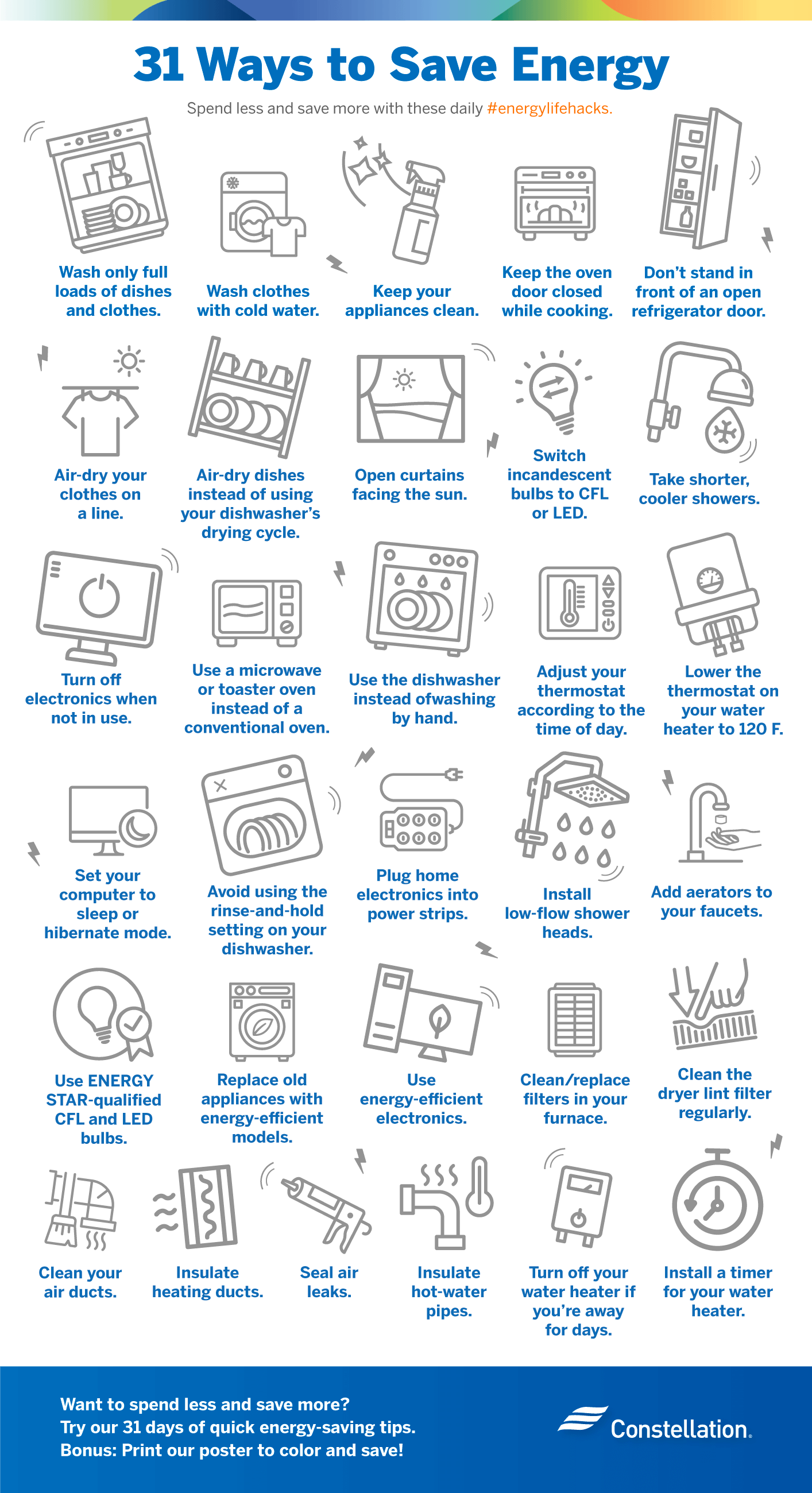
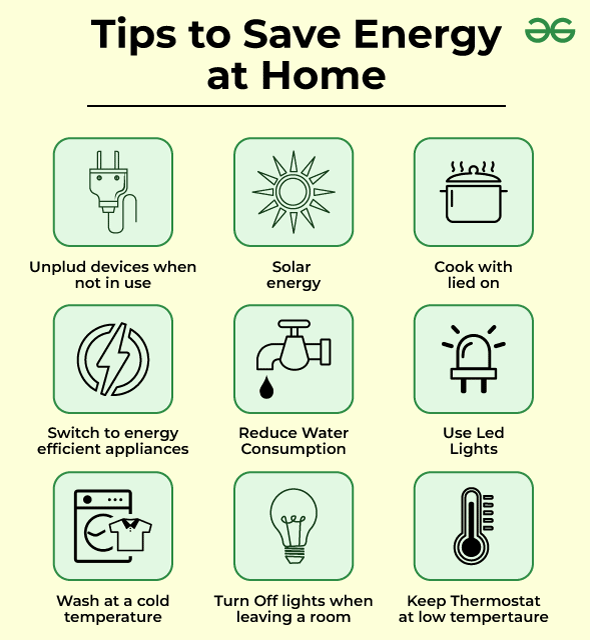
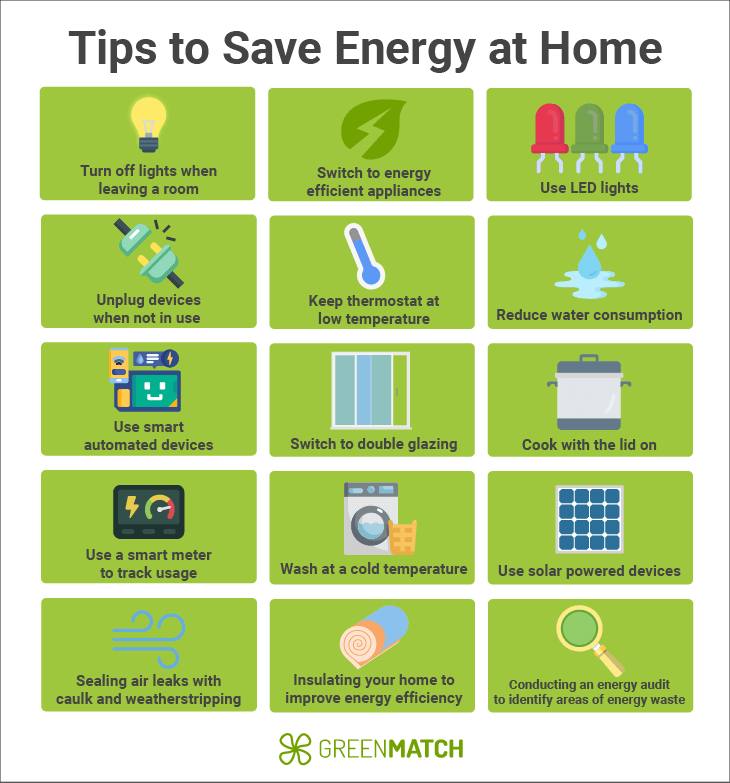
The culprit, my friend, is often us. It’s an easy fix, though. Make it a game: last one out turns it off. Your wallet and the planet will send you a tiny, grateful high-five. It’s a habit worth embracing.
Think about it. Those glowing bulbs aren't just for ambiance. They are quietly chugging electricity. Be the hero who conquers the "phantom lights" left burning in empty rooms. Your inner frugal self will thank you for this revolutionary act.
Embrace the Sun (It's Free!)
We pay good money for windows. So, why do we keep them perpetually draped? The sun is a magnificent, giant, free light bulb in the sky. Let it do its job!
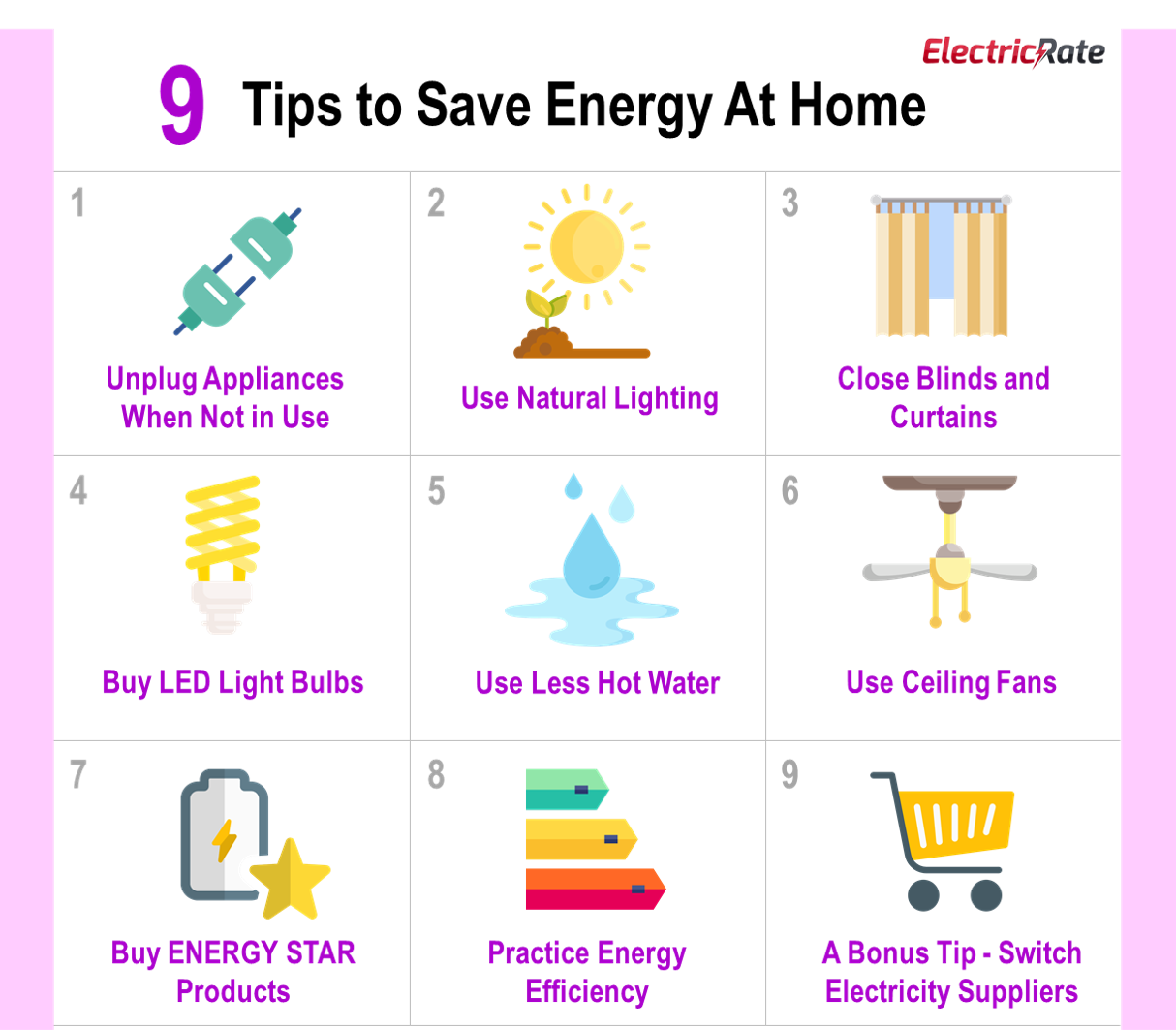
Open those curtains and blinds wide. Flood your home with natural light during the day. It makes your space feel bigger and brighter, and you can keep those artificial lights off for longer. It’s like magic, but, you know, science.
Unless you're a vampire, there's really no good excuse. Even on cloudy days, natural light still offers a gentle glow. Plus, a little sunshine is good for the soul. It's a win-win situation for both your mood and your meter.
The Thermostat Tango: Who's in Charge?
The *Ideal* Temperature Myth
Here’s an unpopular opinion: your thermostat is not a personal climate control portal to the tropics in winter or the Arctic in summer. It’s a tool. A tool for efficiency, not extreme comfort.
Setting your heat to 75°F in winter is just asking for trouble. Likewise, blasting the AC to 65°F in July is a cry for help. Your energy bill will be screaming, too. Find a happy medium.
Try setting your thermostat a few degrees higher in summer and a few degrees lower in winter. You might find you barely notice the difference. Your bank account, however, definitely will. Remember this golden rule:
"Thou shalt not make thy home feel like an unnatural biome."
Dress for the Weather (Indoors!)
This might sound shocking, but hear me out. If it’s chilly inside, put on a sweater! If it’s warm, wear lighter clothes. Crazy, right? This is your personal climate control system, ready and waiting.
Why crank the heat so high that you're walking around in shorts and a tank top in January? Or blast the AC so low you need a blanket in August? Your clothing is your first line of defense against temperature extremes.
It’s a simple concept, but incredibly effective. Layers are your friend. Embrace sensible indoor attire and let your home’s climate be a reflection of the season, not a desperate attempt to defy it.
The Phantom Power Menace
The Sneaky Standby Suckers
Did you know some of your gadgets are secretly slurping electricity even when they're "off"? It's true! They're like tiny, invisible energy vampires, sucking power from your outlets 24/7. Your TV, gaming console, phone charger, toaster – all of them are potential culprits.
We call this "phantom load" or "standby power." That little glowing light on your charger or the clock on your microwave might seem harmless, but it adds up. Over time, these tiny trickles become a river of wasted energy.
It's a silent killer of your energy budget. Imagine all those devices, constantly on standby, just waiting for your command. They're always ready, but at what cost? Your electric bill knows the answer.
The Unplugging Ritual
Conquering the energy vampires requires a heroic act: the unplugging ritual. Yes, it involves physically pulling cords from outlets. I know, I know. It sounds like effort. But it's surprisingly satisfying.
For devices you don't use often, or those infamous phone chargers, just yank them out when not in use. For the more frequently used items, consider a power strip. A single flip of a switch can cut power to multiple devices.
It’s like setting a trap for those sneaky energy suckers. The power strip becomes your trusty sidekick in this battle. You might feel a tiny rush of power (pun intended!) every time you switch it off. Be proud!
Kitchen Shenanigans: Appliance Adventures
The Fridge: Not a Sauna
Your refrigerator works hard. It’s a dedicated cold-keeper. But you can make its life easier. First rule: don't stand there with the door wide open, staring into its icy depths like you expect new food to magically appear. Close it!
Every time you open that door, cold air escapes, and warm air rushes in. The fridge then has to work harder to cool everything down again. It's like letting all the hard work just float away. Be swift and decisive.
Also, make sure the coils are clean. Dust and grime can make your fridge less efficient. And don't overfill it, or underfill it too much. Both extremes make it work harder. Think of it as a delicately balanced ecosystem.
Oven vs. Microwave: A Culinary Duel
Heating up a single slice of pizza? Using the giant oven is like driving a monster truck to pick up a feather. It’s overkill. For smaller tasks, the microwave or a toaster oven are your champions. They use far less energy.
That big oven needs a lot of energy to heat up and stay hot. Plus, you probably don't need to preheat it for most things, despite what some recipes say. Just pop your food in as it warms up. It saves a surprising amount of energy.
The "microwave's secret weapon" is its speed and localized heating. It targets the food, not the entire box. Embrace these smaller, more efficient cooking methods for everyday meals. Save the oven for those grand, celebratory roasts.
Dishwasher Dilemmas
Your dishwasher is a powerful cleaning machine. Let it do its job efficiently. That means running it only when it’s completely full. A half-empty load uses almost the same amount of energy and water as a full one. It’s just wasteful.
Also, consider skipping the pre-rinse. Modern dishwashers and detergents are incredibly good at cleaning. Just scrape off the big bits, and let the machine handle the rest. You'll save water, and thus the energy used to heat that water.
And for extra points, use the "air dry" setting if your machine has one. Or just crack the door open after the wash cycle. Why pay to heat elements to dry your dishes when good old air can do the job for free? It’s the "rinse-and-go" philosophy, applied to drying.
Laundry Room Lore: The Wash Day Wonders
Cold Water: Your New Best Friend
This is where things get truly rebellious. Most of the energy used by your washing machine goes to heating the water. So, here’s a radical idea: wash your clothes in cold water! Yes, even whites!
Modern detergents are formulated to clean just as effectively in cold water. You'll still get sparkling clean clothes, but without the energy drain. It's a game-changer for your energy bill. Your hot water heater can take a well-deserved break.
Challenge the old belief that hot water is always best. It's an outdated notion. Embrace the chill and watch your energy savings grow. Cold water washing is an easy win for both your clothes and your conscience.
The Dryer's Demands
The clothes dryer is an energy hog. A big, rumbling, energy-guzzling hog. First, always clean the lint trap. Seriously! A clogged lint trap makes your dryer work much harder and longer, wasting energy and becoming a fire hazard. It's the "lint monster"'s lair.
Like the dishwasher, run full loads. Don't dry just a few items. If you have the space and the inclination, consider air-drying some items. A clothesline or a drying rack can be your secret weapon, especially for delicate garments.
Even a quick air-dry before finishing in the machine can cut down on drying time. Every little bit helps to reduce the dryer's hefty energy footprint. Give your clothes a little outdoor vacation, or at least a rack break.
Water Works: The H2O Harmony
Shower Power (or Lack Thereof)
Who doesn't love a long, steamy shower? Blissful, right? But also an energy guzzler. Hot water isn't free. The energy to heat it costs money. So, here’s a challenge: embrace the "sprint" shower.
Can you get clean in five minutes instead of fifteen? Probably! Shower quickly, sing your song, and get out. You’ll save on both water and the energy needed to heat it. Consider it a daily mini-challenge.
If you're feeling extra brave, try installing a low-flow showerhead. You'll barely notice the difference in pressure, but your energy savings will. It's all about getting the job done efficiently, not lingering in the steam.
The Leaky Faucet Fiasco
Drip, drip, drip. That annoying sound isn't just irritating; it's money going down the drain. A leaky faucet, especially one dripping hot water, is a double whammy for energy waste. You're losing heated water, which means your water heater is working extra.
Fixing a leaky faucet is often a simple DIY job, or a quick call to a plumber. Don't procrastinate. That "tiny drip, big problem" paradox is real. It's amazing how much water (and energy) a seemingly small leak can waste over time.
Check your toilets too. A running toilet can silently waste gallons of water every day. Be vigilant about leaks, big or small. They're like little energy saboteurs in your home. Catch them early!
The Great Escape: Windows and Doors
Seal the Deal!
Your home should be like a cozy, well-sealed box. But often, it's more like a sieve. Drafts around windows and doors are notorious energy thieves. They let your expensive heated or cooled air escape into the great outdoors.
Invest in some weatherstripping or caulk. It's a cheap and easy fix. Seal up those gaps! Think of it as giving your home a much-needed hug, keeping all the good air in and the bad air out. It's your home's "security blanket".
Even tiny cracks can make a big difference over time. Take a walk around your home on a breezy day and feel for drafts. You might be surprised where you find them. Seal 'em up and save big!
Curtain Call for Insulation
Curtains and blinds aren't just for privacy and decoration. They're also excellent "silent energy guardians." In winter, close them at night to add an extra layer of insulation, keeping the warm air inside.
In summer, close them during the hottest part of the day to block out the sun's heat. This keeps your home cooler naturally, reducing the strain on your air conditioning. It’s about being smart with your window coverings.
Thick, insulated curtains are particularly effective. But even regular blinds or drapes can make a noticeable difference. Use them strategically throughout the year to help regulate your home's temperature and give your HVAC system a break.
So there you have it. Saving energy at home isn't about grand gestures or living in a cave. It's about small, consistent efforts. It's about unplugging that charger, embracing the sweater, and maybe, just maybe, having a shorter shower. You got this. Your wallet, and Mother Earth, will be cheering you on.