Ever feel like some people just have that extra *something*? You know, that pizzazz, that ability to change their tune depending on the situation? Well, elements in the periodic table are just like that, and the transition metals are the ultimate chameleons of the element world.
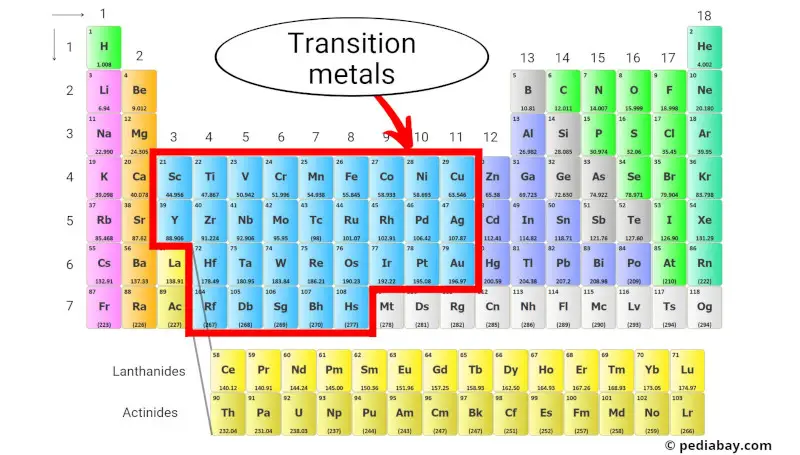
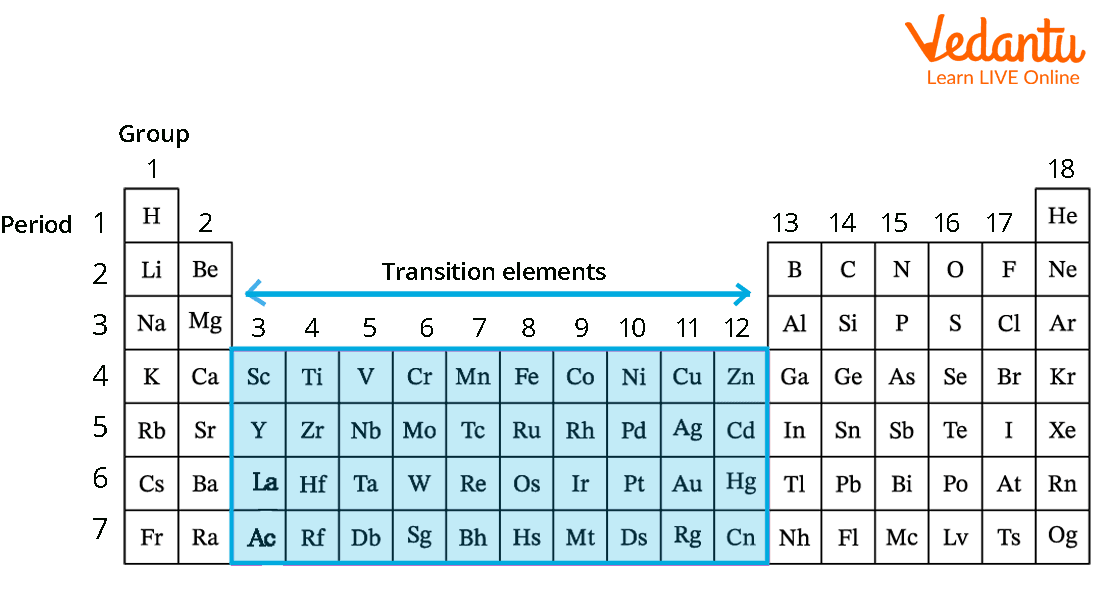
We're talking about elements hanging out in the *middle* of the periodic table. You know, those groups you kinda glossed over in high school chemistry. Don’t worry, we all did! But these guys, those in what are cleverly named the d-block, are actually super important and, dare I say, kinda cool.
Think of the periodic table like a high school cafeteria. You've got your super predictable "jocks" (alkali metals) always acting the same way, the "nerds" (noble gases) sticking to themselves, and then there are the transition metals. They're like the artsy kids, maybe a bit quirky, definitely colorful, and involved in everything from the drama club (catalysis) to the pottery club (pigments!).
What Makes Them So Special?
So, what's their secret? It all comes down to their electron configurations, or, in plain English, how their electrons are arranged. These elements have what's called an incomplete *d-orbital*. Imagine a parking lot with some spots still open. These "open spots" give the transition metals the flexibility to bond in various ways and form compounds with a wide range of properties. This is why they can be so… adaptable.
Let's take iron (Fe), for example. Iron is *everywhere*. In your blood (carrying oxygen, no big deal), in the steel that holds up skyscrapers (yep, pretty important), and even in the core of the Earth (you’re welcome for the gravity). Iron's ability to form different compounds with different oxidation states (basically, how many electrons it's sharing) makes it incredibly versatile.
Consider the difference between rust (iron oxide) and shiny, strong steel. Same element, totally different properties because of how it's bonded with other elements! It’s like that friend who can dress up for a fancy gala or rock a pair of sweatpants for a movie night. Total range!
Everyday Encounters with Transition Metals
You might not realize it, but you interact with transition metals *constantly*. Gold (Au) and silver (Ag) in your jewelry, copper (Cu) in your electrical wiring, titanium (Ti) in everything from paint to airplanes. These elements are essential to modern life.
And it’s not just the metals themselves. Their compounds are also crucial. Ever heard of a catalyst? Catalysts speed up chemical reactions, and many of them are based on transition metals. Your car's catalytic converter uses platinum, palladium, and rhodium to reduce harmful emissions. These metals act like little matchmakers, helping molecules find each other and react more quickly. Without them, our air would be a lot dirtier!
Think about the colors in paint. Many vibrant pigments come from transition metal compounds. Chromium (Cr) gives emeralds their green hue, cobalt (Co) makes things blue, and manganese (Mn) is responsible for some beautiful shades of purple and pink. Next time you see a particularly vibrant painting, thank the transition metals!
They're Not Perfect (But Who Is?)
Of course, transition metals aren’t without their quirks. Some of them, like mercury (Hg), are toxic. Others, like certain forms of chromium, can be harmful to the environment if not handled properly. But hey, even the most versatile people have their downsides, right?
So, the next time you hear about transition metals, don't just glaze over. Remember that these elements are the colorful, adaptable, and essential workhorses of the periodic table. They're the spices in the element soup, the unsung heroes of chemistry, and, just like that friend who can always pull off a last-minute outfit change, they make the world a much more interesting place.
In short: Transition metals are like the adaptable, stylish, and slightly unpredictable friends you need in your life (and in the periodic table!). They make everything a little more colorful, a little more interesting, and a whole lot more useful.