Alright, gather 'round, folks! Pull up a comfy chair, grab your favorite hot beverage, because we’re about to tackle a topic that strikes both fear and a strange, thrilling challenge into the hearts of many: driving in the snow. Now, I’ve seen some things. I’ve seen cars attempting to impersonate bobsleds, SUVs doing involuntary ice ballets, and folks wondering if their all-season tires actually came with a 'season pass' for winter. Trust me, it’s a whole genre of driving that requires less bravery and more... well, frankly, just some common sense with a side of zen.
Forget everything you think you know about driving fast or taking corners like a pro. In the snow, your car transforms into a temperamental toddler on a Slip 'N Slide. So, let’s get you prepped, shall we?
Before You Even Think About Starting That Engine
The Tire Talk: Your Unsung Heroes
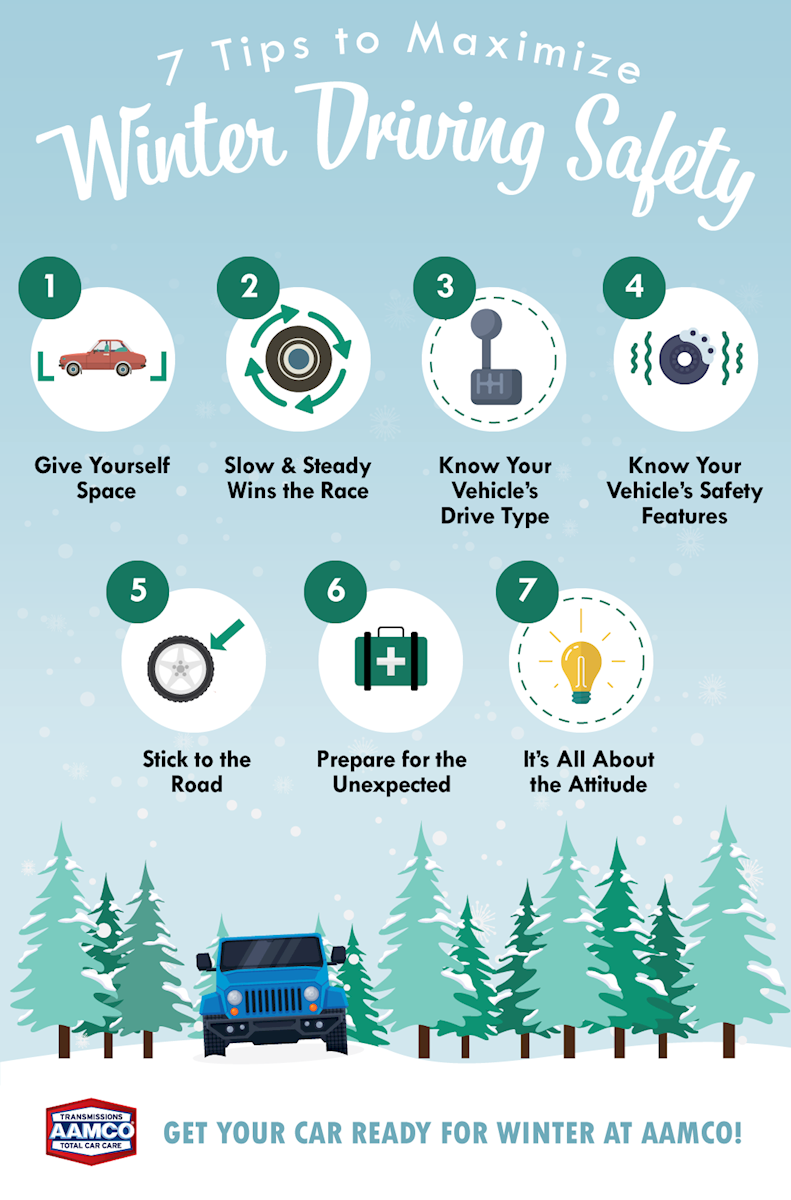
First up, tires. This is not the time to be a hero with bald summer tires. That's like trying to run a marathon in flip-flops on an ice rink. You just won't make friends with traction. If you live somewhere that gets proper snow, winter tires are your absolute best friend. They aren’t just about the gnarly tread patterns; it’s the special rubber compound that stays softer and grippier in cold temperatures, giving you actual traction when regular tires stiffen up and lose their grip like a nervous politician.
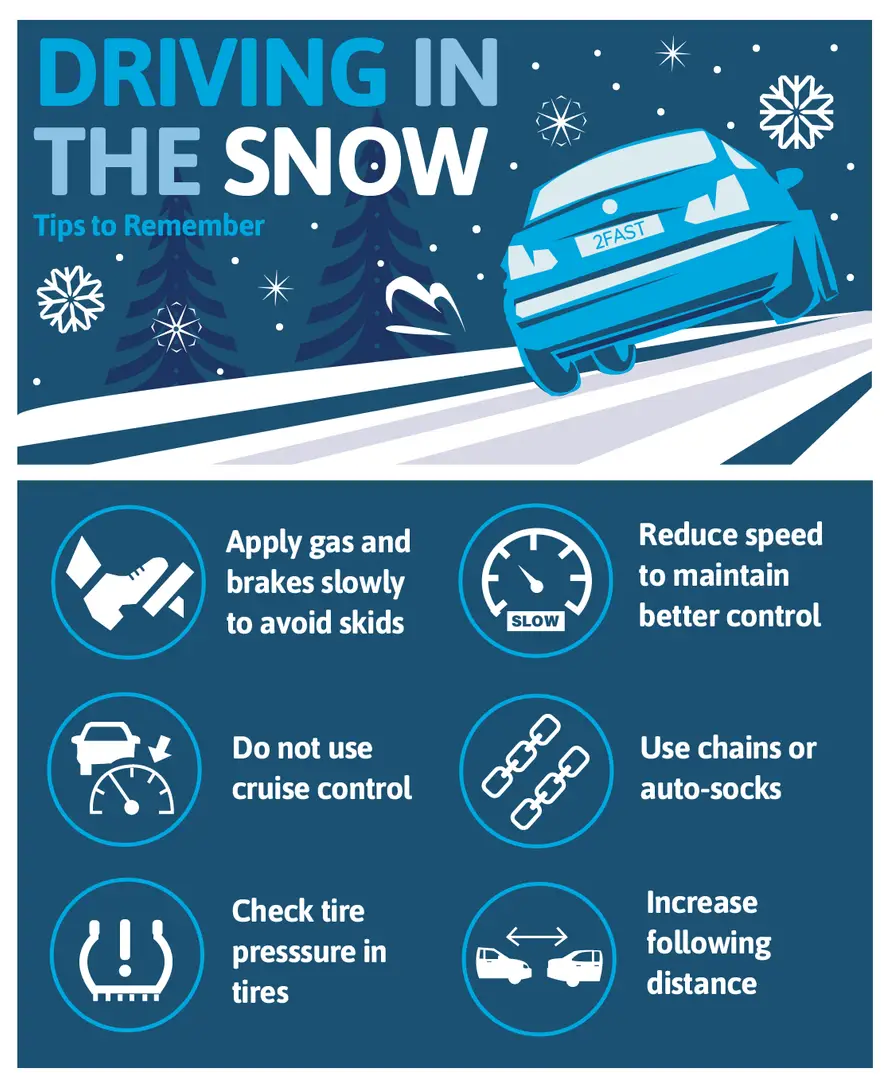
And for the love of all that is holy, check your tire pressure! Cold weather drops pressure, making your tires sadder and less effective. Give them a little pump!
The Clear-Out Crew: A Must-Do Mission
Remember that little layer of snow on your roof that you think will magically blow off as you drive? That’s called a “snow missile”, and it’s a hazard to everyone behind you. So, clear off all the snow from your roof, hood, trunk, and especially all windows and mirrors. Yes, even that tiny bit on the headlights. You wouldn’t wear sunglasses indoors, so don’t drive with snow-blinders on!
While you're at it, make sure your wiper fluid reservoir is full of winter-friendly fluid (the stuff that won’t freeze) and your wipers aren't brittle. An ice scraper and a sturdy brush are non-negotiables. Consider them your medieval weapons against the frosty beast.
The "Just In Case" Kit: Your Snow Survival Pack
This isn't just for extreme blizzards; it's for any snow drive where things could go sideways. Throw a small shovel, a bag of sand or cat litter (for traction under tires if you get stuck), a flashlight, a first-aid kit, a blanket, and some non-perishable snacks in your trunk. Think of it as a mini survivalist picnic. Maybe even a book, because if you're stuck, you might as well get some reading done!
Alright, You're Ready To Roll (Slowly!)
The Zen of Gentle Touches: Pretend You’re Driving An Egg
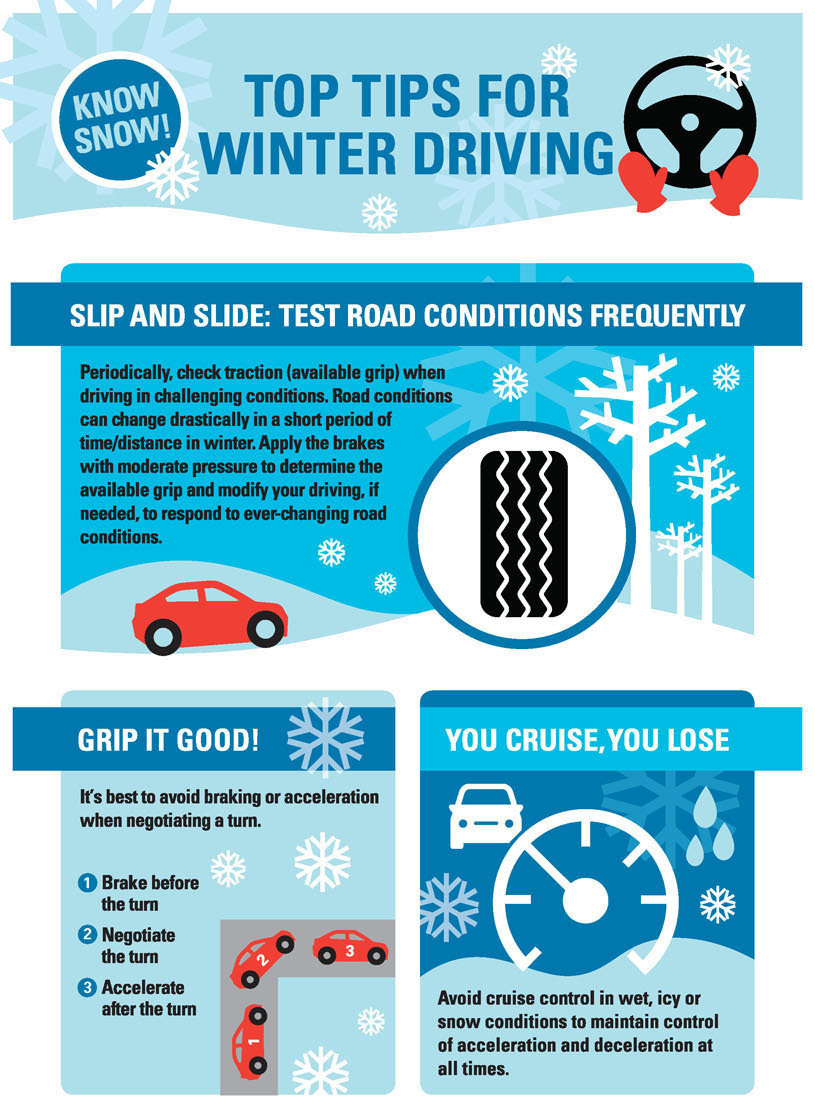
This is where the magic happens (or doesn't). Every input you make – steering, accelerating, braking – needs to be incredibly smooth and gentle. Imagine there's a delicate egg resting on your gas pedal, brake pedal, and steering wheel, and you absolutely cannot crack it. Stomp on the gas, and your wheels will just spin like you're trying to win a prize at the fair. Slam on the brakes, and you'll be sliding faster than a penguin on a waterslide. Gentle, gentle, gentle!
Start moving from a stop in second gear if your car allows it. It reduces torque and helps prevent wheel spin. It's like whispering to your car, "Please, darling, let's just glide."
Slow Down, Buttercup: Speed Limits Are Suggestions
Seriously, reduce your speed significantly. The posted speed limit is for *ideal* conditions, which a snowstorm most certainly is not. You’re not trying to set a land-speed record. You’re trying to get from Point A to Point B without becoming a YouTube compilation video. Give yourself extra time. You’ll be less stressed, and so will everyone else on the road.
The Invisible Wall: Following Distance
Increase your following distance by at least 8-10 seconds. Yes, seconds, not car lengths! This gives you more time to react if the car in front suddenly decides to practice its synchronized swimming routine. Think of it as leaving enough room for a small car to park between you and the car ahead. Or a small elephant. Whichever makes more sense to you.
Braking Bad (In A Good Way): ABS Vs. The Old Pump
Most modern cars have Anti-lock Braking Systems (ABS). If yours does, when you need to stop, press the brake firmly and hold it down. You'll feel a pulsing or grinding sensation – that's ABS doing its job, preventing your wheels from locking up and helping you maintain steering control. Don't lift off!
For older cars without ABS, you'll need to gently "pump" the brakes – a quick press, release, press, release – to prevent lock-up. But honestly, if your car is that old, you might want to question its winter warrior capabilities anyway!
The Skid Steer: Into The Slip
Okay, it happens. Your car decides to break free and slide. Don’t panic! (Easier said than done, I know). The key is to steer gently into the skid. If the rear of your car is sliding right, gently steer right. If it’s sliding left, gently steer left. This helps the front wheels line up with the rear, bringing you back in line. It feels counter-intuitive, like you’re trying to hit the skid, but trust me, it works. And whatever you do, avoid slamming on the brakes!
The Hill Climb: Momentum is Your Friend
Approaching a hill? Try to build up a little momentum *before* you start climbing, but don't overdo it. The goal is to maintain a constant, steady speed up the hill without stopping. If you lose momentum and stop halfway up, you might find yourself sliding backward. And let's be honest, reversing uphill on snow is a special kind of nightmare.
You Did It!
See? Driving in the snow isn't an extreme sport; it's more like a delicate dance with Mother Nature. A very slow, cautious, gentle dance where you're constantly checking your footing. Remember: slow and steady wins the race (especially when "the race" is simply "getting home safely for a cup of cocoa"). Stay safe out there, my friends, and happy (slow) trails!