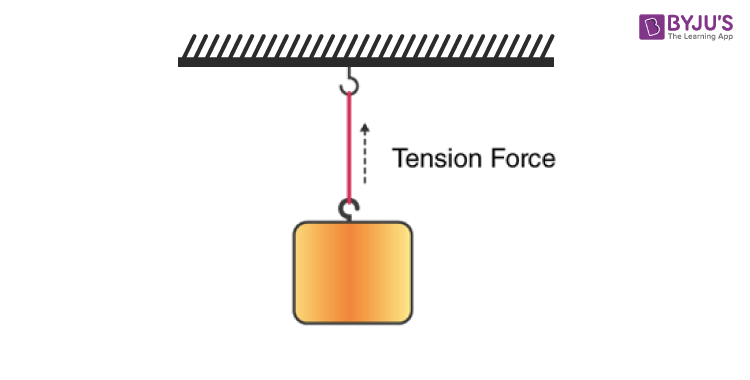
Hey, you ever had something just…snap? Like, completely give up the ghost? I'm talking *total* failure. Well, guess what? Temperature might be the culprit! No way? Way! It's a real thing called tension failure, and it's more common than you think. Especially if you live somewhere with crazy weather like I do. Talk about mood swings!
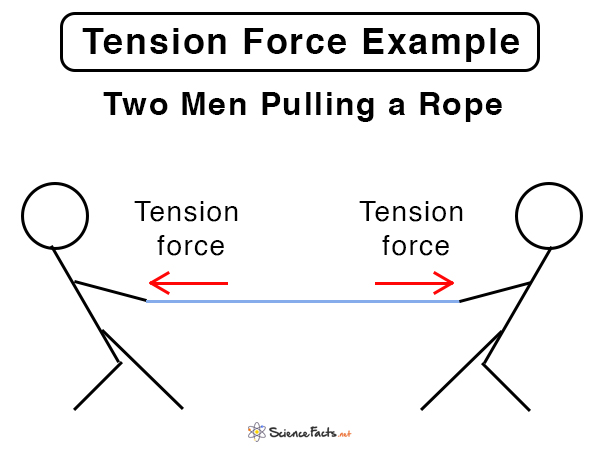
So, what exactly is tension failure? Basically, it's when a material, anything really (metal, plastic, even your patience on a Monday morning), breaks because it's being pulled apart. Think of tug-of-war, but the rope suddenly… well, you get the picture. Not pretty.
But hold on a sec, where does temperature fit into all this? Glad you asked! This is where things get interesting (like, mildly interesting, not like "finding a winning lottery ticket" interesting, but still!). Temperature can mess with a material's strength in all sorts of fun (not really fun for the material, mind you) ways.
Think about it:
High temperatures? They can make materials weaker. Imagine trying to hold something heavy after a long workout in the sun! Metals become more ductile (easier to deform) at higher temps, meaning they stretch more before they break. Which sounds good…until they stretch *too* much and then BAM! Failure time. Ever try to open a jar after its been in the hot sun? Sometimes the metal lid bends, sometimes it works, but the risk is there.
Low temperatures? Oh boy. Opposite problem. Things can get brittle. Like, snap-like-a-dry-twig brittle. Metals become harder, but they also become less able to handle stress. It's like they forget how to bend and just… crack. Ever left a plastic bottle in the freezer a bit too long? Boom! Exploding ice-sicle, and a mess to clean. Good times!
But wait, there's more! (cue cheesy infomercial music)
It's not just the extreme highs and lows, folks! Temperature changes themselves can be a problem. Ever heard of thermal stress? That's when a material expands and contracts with temperature changes, and if it can't do that freely… well, you guessed it! Tension builds up, and something's gotta give. Think of a bridge in the winter – all that contraction puts stress on the structure.
This whole temperature thing also throws in another variable: creep. Creep, in material science terms, is when a material slowly deforms under constant stress, especially at high temperatures. It’s like your car’s tires slowly deflating over time (but way more dramatic). A pipe in a power plant? Constant stress, high temps? Prime candidate for creep! And creep, you guessed it, can lead to tension failure. Are you connecting the dots yet?
So, what's the takeaway here? Well, temperature is a sneaky little devil that can significantly affect how well things hold up under tension. Designing things to withstand temperature extremes (or at least mitigate their effects) is super important. That's why engineers get paid the big bucks (well, some of them, anyway!).
From bridges to airplanes to even your humble coffee mug (ever had one crack from hot coffee?), tension failure due to temperature is something we deal with all the time, even if we don't realize it. Next time something breaks, take a second and think, "Was temperature a factor here?" You might just be surprised! Now, who wants another cup of coffee? Maybe we should let it cool down a bit first, eh?

 (1).jpg)