Okay, so picture this: I'm standing in front of my washing machine, staring at it like it’s a cryptic alien device. It’s 10 PM, and I've just remembered that I absolutely *need* clean clothes for tomorrow. But then a little voice in my head, the one that usually reminds me I forgot to buy milk, pipes up: “Wait! Isn’t it cheaper to run this thing… later?”
My old self, the one who just hit ‘start’ whenever, would have scoffed. Cheaper? What even is that? But the newer, slightly-more-financially-aware me, who’d recently had a minor heart attack opening an electricity bill, was suddenly very, very interested. It was like I’d stumbled upon a secret handshake for utility bills.
And that, my friends, is when I properly dove into the rabbit hole of Off Peak and Super Off Peak electricity rates. Trust me, it’s not as boring as it sounds. In fact, it's pretty darn fascinating, and it could literally save you a chunk of change.
What's the Deal with Off Peak?
So, you know how everything has a rush hour? Roads, coffee shops, even your internet speed sometimes feels like it’s stuck in traffic. Well, the electricity grid is no different. During the day, especially from morning until early evening, everyone’s awake, making coffee, watching TV, running their AC (or heating, depending on the season). This is when demand is high.
To meet this high demand, utility companies often have to fire up less efficient, more expensive power plants. Naturally, they pass those costs onto us, the consumers. This period of high demand? It's typically called Peak. And yes, it’s the most expensive time to use electricity.
But when most people wind down for the day, maybe around 7 PM or later, the demand starts to drop. Fewer TVs on, fewer clothes being washed, fewer electric car chargers humming away. This is your first golden hour (or several hours, rather): Off Peak.
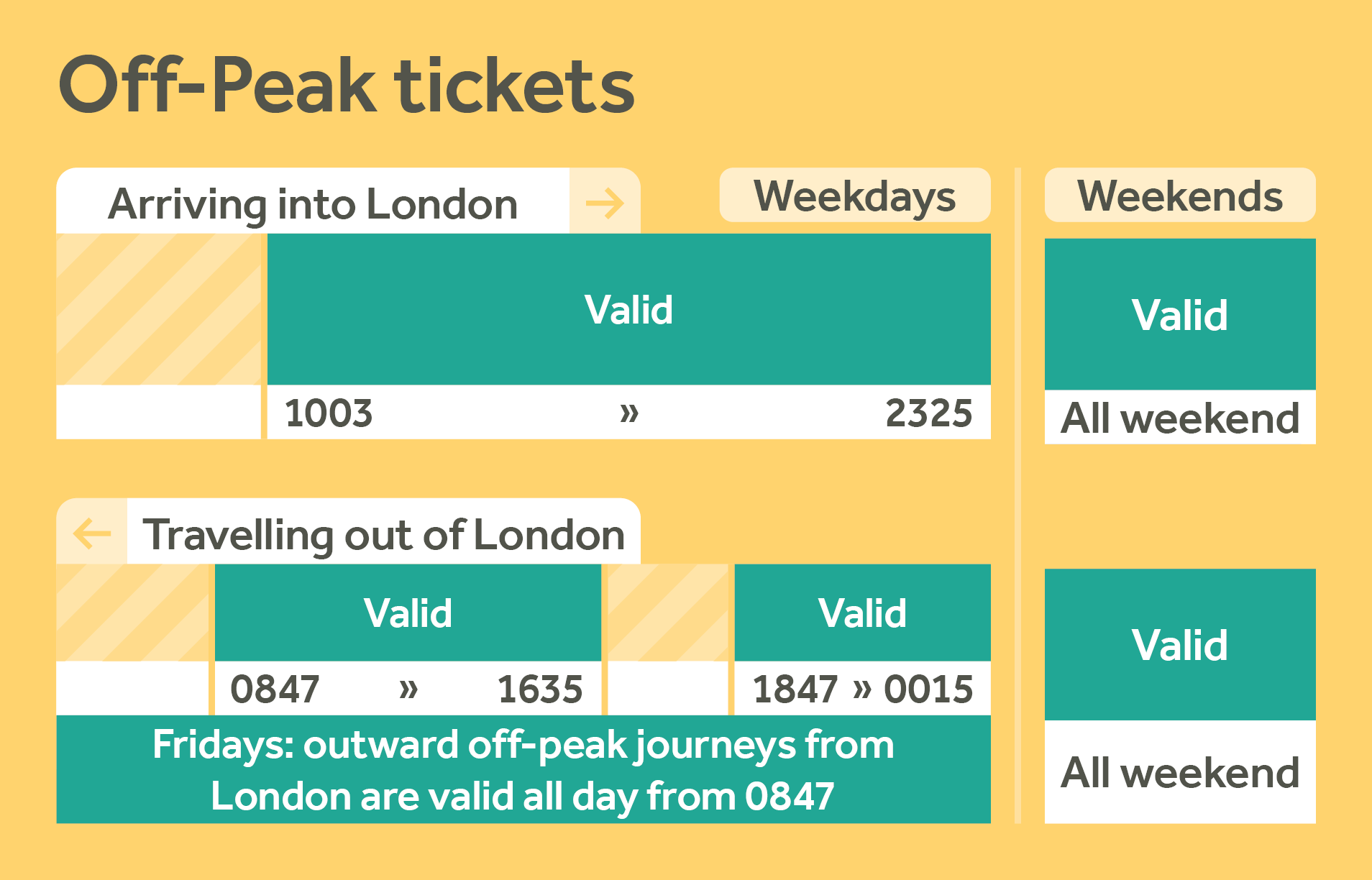
During Off Peak times, the grid isn't straining as hard. It's like the roads after the evening commute – still some traffic, but things are flowing much smoother. Because it's cheaper for the utility company to provide power, they pass those savings onto you. Pretty neat, right?
Typically, Off Peak hours might be evenings, say from 7 PM to 11 PM, and all day on weekends and holidays. It varies by provider and region, so always double-check your specific plan. (Seriously, do it! Your wallet will thank you.)
Enter the Super Saver: Super Off Peak!
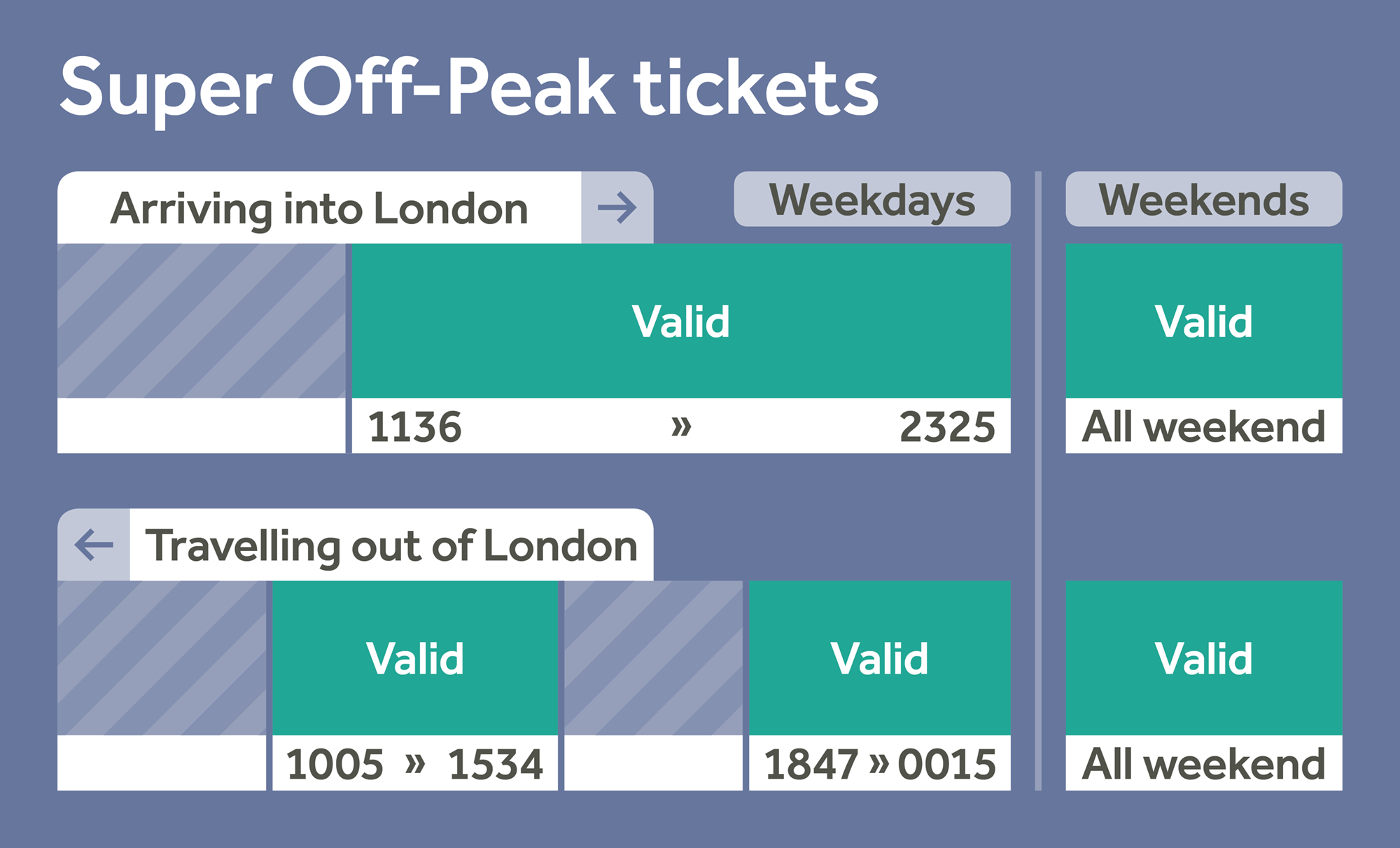
Now, if Off Peak is like finding a really good sale, then Super Off Peak is like stumbling upon a glitch in the matrix that gives you an even bigger discount. This is the absolute quietest time for the grid, when demand is at its absolute lowest.
When does this magical window usually open? Think middle of the night. We're talking 11 PM or midnight, stretching all the way to 5 AM or 7 AM. Most of us are sound asleep, dreaming of perfectly clean laundry or fully charged EVs. But while we're snoozing, our appliances could be working their magic for pennies on the dollar.
Why is it so cheap? Because demand is so incredibly low, the grid is basically just chilling. Utilities are actively trying to encourage usage during these hours to help balance the load throughout the day. It’s a win-win: they avoid wasting capacity, and we get to enjoy ridiculously low rates.
Imagine this: your electric vehicle charging up overnight for a fraction of what it would cost during the day. Your dishwasher humming quietly at 2 AM. Your water heater doing its thing while you’re tucked in bed. It’s like having a secret economy for your household chores!
So, What Does This Mean for You?
This isn't just about understanding some technical jargon. This is about being smart with your energy consumption and potentially saving a significant amount of money on your monthly bills. Think of it as playing a strategic game with your utilities, and you, my friend, are about to become a grandmaster.
Here are a few quick takeaways:
- Check Your Plan: First and foremost, look at your utility bill or call your provider. Find out if you're on a time-of-use rate plan and what your specific Peak, Off Peak, and Super Off Peak hours are. They can differ!
- Shift Your Usage: Can you program your dishwasher or washing machine to run after 11 PM? Many modern appliances have delay-start functions for exactly this reason.
- Charge Smart: If you have an EV, this is a huge one. Set it to charge overnight during Super Off Peak. The savings can be substantial.
- Think Big Appliances: Water heaters, dryers, pool pumps – anything that draws a lot of power can be scheduled for cheaper times.
It might take a little bit of planning, a little bit of adjusting your routine, but the payoff can be totally worth it. It’s not just about saving money, either. By using power during these lower-demand times, you're also helping to ease the strain on the overall energy grid, which can have positive environmental impacts.
So, the next time you look at your washing machine, don't just see a chore. See an opportunity. An opportunity to be a savvy, energy-efficient hero in your own home. Go forth and conquer those utility bills, my friend!