While certainly not a fragrance to savor or a note to add to your favorite essential oil diffuser, the distinct aroma often associated with natural gas holds a peculiar, universal recognition. Often described as a sulfurous, rotten-egg smell, this odorant (mercaptan) is intentionally added to otherwise odorless natural gas to make leaks detectable. In the context of your car, encountering this smell isn't about artistic inspiration or popularity; it's about immediate awareness and safety.
Understanding this particular scent isn't about artistic appreciation, but rather about personal safety and preparedness. The "benefit" here lies in your ability to swiftly identify a potential hazard, which is invaluable. For any driver, knowing this warning signal empowers you to react appropriately, potentially preventing a dangerous situation from escalating. It turns a moment of confusion into a moment of decisive action, protecting yourself and those around you.
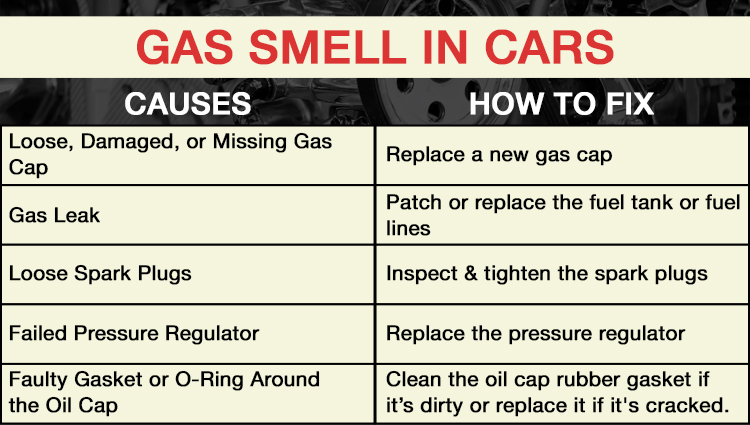
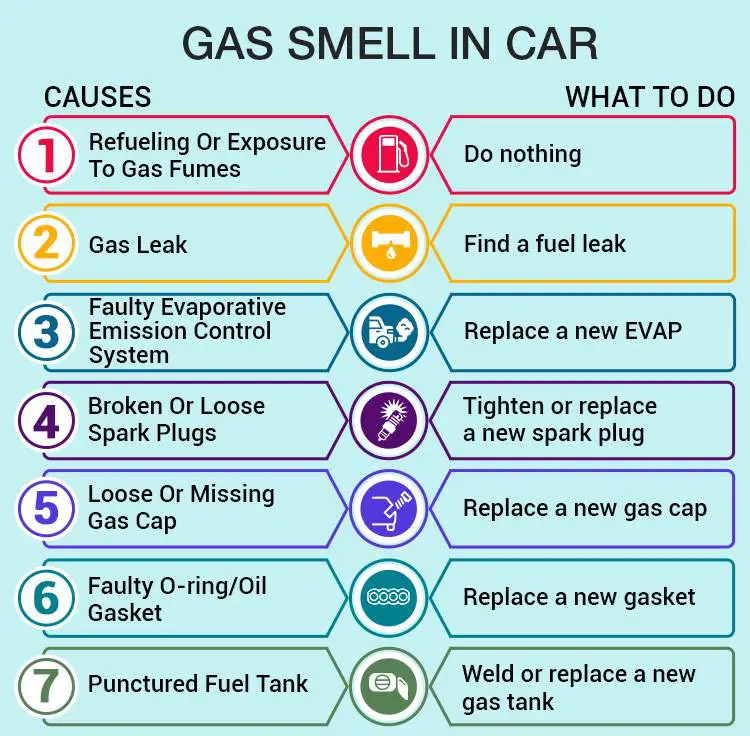
When this smell manifests in your car, it rarely means you have a natural gas line directly leaking inside. Instead, it could be a few things, each warranting attention. Common "variations" or causes might include: a problem with a propane or compressed natural gas (CNG) conversion kit if your vehicle is equipped with one; a mistaken identity with a failing catalytic converter, which can produce sulfurous fumes; or even exhaust fumes that have a similar, pungent quality leaking into the cabin. Less commonly, but still possible, the smell could be external, drifting in from a nearby source or from something you've driven over. Regardless of the exact cause, any strong, unusual odor warrants investigation, and this particular smell is a top priority.
Instead of "trying it at home," the crucial "tips" here are about how to react safely when this scent makes an unwelcome appearance in your vehicle. First and foremost, do not ignore it. If safe to do so, pull over immediately. Turn off the engine. Open all windows to ventilate the car. Safely exit the vehicle and keep a distance. Do not use your cell phone or any other electronic device while inside or very close to the car, as a spark could ignite a concentrated gas leak. Call for roadside assistance or emergency services from a safe distance. Describe the smell and your location. Let professionals diagnose and address the issue; never attempt to locate the source yourself.
Ultimately, the true enjoyment comes not from the smell itself, but from the peace of mind that comes with understanding and responding correctly to such a critical warning. There's deep satisfaction in knowing you're prepared for unexpected challenges on the road, turning a potential threat into a testament to your vigilance and quick thinking. Staying informed about vehicle safety, even concerning unpleasant odors, is a vital part of responsible driving and contributes to the collective well-being on our roads. It's a reminder that sometimes, the most important "knowledge" is about what to avoid and how to react, rather than what to appreciate.