Ever stood by your air conditioner, thermostat in hand, and pondered that seemingly simple choice: Fan On or Fan Auto? It feels like a small decision, right? Yet, it’s a tiny enigma hiding a world of comfort, efficiency, and even a bit of home science! Let’s unravel this common household mystery with a relaxed and curious mindset, because understanding it can make a real difference in how your home feels and how much you spend.
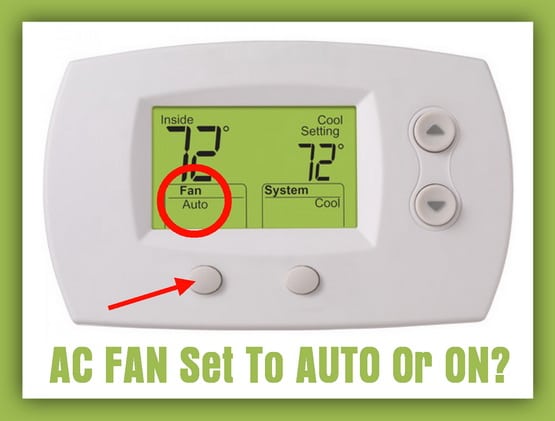
At its core, the fan setting controls whether your AC's internal fan runs only when the compressor is actively cooling your home, or if it runs continuously, even when the air isn't being chilled. This isn't just a technical detail; it's a subtle but significant factor in your indoor environment.
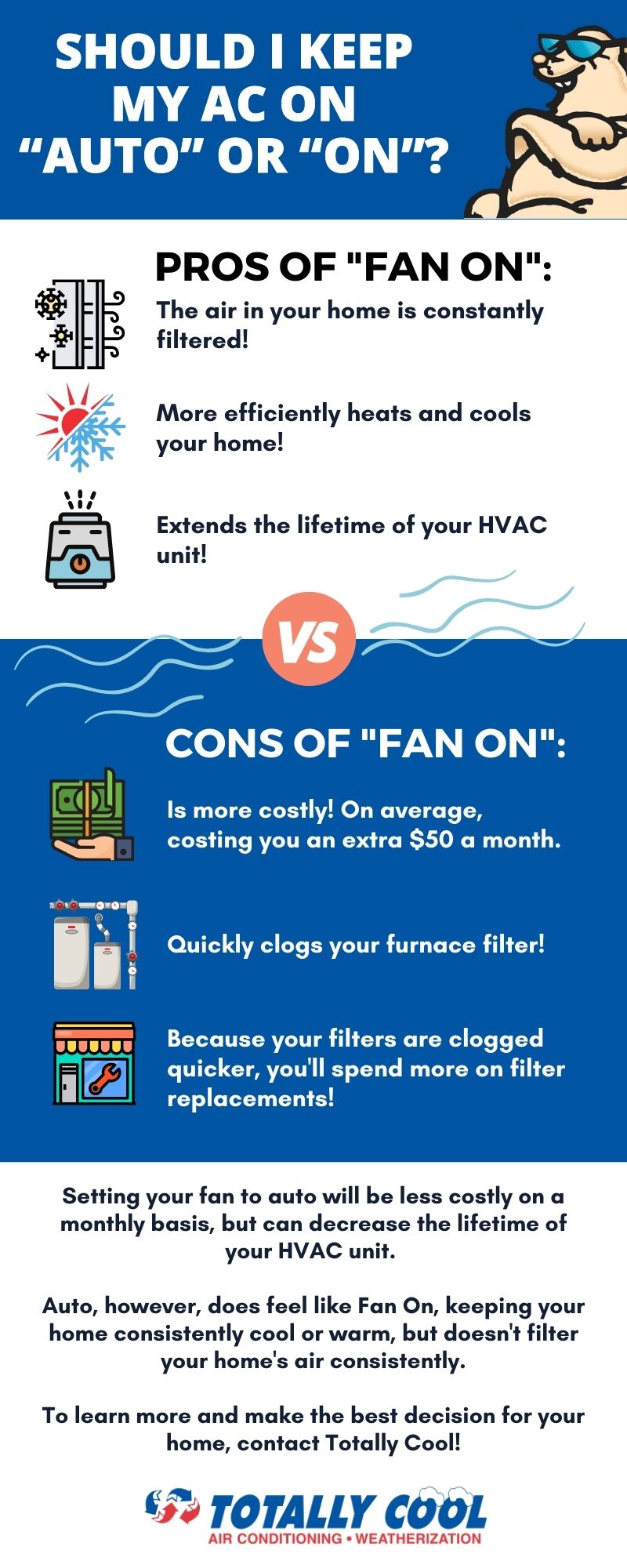
Choosing "Auto" means the fan kicks on with the compressor to deliver cool air, and then turns off once the desired temperature is reached. The main benefit here is energy efficiency. The fan motor isn't running constantly, so it uses less electricity. Furthermore, in humid climates, "Auto" allows the moisture condensed on the evaporator coil to drip away, rather than potentially being re-evaporated back into your home by a constantly running fan. This makes "Auto" excellent for dehumidification. The downside? You might experience slightly more temperature swings and periods of still air between cooling cycles.
On the other hand, setting your fan to "On" means it runs 24/7, continuously circulating air through your home, regardless of whether the compressor is engaged. The immediate benefit is consistent airflow and temperature distribution. You avoid those pockets of stale air and enjoy a more even temperature from room to room. It also means continuous air filtration, which can be a boon for those with allergies or pets, as more air passes through your filter. Many people also appreciate the constant, gentle white noise a running fan provides. The trade-off, however, is increased energy consumption because the fan motor is always working, and potentially less effective dehumidification if you live in a very humid area.
So, how does this play out in daily life? Imagine a hot summer day. If you're out for most of it and just want your home to be cool when you return, "Auto" is likely your friend, saving energy while you're gone. If you're home all day, perhaps working from your living room and sensitive to even small temperature shifts, or if you just love that constant breeze and air movement, then "On" might provide superior comfort. For students living in dorms or shared apartments, understanding this can mean the difference between a stuffy room and a consistently comfortable study space, or even help manage utility bills collaboratively. For new homeowners, it's a simple, empowering piece of knowledge about their HVAC system.
The best way to figure out what works for you is to simply experiment! Try running your fan on "Auto" for a few days. Pay attention to how the air feels, if there are any stuffy spots, and how often the AC cycles. Then, switch to "On" for a similar period and note the differences. Do you prefer the constant hum or the quiet pauses? Does one make your home feel drier or more comfortable? Consider your climate: if you live somewhere very humid, "Auto" might be crucial for comfort and preventing mold. If your climate is dry, "On" might be a more viable option for continuous air circulation without concern for re-humidification. It's a fun, low-stakes way to become more attuned to your home's environment and optimize your comfort!