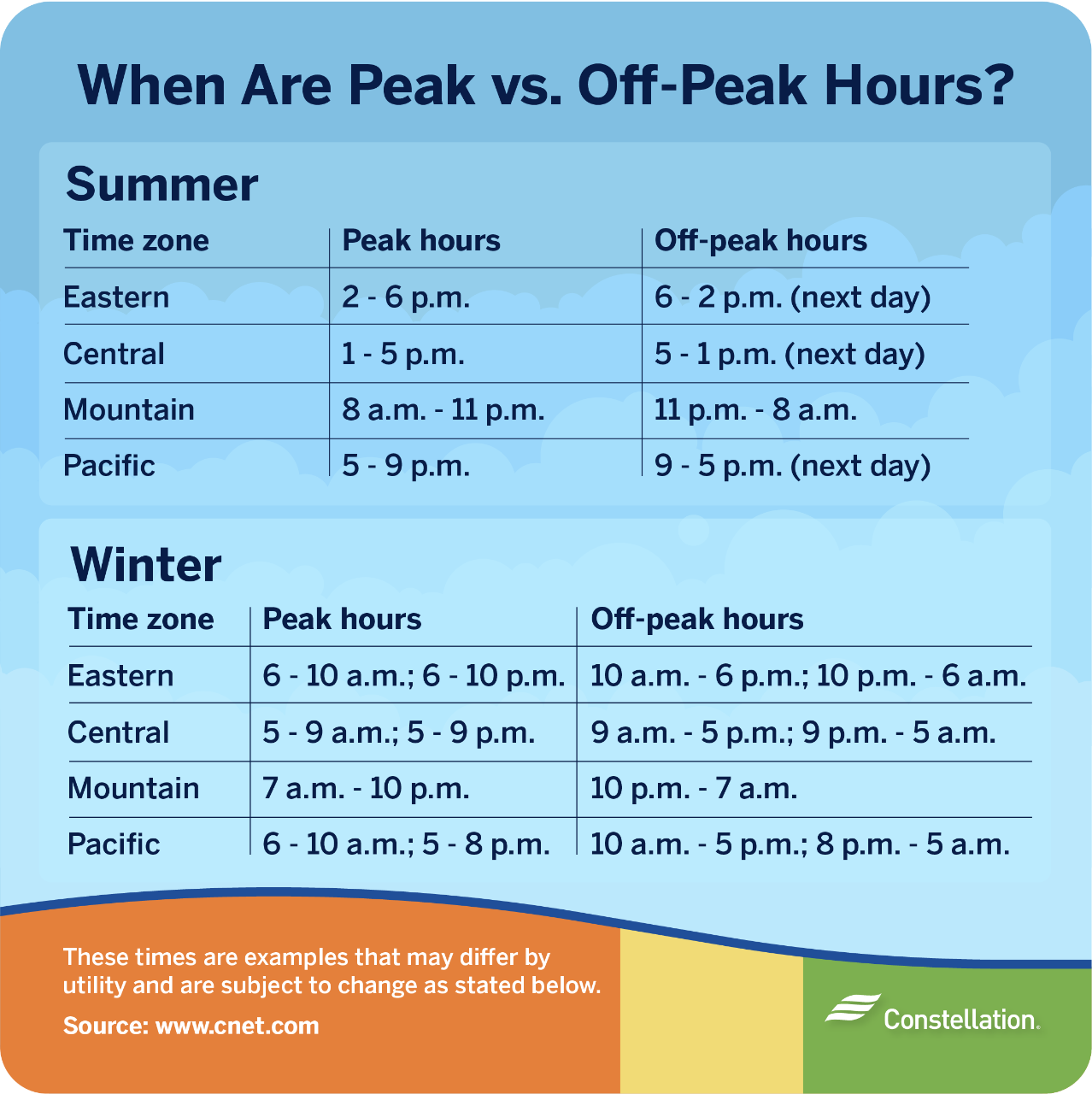
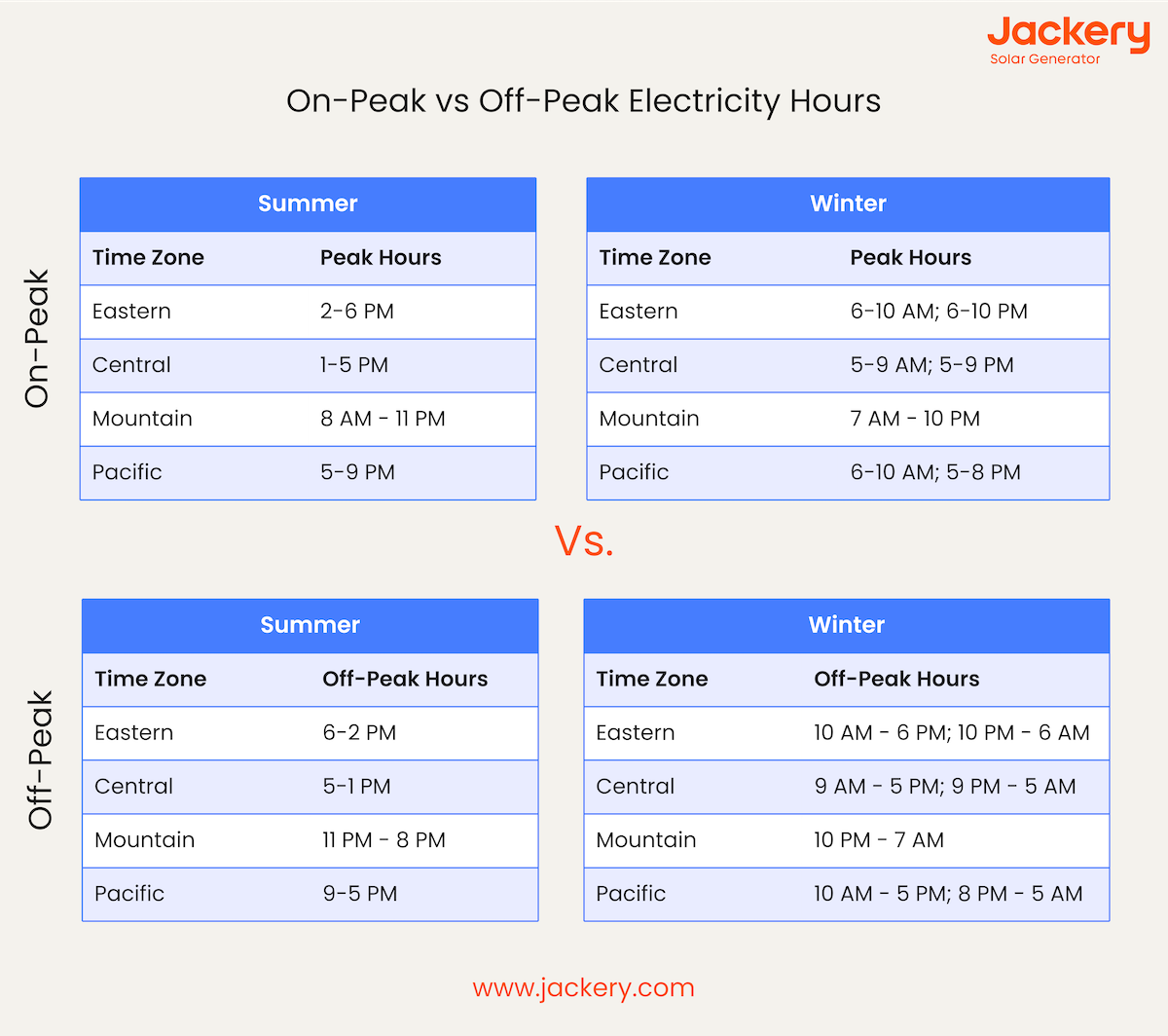
Ever feel like you’re paying full price for everything, all the time? What if I told you there’s a secret weapon to save money, avoid crowds, and generally make your life a little smoother? It’s called understanding peak and off-peak hours, and once you get the hang of it, you’ll wonder how you ever lived without this handy bit of knowledge. It’s not just about electricity bills; it’s a whole new way to think about daily planning that can actually be, dare I say, fun! Think of it as finding the sweet spots in your day where things are cheaper, calmer, or just plain better.
So, who benefits from knowing about these magical peak and off-peak times? Practically everyone! For beginners, wrapping your head around this concept is a fantastic first step towards smarter budgeting. You’ll learn how to shift certain tasks, like running your washing machine or dishwasher, to times when electricity rates are lower, making an immediate impact on your monthly bills. It's a simple change that leads to real savings.
For busy families, understanding peak and off-peak hours can be a game-changer for planning everything from holidays to daily chores. Imagine cheaper trips to the cinema or a theme park simply by choosing a less busy day or time. You can also plan your laundry cycles to align with off-peak electricity, freeing up more of your budget for family fun. Plus, visiting popular spots during off-peak hours often means shorter queues and a more relaxed experience – a win-win for everyone!
Even hobbyists can find value here. If you’re a keen gamer, scheduling your long sessions during off-peak internet times (if your provider has such a structure) could mean smoother connections or avoiding data caps. Photographers can capture stunning shots at tourist hotspots during quieter off-peak mornings, free from swarms of people. It’s all about leveraging timing to enhance your experience, whatever your passion.
The beauty of peak and off-peak hours is how widely they apply. Beyond your electricity bill, you’ll find them almost everywhere. Public transport often has cheaper fares during off-peak hours, making your commute or day trip more affordable. Gyms might offer discounted memberships or have fewer people during off-peak times. Even road tolls, parking garages, and sometimes even restaurants or specific shops might have varying rates depending on the time of day or week. Planning a trip? Look for flights and accommodation during off-season or midweek for significant savings. The variations are endless once you start looking!
Ready to dive into the world of smart timing? Here are some simple, practical tips to get you started:
- Check your utility bills: Most electricity providers clearly outline their peak and off-peak rates and times. This is your number one resource!
- Look up public transport schedules: Many services detail their fare structures online. A quick search can save you money on your next journey.
- Be flexible: If you can shift non-urgent tasks like laundry or ironing to late evenings or early mornings, you'll see the benefits.
- Ask about discounts: When booking activities, always inquire if there are off-peak rates. You'd be surprised how often they exist!
- Use apps: Some smart home apps can track your energy usage and even recommend optimal times for running appliances.
Embracing the rhythm of peak and off-peak hours isn't about rigid scheduling; it's about smart choices that lead to a more economical and enjoyable life. It’s a simple mindset shift that empowers you to save money, avoid unnecessary stress, and get more value out of your daily activities. So go on, start exploring these hidden opportunities – your wallet and your peace of mind will thank you for it!