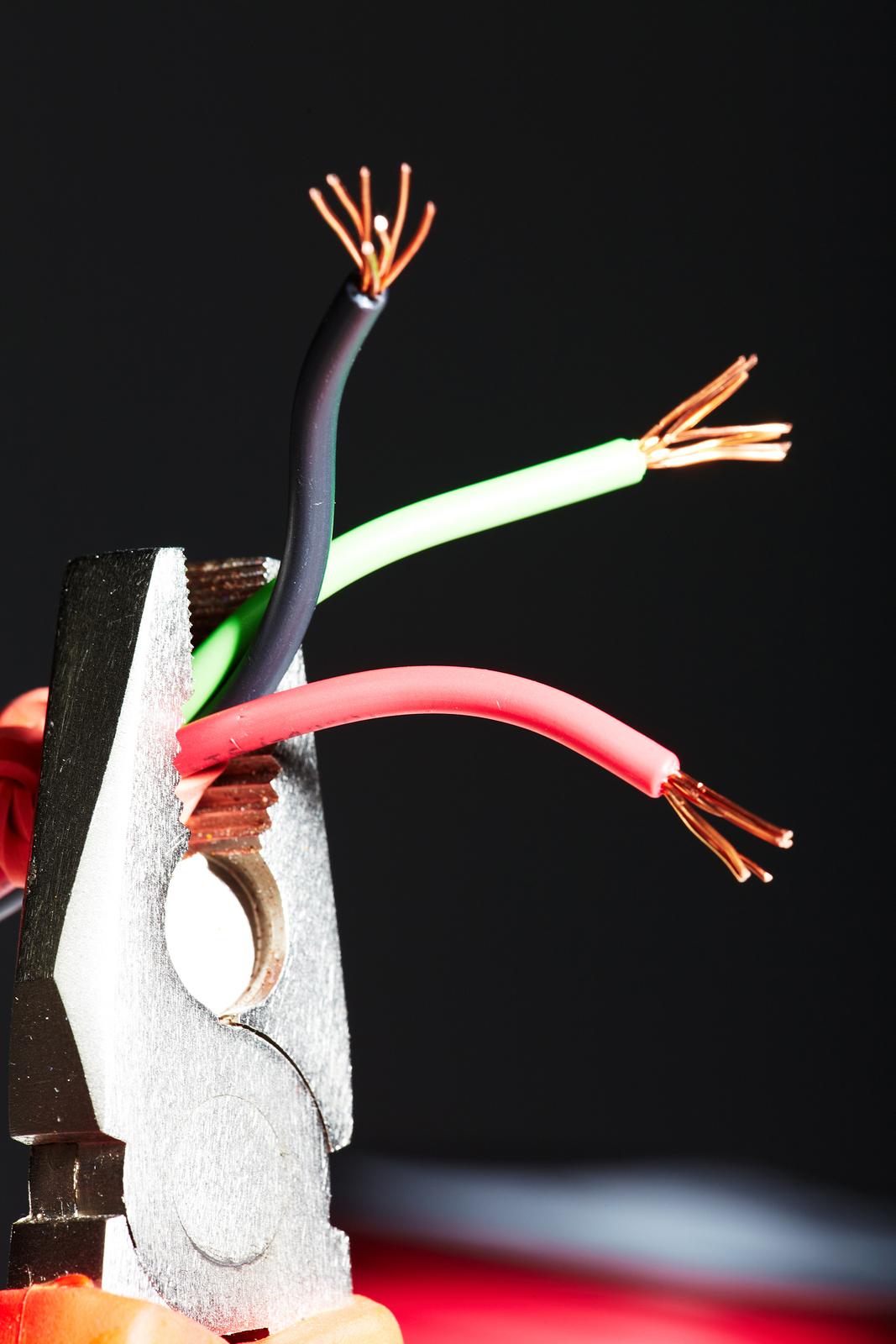
Ever wondered about the colorful spaghetti of wires tucked away in your walls, behind your appliances, or even in your trusty flashlight? It might seem intimidating at first, but understanding those common wire colors – red, black, white, and green – is actually a lot of fun and incredibly useful! It’s like learning a secret code that unlocks a whole new level of DIY confidence. Once you grasp the basics, you'll see the electrical world around you in a whole new light, making everyday repairs and projects less mysterious and a lot safer.
So, who can benefit from this colorful wisdom? Pretty much everyone! For beginners, it’s the first step to feeling comfortable with household electricity, whether you're changing a light fixture or simply plugging in a new device. Families can empower themselves to tackle minor home improvements, save money on electrician calls for simple tasks, and even teach kids fundamental safety and science concepts. And for hobbyists, this knowledge is absolutely essential. Whether you’re building an Arduino project, repairing a vintage radio, or setting up a model railway, knowing your hot from your neutral can prevent frustration, damage, and even danger.
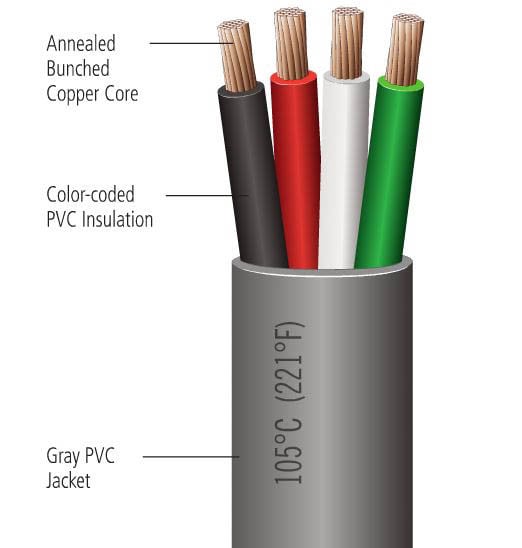
Let's dive into some common examples of how these colors typically behave. In standard AC (alternating current) household wiring, you'll often encounter: Black wires, which are usually the "hot" wires carrying power from the source. Red wires are also "hot" and are often used for 240-volt circuits, or as a switched leg for things like ceiling fans and lights. The White wire is typically your "neutral" wire, completing the circuit by carrying power back to the source. And finally, the Green wire (or sometimes bare copper) is your crucial "ground" wire, providing a safe path for electricity in case of a fault. In DC (direct current) low-voltage applications, like batteries or small electronics, red usually means positive (+) and black means negative (-), a simpler system that’s great for getting started with basic circuits.
Ready to get started? Here are some simple, practical tips. First and foremost: always turn off the power at the circuit breaker before touching any wires! This is non-negotiable for your safety. Use a non-contact voltage tester to double-check that the power is truly off. Before you disconnect anything, take a quick photo with your phone – it’s a lifesaver for remembering where everything goes. Start small: replace a simple light switch, install a new outlet, or build a basic battery-powered LED circuit. Don't rely solely on color if you're working with older wiring, as standards can change. When in doubt, consult a professional or a reliable wiring diagram for your specific project.
Understanding the language of wires isn't just about avoiding shocks; it's about gaining a valuable skill that empowers you to interact with the world around you. There's a real sense of accomplishment in successfully tackling a wiring project, knowing you've done it safely and correctly. So go ahead, embrace the colorful world of wires – you might just find a new hobby or a new level of home DIY confidence you never knew you had!
:max_bytes(150000):strip_icc()/color-coding-of-electric-wires-1152300-FINAL-5bbcc3f846e0fb00265e6788.png?strip=all)