Ever felt that exhilarating rush of wind against your face, or watched a kite dance gracefully in the sky? There's something undeniably captivating about the invisible force of wind. But what if I told you that this natural phenomenon isn't just for cooling us down on a hot day or flying kites, but is actually a key player in powering our modern world? Diving into the pros and cons of wind power is a fantastic way to understand a bit more about where our energy comes from, and it's surprisingly fun to learn about how we're harnessing nature's invisible hand.
At its heart, wind power is simply about turning wind into electricity. Imagine those enormous, elegant turbines you might have seen on a road trip – they’re essentially sophisticated windmills, but instead of grinding grain, their massive blades spin a generator that creates power. The big idea here is clean energy. Unlike burning fossil fuels, which releases greenhouse gases, wind power generates electricity without creating air pollution or contributing to climate change. It’s a way to power our homes, schools, and businesses using a resource that’s literally blowing in the wind, making it wonderfully renewable and sustainable.
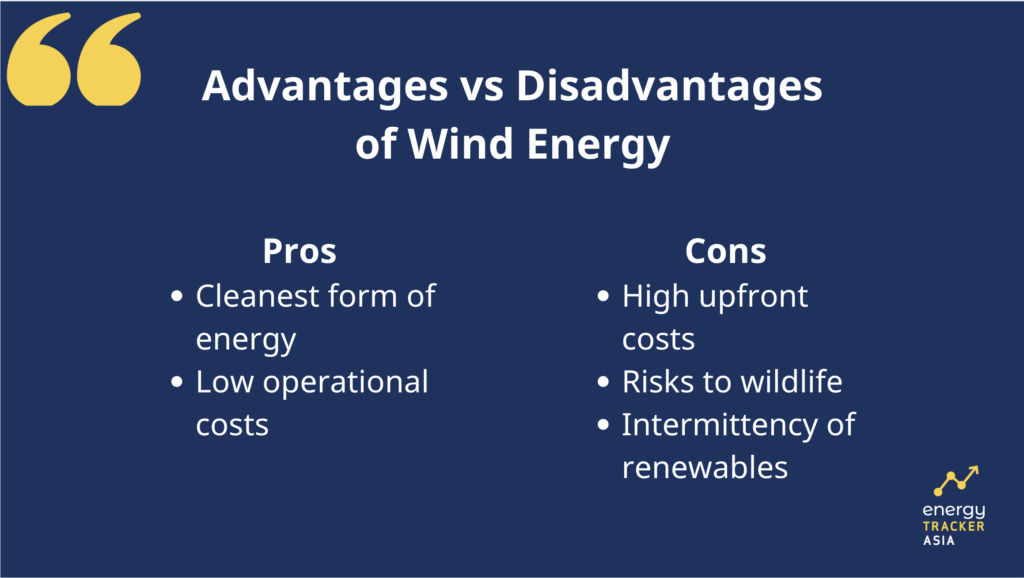
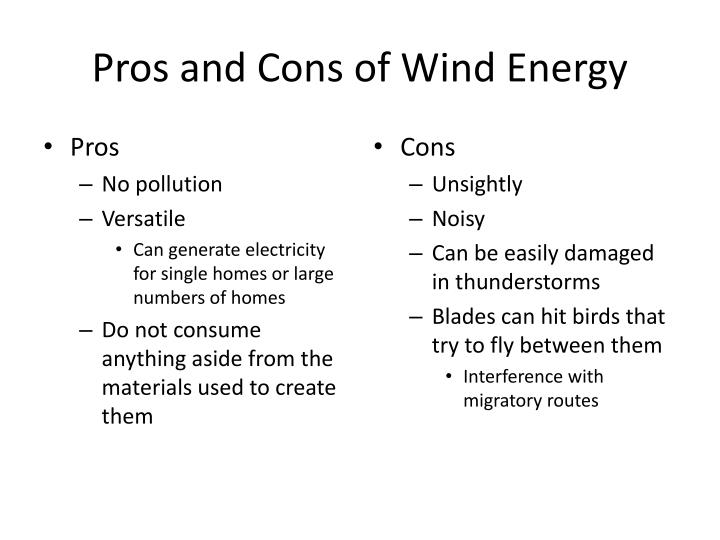
So, what are the big wins for wind? Firstly, as mentioned, it’s incredibly clean. No smog, no harmful emissions, just pure, quiet energy generation. Secondly, wind is a free and abundant resource. The wind is always blowing somewhere, and unlike coal or gas, we don't have to mine it or drill for it. This makes countries more energy independent and can even create new jobs in manufacturing, installation, and maintenance. On a smaller scale, you might even see personal wind chargers for camping or boats, illustrating how versatile this tech can be.
But, like any superhero, wind power has its kryptonite. The biggest challenge is its intermittency. The wind doesn't blow consistently all the time; sometimes it's too calm, sometimes it's too strong. This means wind farms can't always guarantee a steady supply of electricity, which can be tricky for power grids that need constant, reliable energy. Another common concern is the visual impact of large wind farms on landscapes and, for some, the low hum of the turbines can be an issue. There are also environmental considerations, like the potential impact on birds and bats, though significant efforts are made to site turbines responsibly and mitigate these risks.
You might encounter wind power in your daily life more than you think. Next time you flip a light switch, consider that a portion of that electricity could have come from a distant wind farm. In education, kids often build small wind-powered models as science projects, learning about kinetic energy and renewable resources firsthand. Some schools even have their own small turbines! It’s a tangible way to teach about sustainability.
Want to explore it yourself? It’s easier than you think! The next time you're driving and spot a wind turbine, take a moment to really look at it and consider the science behind it. You could even build a simple pinwheel or a small model turbine with household items to see how wind moves things. Many energy companies and environmental organizations have fantastic websites with interactive maps showing wind farm locations and detailed explanations. Watching a documentary about renewable energy or simply discussing it with friends and family can spark some really interesting conversations about our energy future. Wind power isn't just about massive machines; it's about a fascinating intersection of nature, technology, and our collective journey towards a more sustainable world.