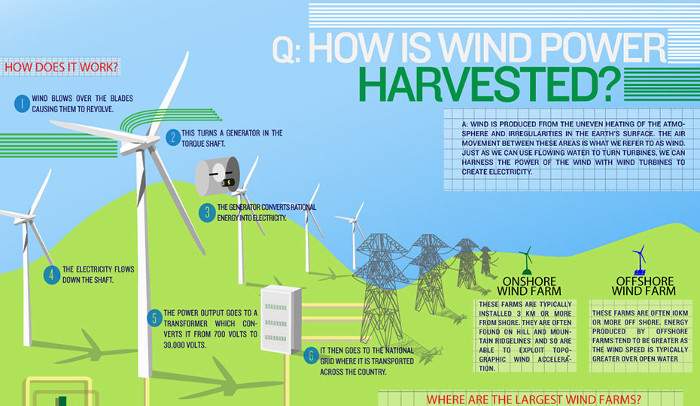
Hey there, ever caught yourself gazing at those giant wind turbines spinning gracefully on the horizon? They're pretty mesmerizing, right? Like silent sentinels harnessing an invisible force. It's easy to just see them as big fans, but there's a whole world of fascinating stuff going on behind those blades. Today, let's chat about these modern marvels, not in a stuffy, technical way, but more like a curious wander through their ins and outs. We're talking about the good bits and the not-so-good bits of wind farms.
It’s a bit like deciding whether to get a really cool new gadget. You weigh up how awesome it is against any potential quirks. Wind power is definitely one of those things that sparks a lot of conversation, and for good reason!
The Upside: Why Wind Power Rocks!
First off, let’s dive into why wind energy often gets a big thumbs-up. The most obvious, and arguably the most important, benefit is that it’s super clean energy. Think about it: no burning fossil fuels, no smoky chimneys, no nasty greenhouse gases contributing to climate change. It’s like magic, turning wind directly into electricity without leaving a carbon footprint. That’s a pretty huge deal for our planet!
And speaking of magic, wind is a renewable resource. As long as the sun shines and the earth rotates, we’ll have wind. It’s not going to run out like coal or oil. It’s literally an endless supply, just waiting to be tapped. Imagine having a never-ending snack bowl – that’s kind of what wind is for electricity generation.
Once those colossal turbines are built, the “fuel” – the wind itself – is absolutely free. This means the operational costs can be quite low compared to power plants that constantly need to buy and transport fuel. Plus, building and maintaining these farms creates a bunch of new green jobs, from engineers to maintenance crews. It’s a whole new industry blooming!
Also, wind farms can boost energy independence for countries. Relying less on imported fossil fuels means more stability and control over a nation's energy supply. It's like growing your own veggies instead of always going to the supermarket – more self-sufficient!
The Flip Side: What Are the Catches?
Okay, so it all sounds pretty peachy, right? But like anything good, there are always a few things to consider. Let’s look at the trickier aspects of harnessing the wind.
One of the first things people often notice is the visual impact. Those towering turbines, sometimes hundreds of feet tall, really change the landscape. For some, they’re symbols of progress and beauty, standing majestically against the sky. For others, particularly those living nearby, they can feel like a bit of an eyesore, dominating natural views. It's a subjective thing, like whether you prefer modern art or classic landscapes!
Then there's the noise. While not incredibly loud from a distance, if you live very close to a wind farm, you might hear a gentle but persistent whoosh-whoosh as the blades spin. It's not a roar, but more of a continuous background hum that can be a nuisance for some residents. Think of it like a fan in your room – usually fine, but sometimes you just want silence.
And let's not forget our feathered and winged friends. Wildlife concerns are definitely a thing. Birds and bats, unfortunately, can sometimes collide with the spinning blades. It's a serious issue, and developers are constantly working on solutions, like better placement, detection systems, and even painting blades to make them more visible. It's about finding that balance between clean energy and protecting nature.
Another big challenge is that wind isn't always blowing. It's intermittent. Some days it's gusty, some days it's totally still. This means wind farms can't always provide a consistent, reliable power supply on their own. They need backup power sources or clever energy storage solutions (like massive batteries) for those calm days. It's like relying on a friend who's super enthusiastic some days but a little quiet on others – you need a plan B!
Finally, there's the question of land use and initial cost. Building a large wind farm requires a significant amount of land, even if the land between turbines can still be used for farming. And while the "fuel" is free, the turbines themselves, along with all the infrastructure to get the power to our homes, are really expensive to build in the first place. It's a huge upfront investment, even if it pays off in the long run.
So, What's the Verdict?
Whew, that was a pretty good chat, wasn't it? As you can see, wind farms are a bit like a double-edged sword, or maybe more like a super exciting new recipe with some tricky ingredients. They offer immense potential for clean, renewable energy, helping us combat climate change and become more energy independent.
But they also come with challenges – visual impact, noise, wildlife concerns, and the need to manage their intermittent nature. It's not a simple "good" or "bad" situation; it's a complex balancing act.
Ultimately, understanding both the incredible benefits and the genuine drawbacks helps us have more informed conversations about how we power our future. These magnificent turbines are a fascinating part of that journey, and it's pretty cool to think about all the invisible forces they're wrangling for us!