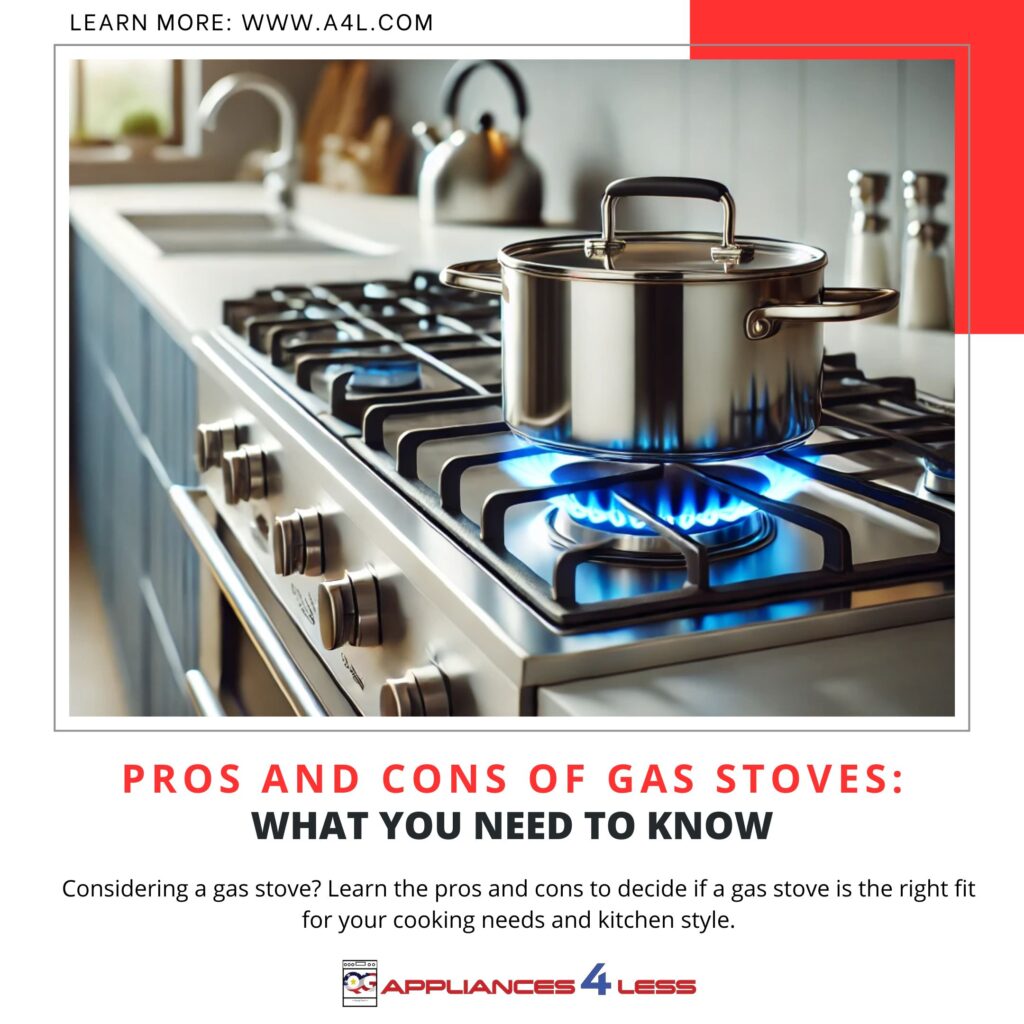
You know that feeling, right? That little sigh of satisfaction when you light up the stove, see the immediate blue flame dance, and your pan is already getting hot before you can even properly grab the olive oil. For so many of us, especially those who grew up watching a parent or grandparent whip up magic, the gas stove isn't just an appliance; it's a staple. It's the heart of the kitchen, the go-to for quick omelets, simmering sauces, and that perfect, rapid boil for pasta.
I remember moving into my first apartment with an actual gas range, not those finicky electric coils, and feeling like I'd finally made it to the big leagues of home cooking. The instant heat, the visible flame – it just felt professional. But lately, everywhere you look, there's a buzz. A conversation brewing louder than my morning coffee about these beloved gas stoves. Are they heroes or villains? Are we clinging to an outdated ideal? Let's dive in, shall we, and stir up some thoughts on the pros and cons.
The Good Stuff: Why We Love 'Em
First up, the love affair with gas stoves is real. And for good reason!
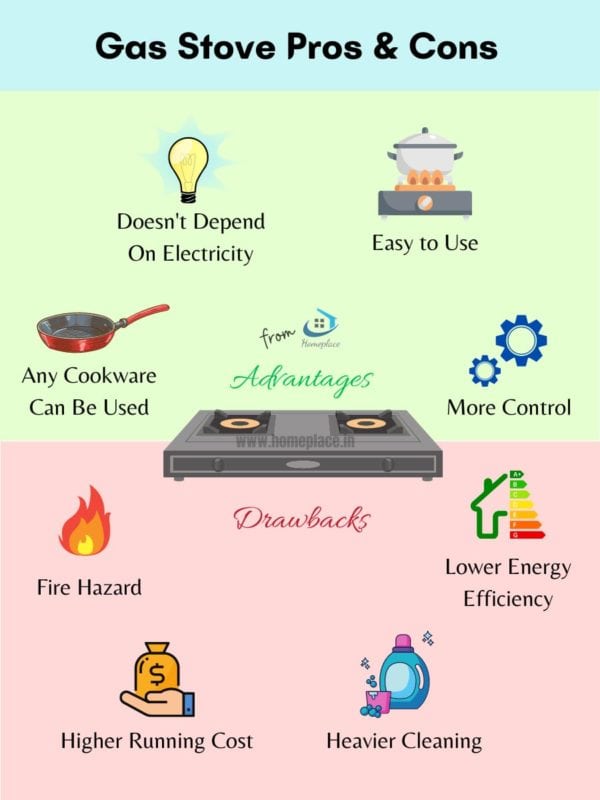
Instant Control & Visual Feedback: This is probably the biggest selling point. You turn the knob, you get heat. You turn it down, the heat drops immediately. No waiting for an electric coil to cool down. As a home cook, that precision is golden, especially when you’re trying not to burn the garlic. Plus, seeing the flame gives you a visual cue of exactly how much heat you're working with. It's intuitive, right?
Works During Power Outages: Okay, this is a niche pro, but a mighty one! Ever been in a blackout and still managed to make a hot meal or a cup of tea because your gas stove just needs a match or a built-in igniter? It's a small victory in a dark moment, and a definite win for preparedness.
Cookware Compatibility: Gas stoves are pretty chill when it comes to what pots and pans you use. Cast iron, stainless steel, non-stick – they all play nice. No special magnetic bottoms needed like with some induction tops. It's less fuss, which, let's be honest, is always a plus in a busy kitchen.
The "Chef's Choice" Vibe: Many professional chefs swear by gas. There's a certain tradition, a certain feel, to cooking with an open flame. It's hard to deny that appeal, isn't it?
The Not-So-Good Stuff: Time for a Reality Check?
Now, let's flip the burner to the other side, because our gas friends aren't without their controversies, especially in recent years.
Indoor Air Quality Concerns: This is the big kahuna, the one making headlines. Gas stoves, even when off, and especially when on, can leak methane. More importantly, when they're burning, they release pollutants like nitrogen dioxide (NO2), carbon monoxide (CO), and formaldehyde into your home. Think about it: a combustion engine right in your kitchen! These aren't great for our lungs, particularly for kids or people with respiratory issues. Yikes.
Climate Impact: Beyond your kitchen, there's the broader environmental picture. Natural gas is primarily methane, a potent greenhouse gas. From extraction to leakage in pipelines to combustion in our homes, gas stoves contribute to climate change. It’s part of a much bigger system, sure, but our individual choices do add up.
Safety Risks: While rare, gas leaks are a real danger and can be extremely serious. Also, an open flame always carries a higher risk of accidental burns or igniting nearby flammables compared to, say, an induction surface.
Cleaning Can Be a Pain: Those grates, am I right? All the nooks and crannies, the burnt-on bits. It’s definitely more involved than wiping down a flat glass-top surface. Sometimes I wonder if I spend more time scrubbing than cooking!
Less Energy Efficient (Potentially): A good chunk of the heat from a gas flame escapes around the sides of the pot, heating up your kitchen rather than your food. While natural gas might be cheaper than electricity in some areas, the efficiency of heat transfer isn't always top-tier.
So, What Now?
It's a tough one, isn't it? On one hand, the beloved workhorse that brings joy to our cooking. On the other, the growing awareness of its less-than-stellar impact on our health and the planet. It's not about ditching your gas stove tomorrow if you love it, but it is about being informed.
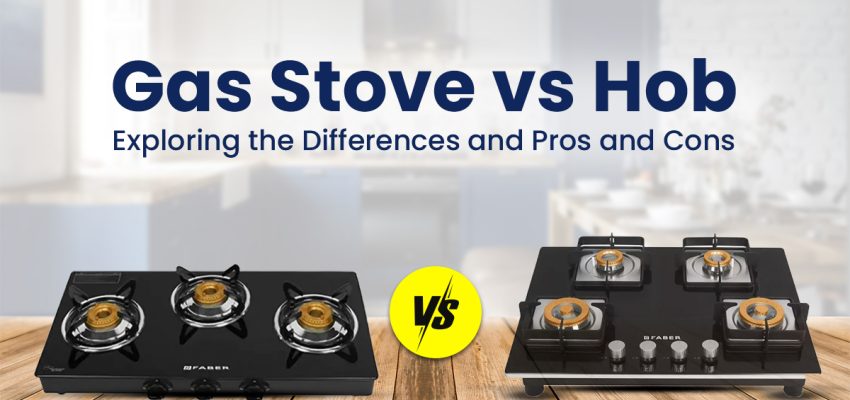
If you've got a gas stove, one of the absolute best things you can do is use a good ventilation hood every single time you cook. Seriously, vent that air out! And maybe get your gas lines checked periodically. If you're in the market for a new appliance, this information just gives you more to think about when weighing your options between gas, electric coil, or induction.
Ultimately, our kitchens are evolving, just like our understanding of what makes a home truly healthy and sustainable. It’s a fascinating conversation, and one that highlights how even the most mundane household items can spark some really important debates. What do you think? Are you team gas forever, or are these cons making you curious about alternatives?