Okay, so we're talking about gas ranges, huh? Pull up a chair, grab your imaginary latte. This is one of those kitchen debates that can get pretty heated, pun *absolutely* intended. It’s like, do you prefer cats or dogs? Pineapple on pizza, or are you a monster? Everyone’s got an opinion, and frankly, both sides have some pretty solid points. Let’s dive in, shall we?
The Good Stuff: Why We Love That Flame
First up, let’s talk about the absolute joy of cooking with gas. And yes, I said joy! If you’re a control freak in the kitchen – and who isn’t, a little bit? – gas is your jam.
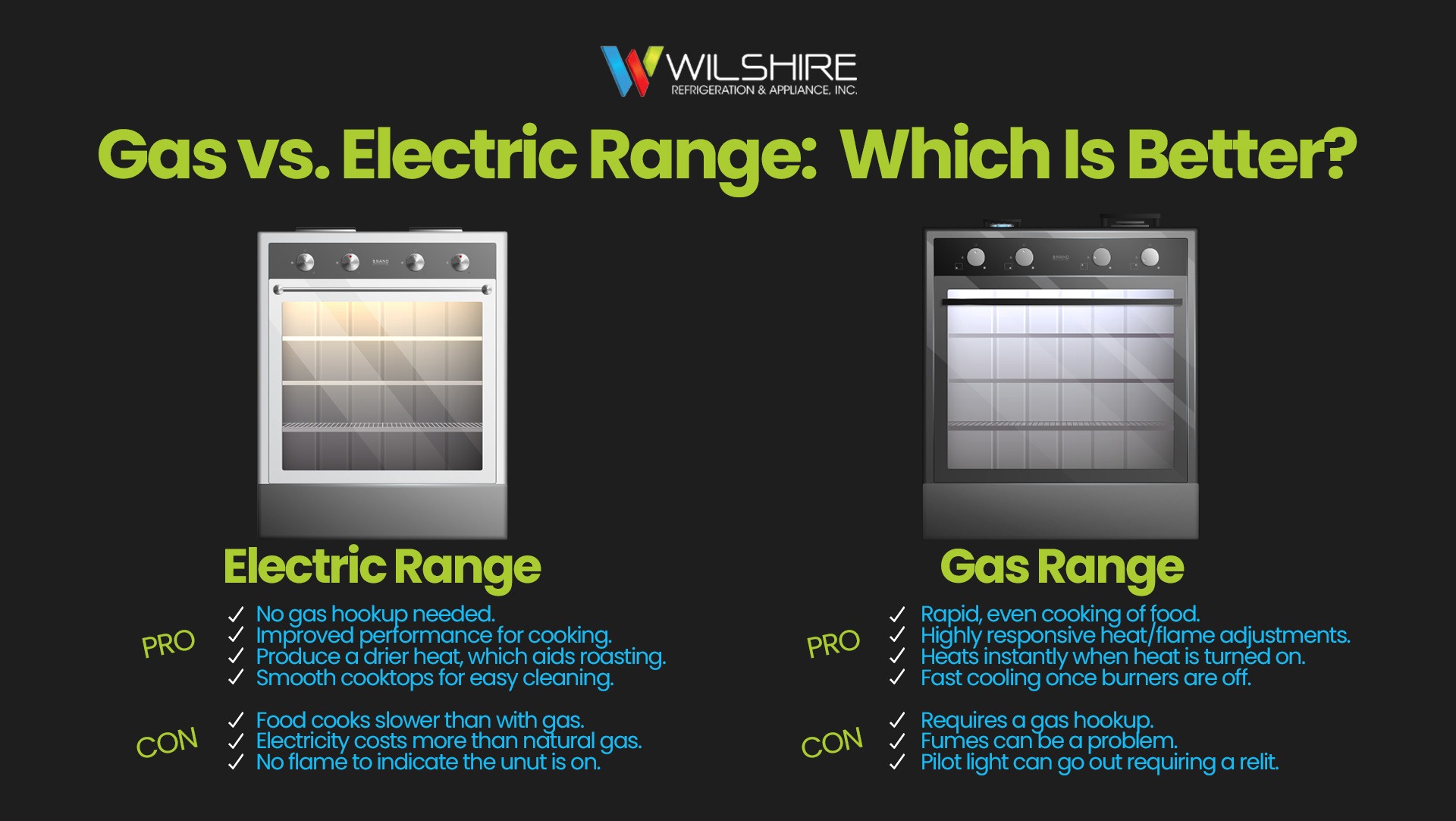
You know that moment when you need to bring something to a boil, then instantly drop it to a simmer? With gas, it’s like magic. You turn that knob, and bam!, the flame responds immediately. No waiting for an electric coil to slowly cool down, doing that annoying residual heat thing. It’s all about instantaneous control. Seriously, it's a game changer for delicate sauces or searing a steak just right.
And let's be real, there’s something incredibly satisfying, almost primal, about seeing that blue flame dance under your pot. You can visually gauge the heat. Is it a whisper? A roar? No guessing games, no confusing heat settings marked with vague numbers. You just *know*. It feels very chef-y, doesn't it?
Here’s another big one, especially if you live somewhere with, shall we say, characterful weather or a slightly dodgy power grid: gas works when the power goes out. Think about it! While your neighbors are mourning their sad, cold takeout, you’re still whipping up a hot meal. Granted, the oven often needs electricity for the igniter and display, but those stovetop burners? They’re usually good to go with a match or a long lighter. Emergency chili, anyone?
Oh, and for all you wok enthusiasts or anyone who loves to char peppers directly over an open flame (so much better than trying to do it in the broiler!), gas is just superior. It hugs the curve of a wok perfectly, distributing heat like a dream. Try that on a flat electric burner – good luck!
The Not-So-Great Stuff: When Gas Gives Us Grief
Alright, alright, enough gushing. Let's flip the coin. Because while gas ranges are fantastic, they're not without their little quirks and, dare I say, outright annoyances.
The first thing that comes to mind for many is cleaning. Ugh. Those grates! All those nooks and crannies where spilled sauce, burnt cheese, and general kitchen debris love to hide and get all crusty. It’s not a quick wipe-down situation, is it? Often it involves removing multiple heavy grates, soaking, scrubbing… Honestly, sometimes I just stare at them and consider ordering takeout instead. It’s a definite drawback if you’re not a fan of elbow grease.
Then there's the whole safety thing. Now, modern gas ranges are incredibly safe, don't get me wrong. But you are, well, cooking with *gas* and an *open flame*. There's always that tiny worry of a gas leak (though modern ranges have safety shut-offs) or, you know, setting your dish towel on fire because you put it too close to the burner. It’s not an everyday occurrence, thankfully, but it’s something to be aware of, especially if you have curious little ones or pets.
This next point is getting more attention lately: indoor air quality. When you burn natural gas, it releases pollutants like nitrogen dioxide. This is why good ventilation is absolutely crucial with a gas range. You really need a decent range hood that vents *outside* your house, not just recirculates the air. If you're not properly venting, those pollutants can build up, which isn't exactly ideal for your lungs. It's a bit of a buzzkill, I know, but important!
And let's talk efficiency for a sec. While gas is great for control, a good chunk of that heat actually escapes *around* your pot, warming up your kitchen instead of your food. So, while you get instant responsiveness, it's not the most energy-efficient heat transfer method compared to, say, induction. You pay for that lovely flame, sometimes literally.
Finally, there's the installation hurdle. If your home doesn't already have a gas line hooked up to the kitchen, getting one installed can be a significant, and expensive, project. It's not as simple as plugging it in like an electric stove. This alone can be a deal-breaker for many, forcing them into the electric camp whether they like it or not.
So, What's the Verdict?
Honestly? There’s no single "right" answer. If you crave that granular control, the visual feedback, and the ability to cook when the grid goes down, gas might be your soulmate. You’ll probably shrug off the cleaning and make sure your ventilation is top-notch. But if the thought of scrubbing grates makes you shudder, or if indoor air quality and installation costs are big concerns, then perhaps electric or even induction is calling your name.
It really boils down to your priorities, your cooking style, and frankly, what you're willing to put up with. Both are great tools; they just come with their own little personalities. What do you think? Are you team gas, or do you swing another way?