Ever flicked a light switch without a second thought? Or charged your phone while scrolling endlessly through cat videos? We live in a world utterly dependent on electricity, and it’s truly fascinating to peek behind the curtain and understand where all that juice comes from. Today, let’s dig into something that has literally powered our world for centuries: coal power. It might sound a bit dry, but trust me, understanding its journey from rock to power is a wild ride through history, science, and some really important global conversations.
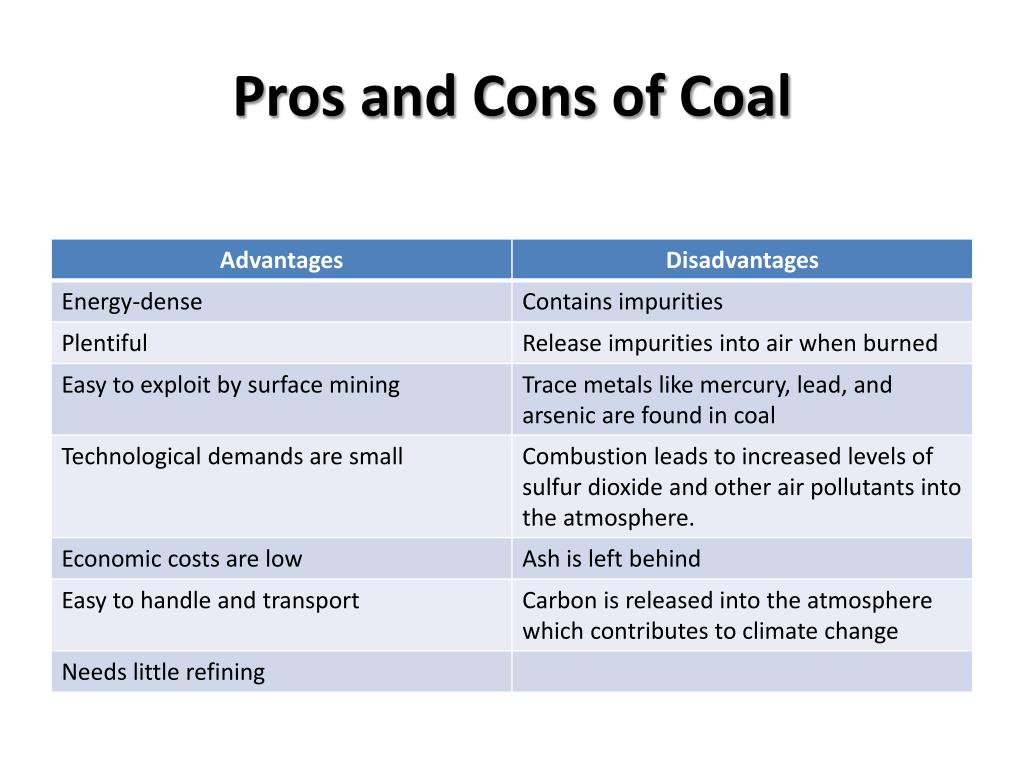
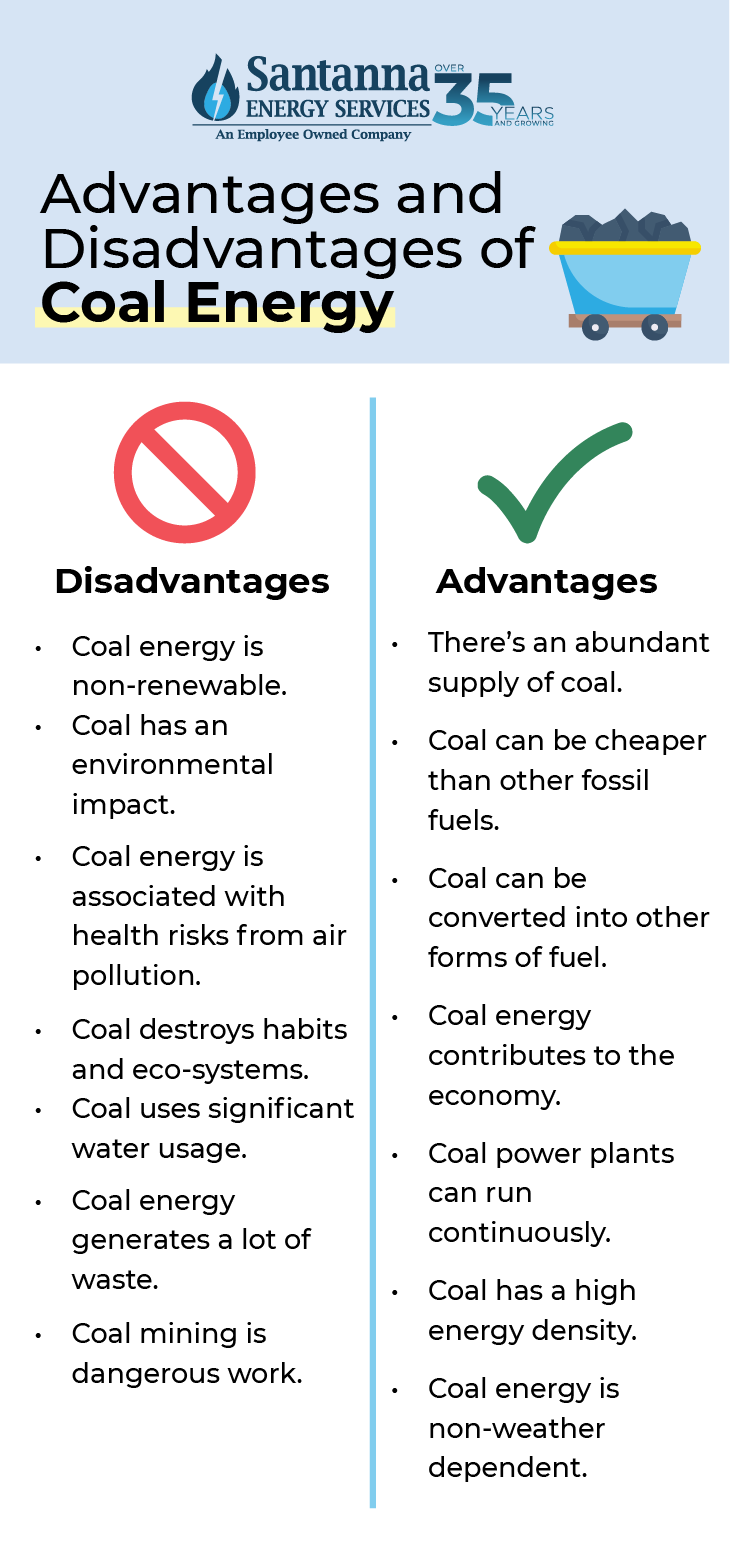
So, what exactly is coal power’s big purpose? In a nutshell, it’s about turning a dark, rocky material into the electricity that brightens our lives. The main benefit, historically speaking, is that coal is incredibly abundant. We found it pretty much everywhere, and it was relatively cheap to mine and transport. This made it the go-to fuel during the Industrial Revolution, literally fueling factories, trains, and eventually, the power plants that brought electricity to homes. Imagine the sheer progress and innovation coal made possible! It's a dense energy source, meaning a small amount can produce a lot of power, and it’s pretty straightforward to store for long periods, unlike, say, sunshine or wind.
You might not directly see coal being shovelled into a furnace in your daily life, but its legacy and impact are everywhere. That electricity powering your fridge, your school’s computers, or even the hospital's life-saving equipment has, at some point or in some place, likely come from a coal-fired power plant. In education, coal is a fantastic subject! Geologists study its formation over millions of years, economists analyze its market impact, and environmental scientists debate its future. It’s a tangible link to learning about energy conversion, industrial history, and the evolution of human civilization.
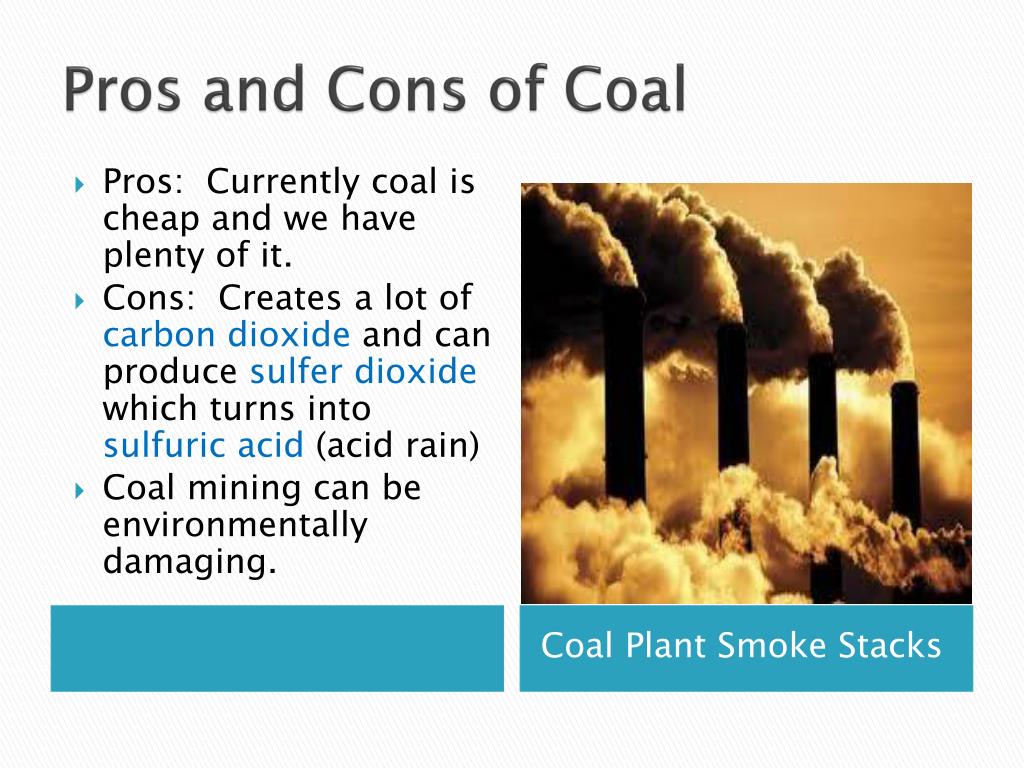
But, like any powerful tool, coal power comes with its own set of challenges, which is where our curiosity really gets piqued. While it offered incredible benefits, we’ve also learned about its significant downsides. Burning coal releases pollutants like sulfur dioxide, nitrogen oxides, and most notably, large amounts of carbon dioxide – a major contributor to climate change. This has led to environmental concerns, health impacts, and the urgent global push for cleaner energy. It’s a fascinating dilemma: a power source that lifted humanity but now presents a huge environmental hurdle.
So, how can you explore this topic further in a simple, practical way? First, simply observe your own energy consumption. How much electricity do you use daily? Second, do a quick online search for your country’s (or even your local utility’s) current energy mix. You might be surprised to see how much coal is still in the picture, or how rapidly it's being phased out! Third, read up on renewable energy sources like solar, wind, and hydro. Compare their benefits and drawbacks to coal. And finally, consider visiting a science museum or a local nature center; many have exhibits on energy generation and climate change. It’s a great way to understand the complex journey from raw earth materials to the power grid, and to ponder the future of our energy landscape.