Imagine a cozy evening at home, perhaps a delicious meal simmering on the stove, or the comforting warmth radiating from your furnace on a chilly winter's day. For many of us, these everyday comforts are powered by something often taken for granted: natural gas. It's the silent workhorse behind much of our modern convenience, making our lives warmer, brighter, and significantly easier. But like any powerful tool, it comes with its own set of fascinating complexities, offering both incredible advantages and considerable challenges.
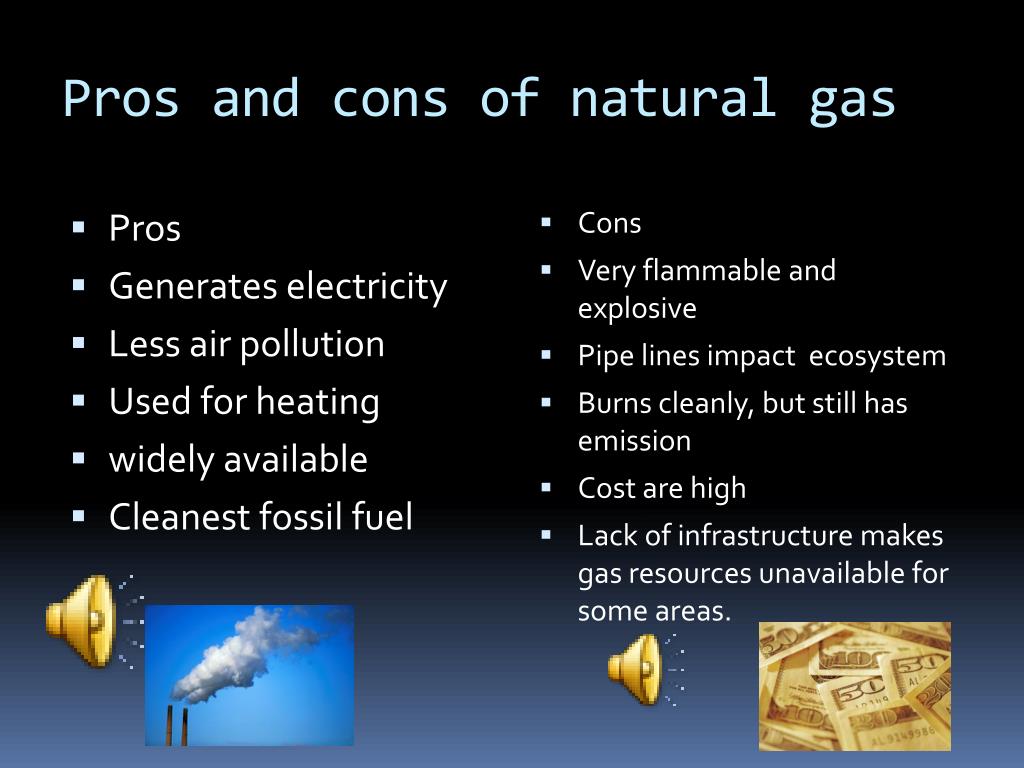
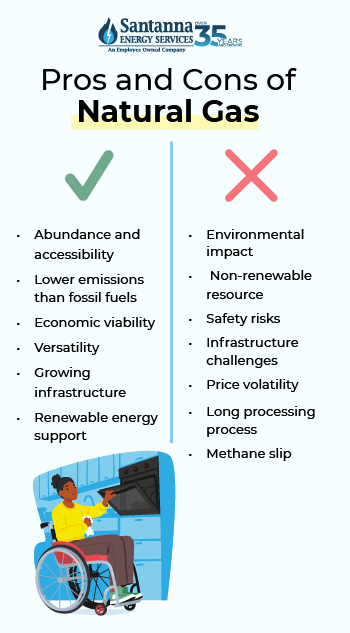
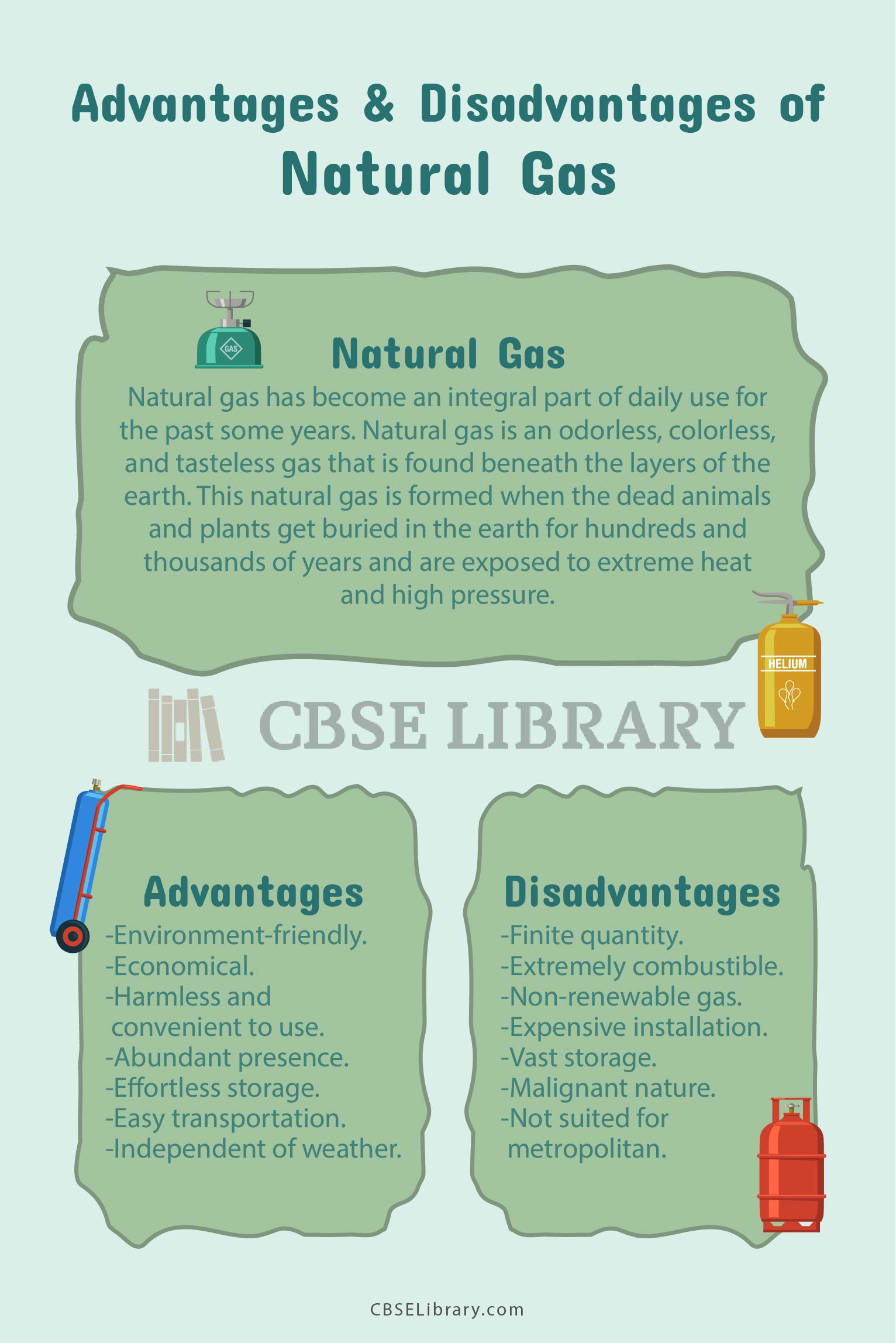
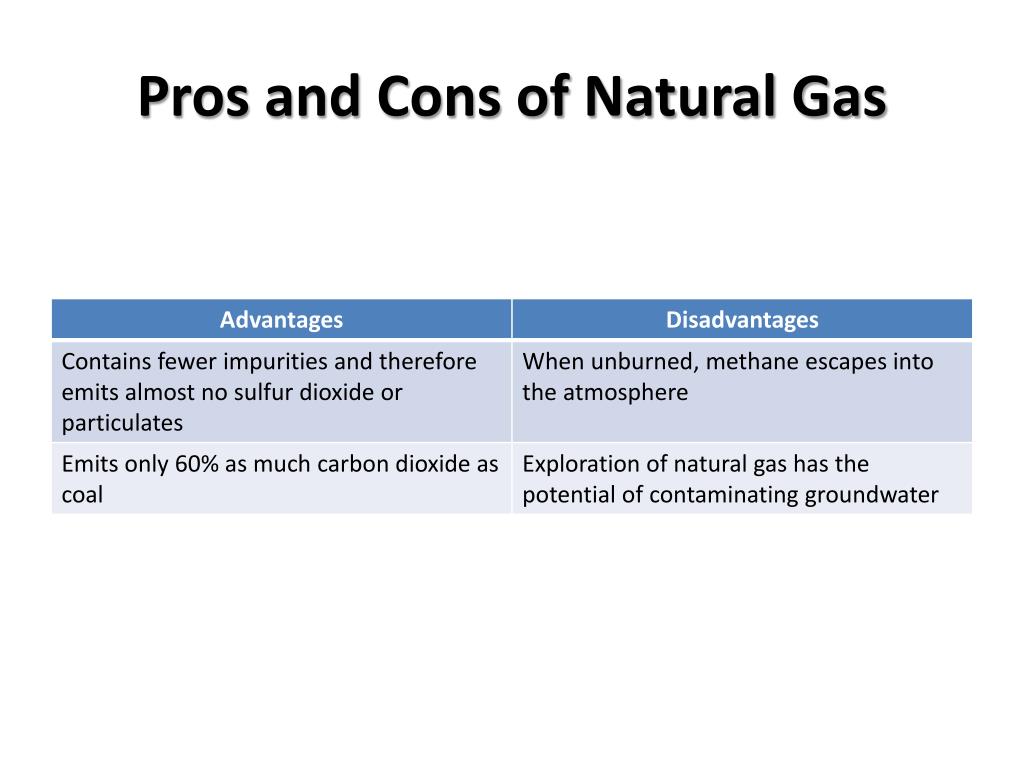
At its heart, natural gas is a fossil fuel, primarily methane, formed over millions of years. Its primary purpose is to provide efficient and reliable energy for our homes. Think about that instantaneous flame on your gas range, offering precise temperature control for cooking. Your hot showers and baths? Often heated by a natural gas water heater. And when winter bites, natural gas furnaces keep millions of homes snug, often more cost-effectively than electric alternatives. Beyond our homes, it's critical for electricity generation, industrial processes, and even some vehicles. It's highly versatile and, compared to other fossil fuels like coal, burns significantly cleaner, producing less carbon dioxide and fewer pollutants during combustion.
However, the story of natural gas isn't without its shades of grey. While cleaner than some, it's still a fossil fuel, contributing to climate change. The biggest concern lies with methane itself; it's a potent greenhouse gas, meaning leaks from pipelines or production sites can have a significant environmental impact, sometimes more damaging in the short term than CO2. Extraction methods, particularly hydraulic fracturing (fracking), also raise environmental questions, from water usage to potential seismic activity. Plus, safety is key: although rare, gas leaks can be dangerous, necessitating vigilance and proper appliance maintenance. It's a constant balancing act between its utility and its long-term environmental footprint.
So, how can we best engage with this powerful resource? To truly "enjoy" natural gas more effectively, it boils down to two key things: safety and efficiency. Firstly, always be aware of the distinct "rotten egg" smell added to natural gas to help detect leaks. If you smell it, ventilate, exit, and call your gas provider immediately. Installing carbon monoxide detectors is also a non-negotiable step for any home using gas appliances, as this odorless, colorless gas can be deadly. Secondly, maximize its efficiency: ensure your furnace and water heater are serviced annually, clean stove burners regularly, and consider upgrading to energy-efficient models. Proper insulation and sealing drafts will also mean your furnace works less hard, saving energy and money.
Natural gas is an undeniable cornerstone of modern life, offering comfort and convenience many of us rely on daily. Understanding its benefits, acknowledging its drawbacks, and adopting safe, efficient practices allows us to appreciate its role while also pushing for a more sustainable energy future. It's a reminder that even common utilities deserve our thoughtful consideration.