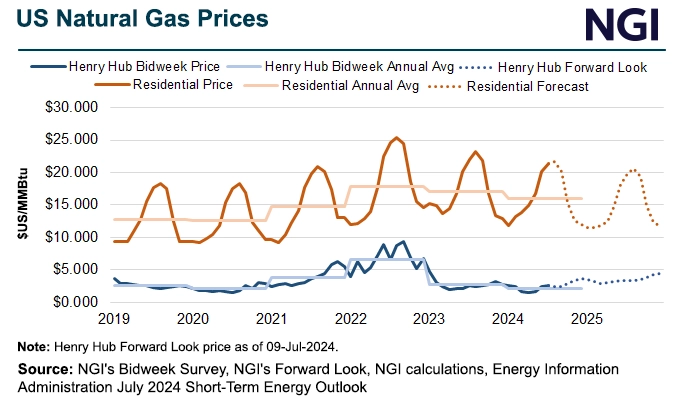
Remember that last brutal cold snap? You know, the one where you seriously questioned if your bones would ever thaw, and your fingers hovered over the thermostat, contemplating cranking it up to a ludicrous, tropical temperature?
My immediate instinct, in those moments, is always to reach for the 'heat' button. And then, a few weeks later, the bill arrives. My eyes typically gravitate straight to that 'gas usage' line. And let me tell you, sometimes it feels like I'm looking at the price of gold, not just the stuff that keeps my toes from turning into ice cubes.
That little line item, my friends, is our direct, monthly, often painful connection to the fascinating, frustrating, and sometimes utterly bewildering world of natural gas prices in the USA. Ever wonder why it's such a rollercoaster? One month you're feeling smug, the next you're rationing hot showers? Let's dig in, shall we?
The Basics: Supply & Demand (Duh!)
Okay, so this isn't rocket science, right? More gas available + less demand = lower prices. Less gas available + more demand = higher prices. Simple enough in theory.
But what exactly makes those supply and demand needles swing wildly from one extreme to the other? It's a whole complex web, trust me.
Weather: The Unsung Kingmaker
Oh, Mother Nature, you capricious beast! The biggest, most immediate mover of natural gas prices is often... the weather. And yes, I'm talking about more than just your local forecast.
Think about it: a brutally cold winter across half the country? Boilers working overtime. Thermostats cranked. Demand spikes. Prices follow. Same goes for those scorching hot summers when natural gas fuels power plants to keep our AC humming.
It's like a national game of 'guess the temperature' that directly impacts your wallet. Who knew meteorology could be so financially impactful?
America's Natural Gas Boom (and its Irony)
Here's where it gets really interesting, especially for us Americans. Thanks to the fracking revolution over the last couple of decades, the U.S. is now a natural gas superpower. Seriously, we're sitting on a mountain of the stuff!
We went from being a net importer to a significant exporter. You'd think that would mean consistently dirt-cheap prices for everyone, all the time, right? Well, not always, dear reader. And here's the kicker...
The World Wants Our Gas! (LNG Exports)
Remember all that gas we're producing? We're not just keeping it for ourselves anymore. We're liquefying it (that's LNG for the uninitiated) and shipping it overseas. Big time.
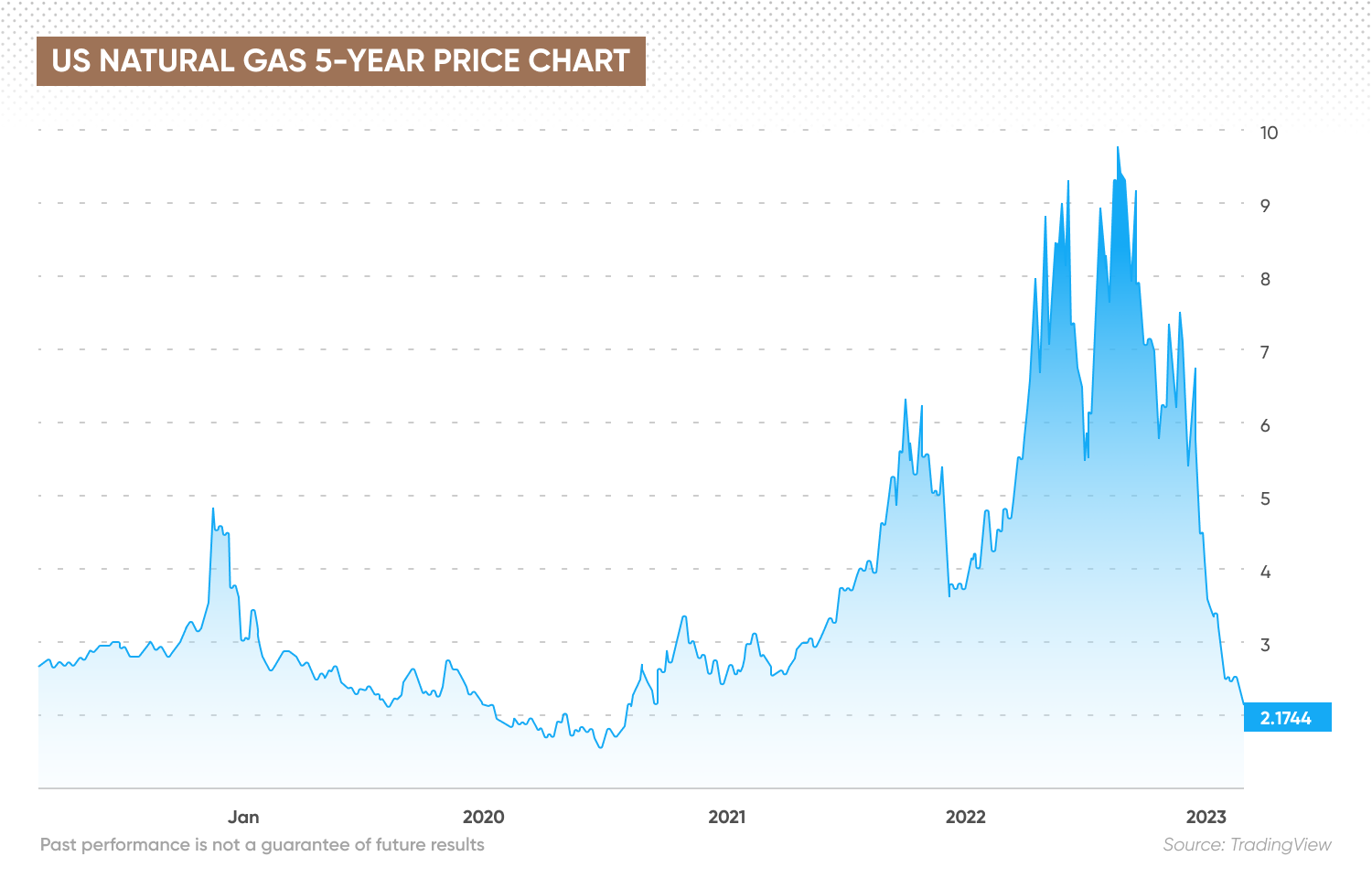
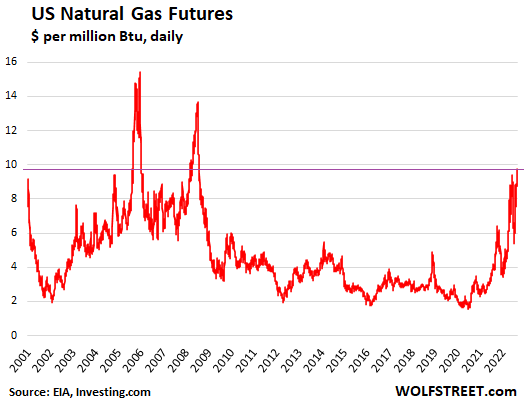
Especially with geopolitical shenanigans happening – cough, Ukraine war, cough – demand for our LNG has skyrocketed in places like Europe. When global demand for U.S. natural gas is high, guess what happens to the price we pay domestically? Yup. Up it goes.
It's the ultimate 'sharing is caring' scenario, except our utility bills might not always agree. It's a tricky balance between domestic needs and global energy security, isn't it?
Storage & Infrastructure: The Hidden Gears
Beyond the big headlines, there are other silent players. How much gas is sitting in storage facilities? If inventories are low going into winter, markets get twitchy. If they're flush, prices might ease.
And then there's the spaghetti network of pipelines. Getting the gas from where it's produced (like the Marcellus Shale in Pennsylvania) to where it's needed (your cozy living room) requires massive infrastructure. Bottlenecks or capacity issues can create regional price disparities.
It's like having a fridge full of food but no road to get it to your house. Essential, but often overlooked in the daily news cycle.
Your Local Utility & You
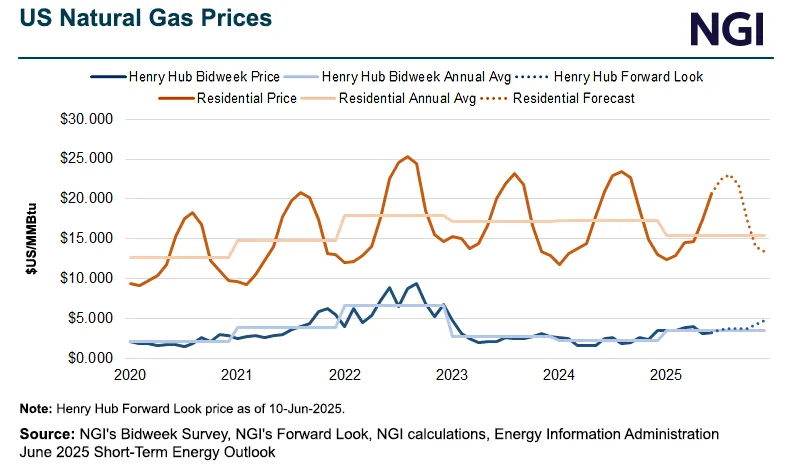
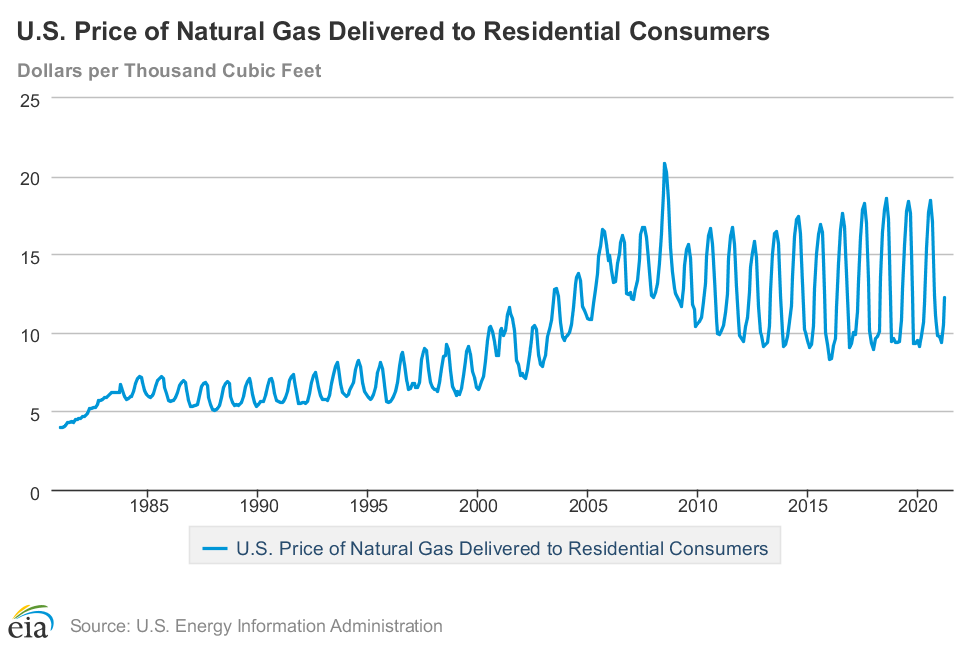
Finally, don't forget your local gas company. They buy natural gas on the wholesale market and then pass those costs (plus their own operating expenses, distribution fees, and regulated profits) onto you.
So, while national and global trends set the baseline, your specific utility's contracts, state regulations, and even how efficiently they manage their network can play a role in that final number on your bill. It's complicated, isn't it? A wild mix of global economics, geology, and your own thermostat settings.
So, the next time that heating bill lands, or you hear a news report about energy prices, you'll know it's not just some random number pulled from thin air. It's a complex dance between Mother Nature, global politics, underground geology, and a whole lot of very smart (and sometimes very stressed) people in trading pits.
And maybe, just maybe, understanding it all makes that bill a tiny bit less terrifying. Or at least you'll have some good trivia for your next dinner party. You're welcome!
Now, if you'll excuse me, I'm off to check the long-range weather forecast... just in case.