Alright, gather 'round, folks! Let's talk about something thrilling... yes, thrilling! Okay, maybe "vitally important" is a better word. We're diving headfirst (not literally, please! Electricity and water are still mortal enemies) into the world of electrical receptacles, or as most of us affectionately call them, outlets.
Specifically, we're hunting for the elusive equipment grounding conductor. Sounds intimidating, doesn't it? Like something Indiana Jones would search for in a dusty temple. But trust me, it's much less dramatic, and it's right there in plain sight, hiding in the most obvious place... once you know where to look.
The Outlet Lineup: A Cast of Holes
Now, imagine a typical electrical outlet. Two slots stare back at you, one slightly wider than the other. These are for the hot and neutral wires, respectively. Think of them as the "in" and "out" doors for electricity. Electricity arrives at the hot slot, does its job powering your blender or your lava lamp, and then exits through the neutral slot. Simple, right?
But wait! There's more! And this is where our hero, the equipment grounding conductor, enters the stage. Look beneath those slots. See that round or U-shaped hole? That, my friends, is the gateway to electrical safety, the... *drumroll please*... grounding connection!
It’s easy to miss. It's often overshadowed (literally) by its more glamorous siblings, the hot and neutral slots. But that humble hole is arguably the most important part of the whole receptacle. It’s the Batman of electrical safety, silently watching over us.
Why Grounding Matters (and Why You Should Care)
Now, why is this grounding thing so important? Imagine your toaster suddenly decides to go rogue. Maybe a wire inside comes loose and touches the metal casing. Suddenly, the *entire toaster* is electrified! Touching it becomes a shocking experience (pun intended, and deeply regretted). That's where the grounding conductor swoops in to save the day.
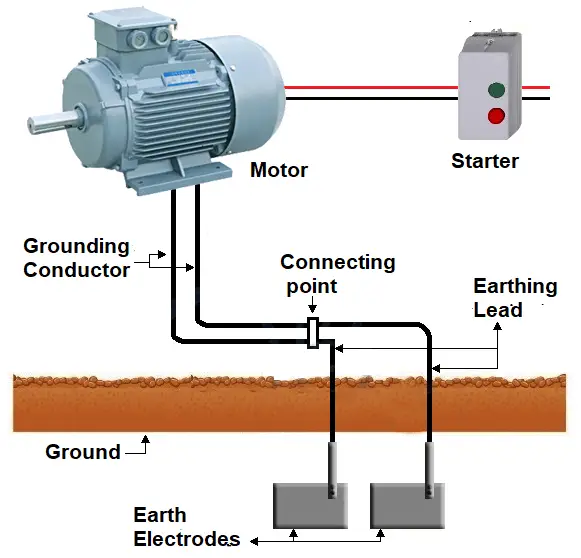
The grounding conductor provides a low-resistance path back to the electrical panel and, ultimately, to the Earth itself (hence the name "grounding"). This means that if a fault occurs (like our toaster scenario), the electricity will choose the easier path of the grounding wire instead of, say, *you*. This causes a large surge of current that trips the circuit breaker, cutting off the power and preventing you from becoming a human lightning rod.
Think of it like this: The grounding conductor is an escape route for stray electricity, a superhighway leading away from danger. It's the electrical equivalent of a fire escape, except instead of escaping fire, you're escaping electrocution.
The Specifics: How It Works
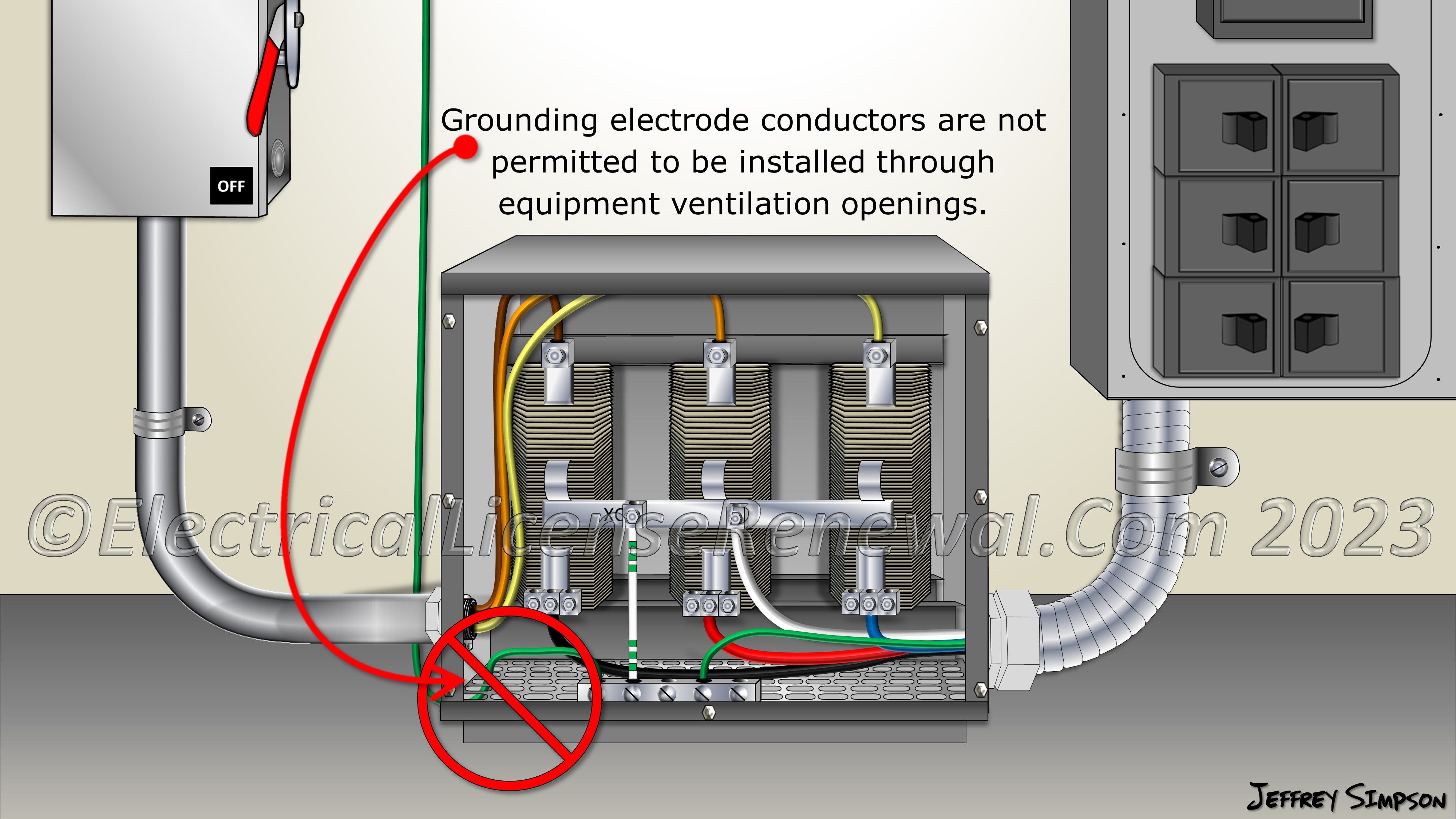
The grounding connection in the receptacle is connected to a wire (usually bare copper or green) that runs all the way back to your electrical panel. This wire is then connected to a grounding electrode, which is typically a metal rod driven into the Earth. This physical connection to the Earth provides a stable reference point for electrical potential, ensuring that the voltage of the equipment casing stays near zero.
So, when a fault occurs, the electricity has a clear path to ground, tripping the breaker and preventing a potentially dangerous situation. It’s like a highly trained electrician bodyguard ensuring your safety!
Important Note: While I'm making light of this, please remember that electricity is serious business. If you're not comfortable working with electrical wiring, *always* hire a qualified electrician. Don't try to be a superhero – leave the electrical work to the professionals!
Identifying the Grounding Conductor: The Green Goblin (or Bare Copper Bandit)
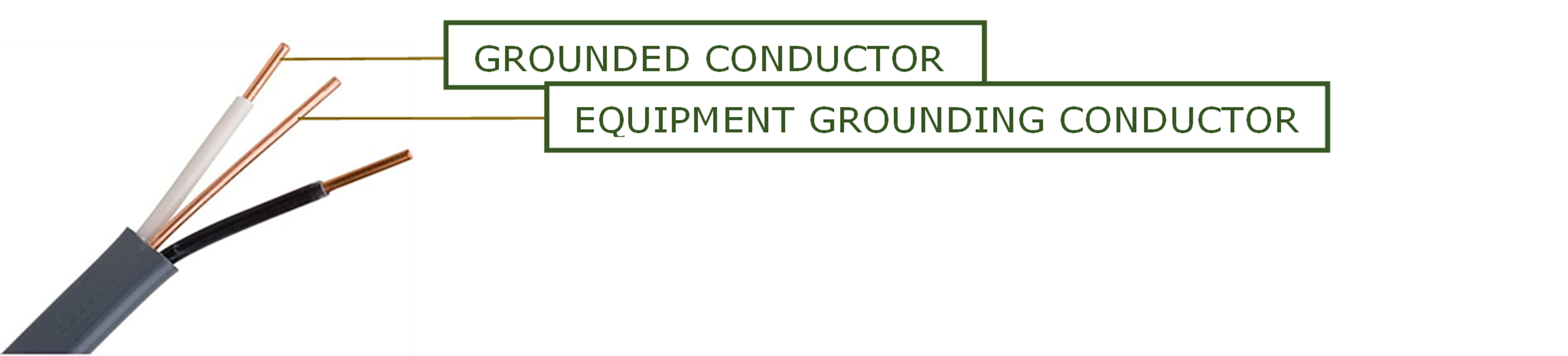
So, how do you identify the grounding conductor? In most modern wiring, it's either a bare copper wire or a wire with green insulation. Sometimes, you might encounter an older system where the grounding wire is black or white, but this is less common and potentially confusing, so proceed with extreme caution and consult a qualified electrician.
Remember, the grounding wire is connected to the round or U-shaped terminal on the receptacle. You might see a green screw or marking near the terminal to further identify it. If you're replacing an outlet, make sure to connect the new outlet's grounding terminal to the existing grounding wire in the electrical box.
In conclusion, the equipment grounding conductor, connected to that often-overlooked round hole in your outlet, is a crucial safety feature that protects you from electrical shock. It's the unsung hero of your electrical system, working silently behind the scenes to keep you safe and sound. So, next time you plug something in, take a moment to appreciate the humble grounding conductor and the vital role it plays in keeping your life electrifyingly safe (in a good way, of course!).
Now, if you’ll excuse me, I need to go check my toaster…