Alright, pull up a chair, grab your favorite brew. We're about to dive into the sticky, sloshy, utterly fascinating world of oil. You know, that stuff that literally makes our modern world go 'round? Yeah, the black gold, Texas tea, the crude awakening for our planet – take your pick of dramatic nicknames. It's like that one relative everyone has: you can't live with them, and you definitely can't live without them… at least not yet!
Let's be honest, most of us only think about oil when we're filling up the gas tank, grumbling about prices, or perhaps watching a dramatic documentary about polar bears. But this stuff is everywhere. It’s in your phone case, your mascara, those comfy sneakers you’re wearing, probably even the ink on this very (imaginary) newspaper you're pretending to read. It's less a single ingredient and more a foundational element, like gravity, but with a lot more drama.
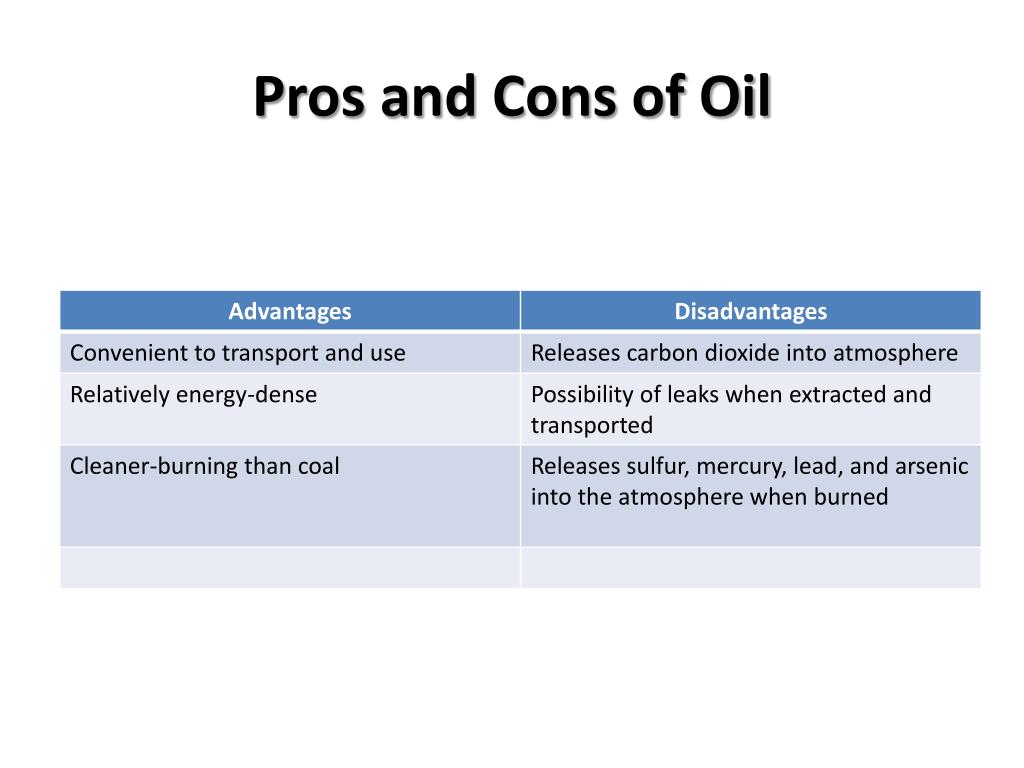
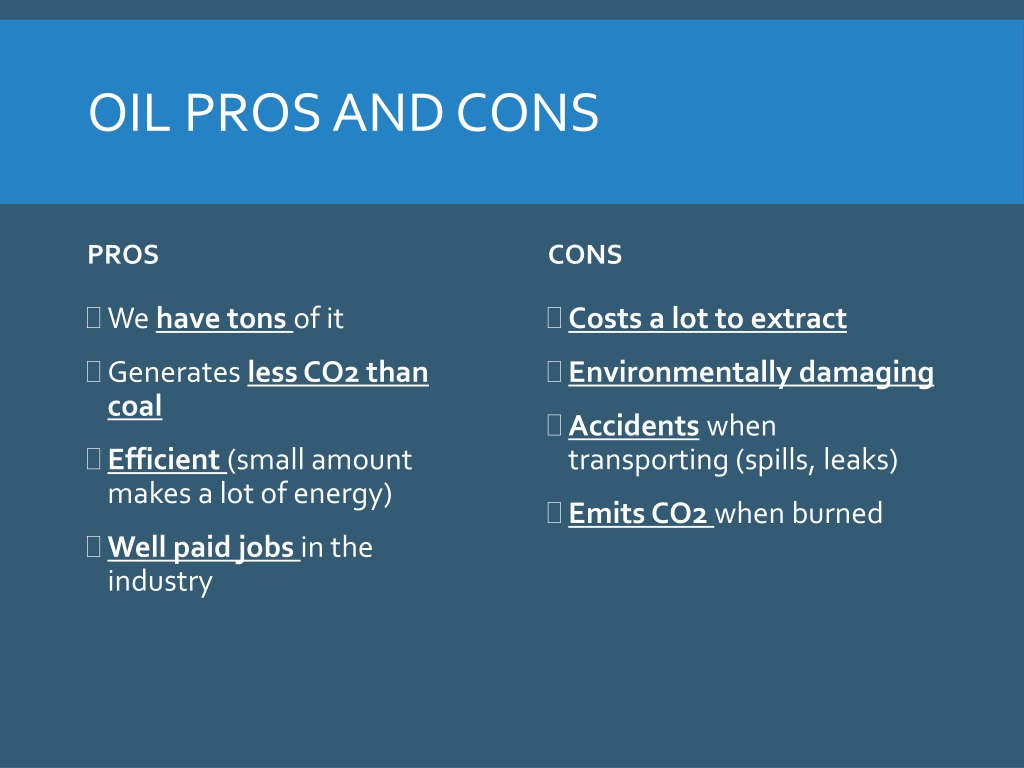
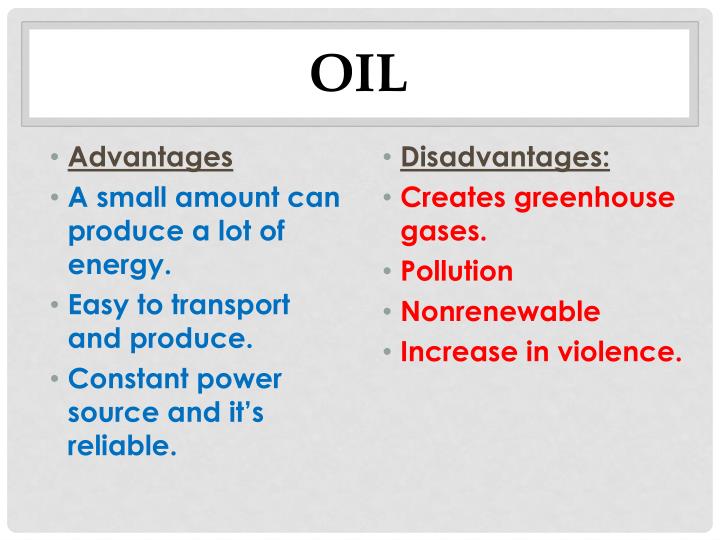
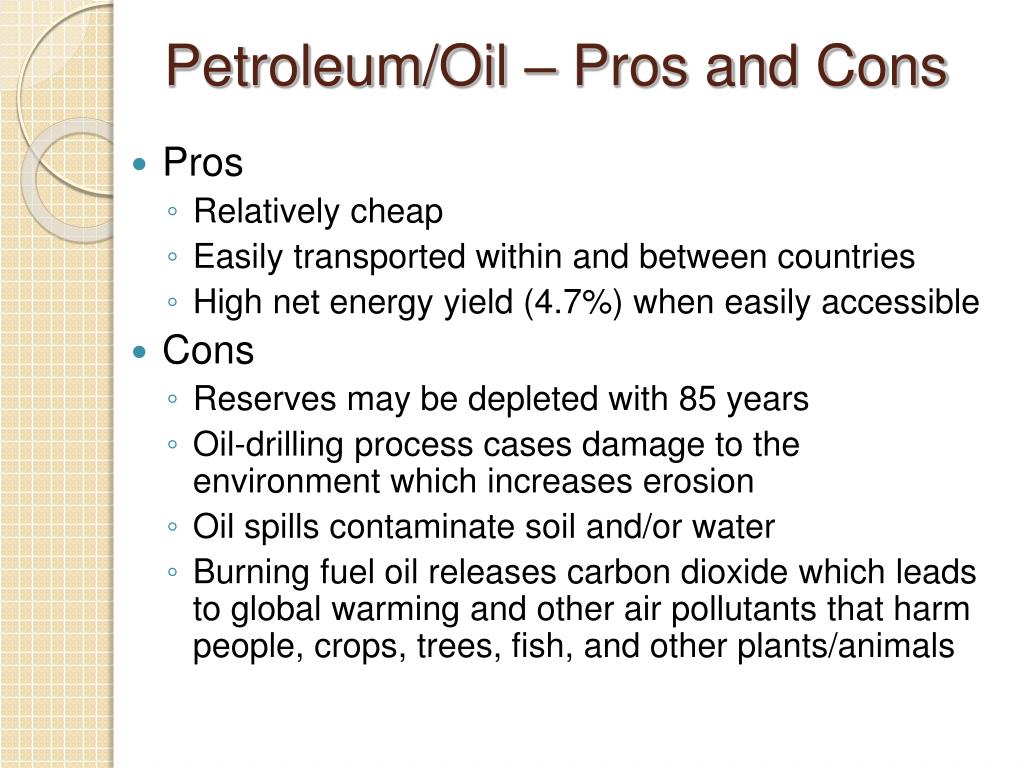
The "Oh Wow, Oil!" Side (The Pros)
First up, let’s give credit where credit’s due. Oil has been a total rock star for humanity. Imagine a world without it. We’d be back to horse-drawn carriages, candles, and sending messages via carrier pigeon – which, let's face it, sounds charming for about five minutes until you need to order pizza. Oil gave us the internal combustion engine, and with it, the freedom to zoom across continents, deliver goods, and even fly faster than any pigeon ever dreamed.
Think about the sheer convenience. Your groceries? Likely trucked in. Your Amazon package? Definitely on a big ol’ ship or plane, then a truck. Your morning commute? Unless you're on a bike (and good for you!), you’re probably burning some dinosaur juice. It’s like the ultimate cheat code for speed and mobility. Without it, our global supply chains would collapse faster than a house of cards in a hurricane. Poof! No more avocados in January.
And it's not just fuel! This is where it gets surprising. Oil is the grandaddy of plastics, which, for all their environmental woes (we'll get to that!), have revolutionized medicine, food preservation, and nearly every aspect of manufacturing. Ever had surgery? Thank oil for those sterile instruments and disposable medical supplies. Your contact lenses? Oil. Aspirin? Oil. That weird synthetic fabric in your comfy loungewear? You guessed it. It's the ingredient that keeps on giving, transforming into literally tens of thousands of products we use daily. It's like a magic trick, but instead of a rabbit, you get a toothbrush.
Economically, oil has fueled entire nations. It creates jobs, drives industries, and has been the backbone of global trade for a century. Countries that struck oil suddenly found themselves with a golden ticket, transforming landscapes and economies overnight. It’s a massive job creator, from the roughnecks on the rigs to the scientists refining petrochemicals, to the truck drivers delivering fuel to your local gas station. It’s a massive, interconnected web, almost like the world's circulatory system, but instead of blood, it's black goo.
The "Uh-Oh, Oil!" Side (The Cons)
Okay, now for the part where our planet gives us the side-eye. All that burning, all that extracting, it comes with a pretty hefty price tag. The big kahuna of cons is, of course, climate change. Burning fossil fuels releases greenhouse gases, trapping heat like a giant invisible blanket around Earth. The result? Melting ice caps, rising sea levels, and weather patterns going absolutely bonkers. It’s like throwing a massive, never-ending party in Earth’s living room, and now the planet is getting a bit cranky about the mess.
Then there's the delightful issue of pollution. Oil spills are devastating, turning pristine beaches into tar pits and harming marine life in horrific ways. Even the everyday exhaust from our cars contributes to smog, making city air less 'fresh mountain breeze' and more 'mystery chemical cocktail.' Our lungs aren't exactly throwing parade for it, are they?
And let's not forget the sheer fact that oil is a finite resource. We're literally running out of it. We're drilling deeper, reaching into more extreme environments, scraping the bottom of the barrel, sometimes quite literally. It's like having a delicious chocolate cake, but knowing there's only so much left, and everyone wants a piece. That leads us to… *geopolitics*.
Oil has a nasty habit of causing international squabbles, conflicts, and intense political drama. "Blood for oil" is a grim phrase for a reason. Nations compete for access to reserves, leading to instability and sometimes outright war. It's like the world’s most expensive, high-stakes game of Monopoly, where instead of hotels, you're building pipelines.
Finally, there's the price volatility. Remember when gas prices jumped higher than a kangaroo on a trampoline? Or plummeted lower than your chances of winning the lottery? Our dependence on oil means our wallets are constantly held hostage by global events, OPEC decisions, and the whims of various world leaders. It’s like a financial roller coaster, and we’re all strapped in for the ride.
So, What Now?
Oil has been an incredible enabler, a true game-changer that propelled us into the modern era. We owe it a huge debt of gratitude for the conveniences and advancements it brought. But like that ex-partner who was great for a while but ultimately toxic, we're realizing that our relationship with oil needs to change.
The good news? We’re not clueless! Humanity is incredibly clever. We're pouring energy (pun intended!) into renewables like solar, wind, and geothermal. We’re working on electric cars, advanced batteries, and figuring out how to build a world that's just as convenient, but a whole lot cleaner. It's a huge challenge, but if we managed to put a man on the moon with slide rules, I'm pretty sure we can figure out how to power our toasters without setting the planet on fire. So, here's to a future that's less sticky, less sloshy, and a whole lot brighter!